

Are Veggie Straws Safe for Cats? Key Risks Explained
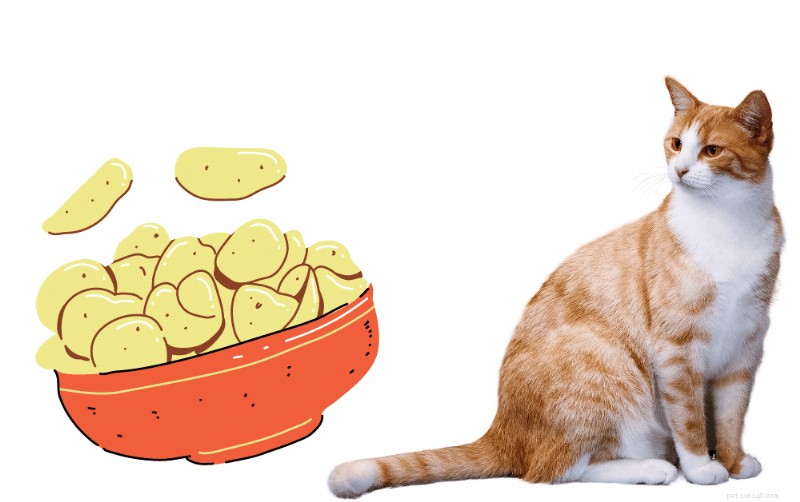
Veggie straws—crispy snacks made from vegetable‑based dough—are popular among humans. Many pet owners wonder if their feline companions can share in the crunch. While a tiny nibble is unlikely to cause immediate harm, the overall nutritional profile of veggie straws does not align with a cat’s dietary needs.
Below is a clear, evidence‑based review of why these snacks are not ideal for cats and what signs to watch for if accidental ingestion occurs.
Can Cats Safely Consume Veggie Straws?
No. Veggie straws lack the essential proteins, fats, and vitamins that obligate carnivores—cats—require for optimal health. Feeding them regularly can lead to nutritional gaps and digestive upset.
Occasional, minimal exposure is unlikely to cause severe problems, but it is best to avoid giving these treats altogether.
For a safe snack alternative, choose fruits and vegetables that are recognized as feline‑friendly, such as small amounts of cooked carrots, pumpkin, or peeled apples.
Why Veggie Straws Pose a Risk to Cats
- Inadequate Nutrients: Made primarily from corn or wheat flour, they provide little protein or essential amino acids.
- Added Sugar and Salt: Excessive intake can disrupt electrolyte balance and promote obesity.
- Potentially Harmful Additives: Ingredients like onions, garlic, or artificial sweeteners are toxic to cats.
- Digestive Incompatibility: Cats have short digestive tracts optimized for meat; plant fibers can cause constipation or diarrhea.
Common Side Effects of Veggie Straws in Cats
When a cat consumes veggie straws, you might notice:
- Vomiting
- Diarrhea
- Weight gain or obesity over time
- Dehydration if fluid intake is insufficient
- Long‑term nutritional deficiencies
What to Do If Your Cat Eats Veggie Straws
Small quantities are generally harmless, but monitor your cat for any of the above symptoms. If you observe vomiting, diarrhea, or lethargy, contact your veterinarian promptly. In cases of excessive ingestion, your vet may recommend monitoring hydration and providing supportive care.
Can Veggie Straws Be Fatal?
While veggie straws are not directly lethal, repeated consumption can lead to serious health issues such as intestinal blockage or severe electrolyte imbalance. The risk varies by individual cat, so prevention is the safest strategy.
How to Prevent Your Cat From Eating Veggie Straws
- Train your cat to avoid the snack area through gentle deterrents.
- Offer approved cat treats instead.
- Store veggie straws in a secure, inaccessible location.
- Provide engaging toys and activities to keep your cat mentally stimulated.
Are Potato Chips Safe for Cats?
Similar to veggie straws, a few potato chips will not immediately poison a cat, but they are high in carbohydrates and fats, which can contribute to obesity and gastrointestinal upset. If your cat does consume chips, ensure ample water is available.
Are Lays Chips Toxic to Cats?
Lays chips contain seasonings and additives that are harmful to cats, including high salt content and potential artificial flavorings. Consumption can lead to vomiting, diarrhea, and in severe cases, liver damage. If your cat ingests Lays chips, seek veterinary care immediately.
Recommended Cat‑Friendly Treats
- Pureed pumpkin or sweet potato
- Cooked, unseasoned chicken or turkey
- Small pieces of ripe banana (in moderation)
- Catnip or cat grass for a natural snack
For more pet nutrition tips, explore our guides on onion toxicity, feline feeding behavior, and travel safety for Bengal cats.
- Pet Behavior
- Pet Breeds
- Pet Names
- Pet Adoption
- Pet Training
- Cat Stories
- Pet Health
- Adorable Pets
- Cats
- Fennec Foxes as Pets: What You Need to Know
- Pet Psychic Kate Sitka Reveals Secrets of Animal Communication
- What to Do When Your Cat Eats Something Harmful: A Quick Guide
- Understanding Pet Jealousy: Signs, Causes, and Effective Responses
- Essential Guide to Dog Health: Breed, Size, and Age-Related Conditions
- Discover the rewarding experience of volunteering as a cat care volunteer with Cats Protection
- Top 3 Dog Pet Insurance Plans to Protect Your Furry Family Member