

Why Does My Cat Drop Food While Eating? 9 Common Causes & Solutions
In 2022, the Serve Cat team received numerous inquiries about feline feeding behaviors, especially the question, Why does my cat drop food while eating?
Our specialists consulted veterinarians, pet nutritionists, and behaviorists to uncover the real reasons behind a cat’s loss of interest in food and the habit of dropping it during meals.
Below, we outline nine potential causes and provide practical steps you can take to help your pet.
Why Does My Cat Drop Food While Eating?
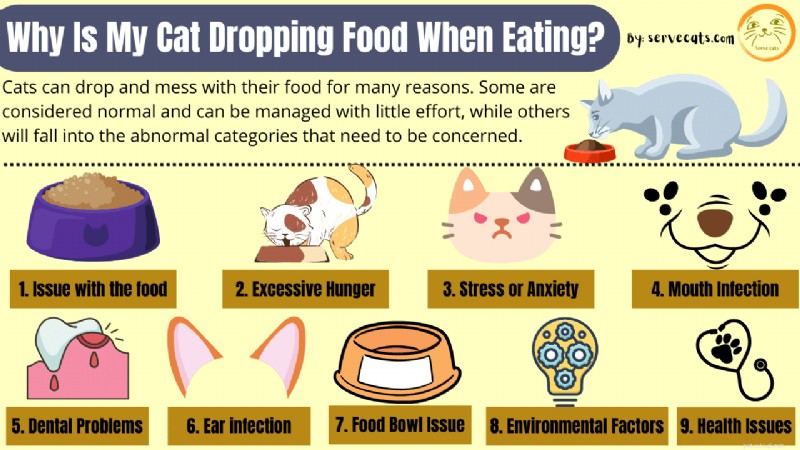
Cats may discard or scatter their food for various reasons. Some are harmless and can be addressed with minor adjustments, while others signal underlying health concerns that warrant veterinary attention.
Here are the most common reasons a cat might drop its food:
1. Unsatisfactory Food
Like humans, cats can be picky eaters. If the food is stale, overly dry, or simply unappealing, a cat will often reject it and drop the portion. Avoid forcing your cat to eat; instead, try a different brand or switch to a higher‑quality wet food and observe its reaction.
2. Rapid Consumption Due to Hunger
When a cat is extremely hungry, it may eat too quickly, causing food to spill. Excessive hunger can stem from stress, excitement, or medical conditions such as hyperthyroidism. If this occurs frequently, schedule smaller, more frequent meals and consult your veterinarian to rule out health issues.
3. Stress or Anxiety
Feline stress manifests in behaviors like decreased appetite, drooling, or dropping food. A calm environment, routine, and positive reinforcement can help reduce anxiety. If symptoms persist, seek professional veterinary guidance.
4. Oral Health Problems (Gingivitis, Infections)
Mouth pain from gingivitis or infections makes chewing painful, leading cats to abandon their meals. Prompt veterinary care is essential to prevent weight loss and malnutrition.
5. Dental Disease
Tooth decay, broken teeth, or gum disease are common in cats and can cause significant discomfort during eating. Regular dental check‑ups and cleanings help maintain oral health and prevent food‑dropping behavior.
6. Ear Infection
Ear infections can indirectly affect feeding by irritating the area around the mouth. A painful ear canal may make chewing difficult. Inspect the ears for redness or discharge and schedule a vet visit if infection is suspected.
7. Inappropriate Food Bowl
Bowl depth and shape influence feeding ease. A too‑shallow bowl forces a cat to lower its head, increasing spill risk, while a too‑deep bowl makes it hard to reach the food. Select a shallow, wide bowl, keep it clean, and watch for preferences.
8. Environmental Distractions
Noise, unfamiliar pets, strangers, or strong odors can unsettle cats, leading to hurried or hesitant eating. Provide a quiet, low‑traffic feeding area and minimize strong smells near the bowl.
9. Serious Health Conditions
Chronic conditions such as kidney disease, pancreatitis, cancer, arthritis, or severe dental disease can reduce appetite. Persistent loss of interest warrants a veterinary examination to identify and treat underlying causes.
Additional Resources:
- 7 Proven Tips to Stop Dog Aggression toward Cats
- How Much Onion Is Toxic to Cats?
Conclusion
Identifying why your cat drops food is the first step to resolving the issue. If the behavior is linked to food preference, consider changing the diet or feeding schedule. If it indicates discomfort or illness, a veterinary visit is essential. For a calm feeding experience, create a quiet environment and minimize distractions.
Have more questions? Leave a comment or contact us directly via our Contact Us page.
- Pet Behavior
- Pet Breeds
- Pet Names
- Pet Adoption
- Pet Training
- Cat Stories
- Pet Health
- Adorable Pets
- Cats
- 7 Key Symptoms of Liver Failure in Dogs: How to Spot the Warning Signs
- Discover the 10 Most Unusual Dog Breeds Around the World
- Canine Babesia Infection: Signs, Causes, Diagnosis & Effective Treatment Guide
- Top 16 Dog Breeds for Seniors: Find Your Ideal Companion
- Understanding and Treating Toe Injuries in Dogs
- Step-by-Step Flea Bath Guide for Your Dog
- Giardia in Dogs: Causes, Symptoms & Effective Treatment Strategies