

Brooklyn Stray 'Daddy-O' Transforms from Neighborhood Legend to Beloved Family Pet
Can a long‑time street cat enjoy a second chance at a domestic life? The true‑tail of Brooklyn’s beloved stray, Daddy‑O, suggests it can. Known for evading traps and outsmarting rivals for extra food, this \“tailless\” feline finally received the help of a dedicated community that facilitated his transition to a permanent home.
At first, neighbors likened Daddy‑O’s fluffy coat and large eyes to a raccoon, especially after nightfall. Despite the resemblance, he is unmistakably a cat—an exceptionally clever one. Over the years he earned the nickname \“the cat everyone knew but no one could trap.\” With coordinated effort, residents safely captured him for neutering and vaccination, then released him back to his block.
One resident, Mary, formed a bond with Daddy‑O. Although many assumed he was feral, Mary noticed he enjoyed being brushed, a sign that he had previously lived with humans. She invited him into her home, and after a period of supervised visits, she formally adopted him. Mary still welcomes neighborhood friends to greet the former legend, illustrating how community care can change a stray’s destiny.
Indoor versus outdoor cats
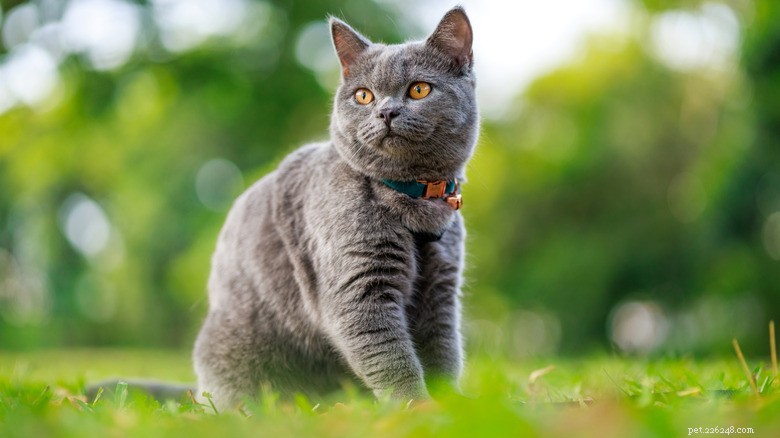
Thai Liang Lim/Getty Images
Daddy‑O’s story highlights the broader debate over indoor versus outdoor cats. While free‑roaming cats can thrive outdoors, indoor cats generally enjoy longer lifespans due to reduced exposure to disease, injury, and traffic. In rural settings, well‑managed outdoor access—paired with regular veterinary care and secure cat shelters—can be appropriate.
It is important to distinguish stray cats from feral cats. Strays are socialized and may adapt to indoor life, whereas feral cats lack human socialization and are typically managed through Trap‑Neuter‑Return (TNR) programs. TNR helps control populations while allowing cats to roam safely, addressing concerns that domestic cats are among the world’s most invasive species.
Outdoor cats also impact wildlife, preying on birds, reptiles, and amphibians. Owners who allow outdoor access should provide ample enrichment—sunlight, climbing structures, and interactive play—to keep their felines healthy and satisfied while minimizing ecological harm.
- Pet Behavior
- Pet Breeds
- Pet Names
- Pet Adoption
- Pet Training
- Cat Stories
- Pet Health
- Adorable Pets
- Cats
- 5 Proven Home Remedies for a Dog’s Upset Stomach
- Train Your Dog for Long-Distance Running: Proven Steps for a Healthy, Strong Running Partner
- What Causes Black Flecks on Your Cat’s Chin and How to Treat Them
- Australia’s Capital City Dog‑Friendly Cafés: Your Ultimate Guide
- 10 Best Pet-Friendly Gecko Species
- Fostering a Cat with Health Challenges: Is It Right for You?
- When Do Cats Begin Shedding? Understanding Age and Causes