

Do Cats Experience Guilt? Unpacking the Myth Behind Pet Behavior
Have you ever scolded your cat or dog for something naughty and then wondered if your pet actually felt guilt or shame due to her bad behavior? While you may think you can catch a glimpse of remorse in your cat's eyes or spy something in her body language that says "I'm SO sorry," pinning these feelings to your feline's temperament is pretty much wishful thinking.
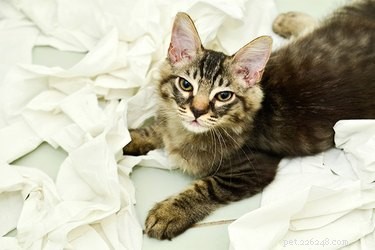
Indeed, your cat isn't linking her misdirected litter box attempts with your reaction because animals are wired to live only for the present moment. They react emotionally to things that are happening to them right now and only do what they think is best in real time, whereas guilt is a product of shameful actions that one did in the past. Cats pee to relieve themselves and scratch to sharpen their claws, not to upset their owner. However, just because a guilty cat doesn't really exist, this doesn't mean that felines feel no emotions at all.
For instance, a cat may display her current depression by tearing apart your favorite suede jacket — not as a direct result of some particular incident that occurred in the past. When a cat purrs nonstop while curling up on your lap or eating some tuna, then at that very moment, you have a happy cat and for good reason. However, if she's lurking around corners, she may be feeling a bit nervous about something that's stressing her at that time (perhaps a storm outside). An angry cat will act quite differently by thrashing her tail back and forth or by sending a guttural growl to the present source of her anger.
Avoid scolding your guilty cat
As mad as you may feel, yelling and — even worse — physical punishment accomplishes exactly zero results and should never be used as a learning tool with a cat or dog. If your cat eliminates on the carpet and you scold him, he may know you're angry about his actions, but he won't connect that anger to his using the carpet as his toilet. For whatever reason, he thought that pooping on the carpet rather than in his box was the best alternative at the time. The better way is positive reinforcement training, which means using a cue or sound as well as a tasty treat when your pet behaves correctly.
Focus on gentle distraction
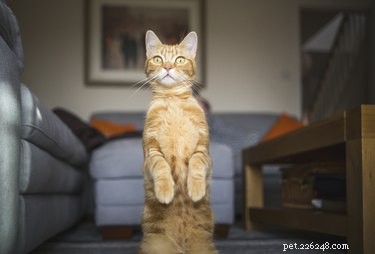
Rather than raising your voice, try squirting a tiny bit of water on your cat (not in her face, though) in order to end harmful behavior. Try gently pushing away a cat that's trying to get a taste of your ice cream cone. You could also cover the furniture you don't want your cat to scratch or create an unpleasant noise (like rattling some coins in a can) to startle her whenever she's poised to claw something.
If these deterrents don't work, you can simply ignore your cat. This can be an efficient strategy because cats hate being ignored. At the same time, be sure to give your cat plenty of praise and treats whenever she does something of which you approve.
- Pet Behavior
- Pet Breeds
- Pet Names
- Pet Adoption
- Pet Training
- Cat Stories
- Pet Health
- Adorable Pets
- Cats
- How to Capture Your Cat’s Attention: Proven Tips for Feline Bonding
- Understanding Cat Hearing: How Their Ears Work and What They Perceive
- Can Cats Experience Love? Exploring Feline Emotions
- Expert Guide to Petting Your Cat: Proven Tips for a Happy, Healthy Bond
- Vinegar: A Natural, Humane Cat Repellent Solution
- Why Cats Hiss: Decoding Their Defensive Body Language
- 9 Clear Indicators Your Cat Is Feeling Insecure