

How Cats Sleep: 9 Expert Tips for Their Comfort and Well‑Being

In this article, you will find satisfactory answers to the question: How do cats sleep?
Many cat owners I know are bothered about how their cats sleep. We have discussed the topic several times and generated ideas. I have shared those ideas here.
By the time you are done reading this article, you will better understand how your cat sleeps and possibly improve on it.
If you are ready, let’s get started!
How Do Cats Sleep
#1 – Sleeping Habits
The first thing we’ll be looking at is the sleeping habit of cats.
Cats are predators and as such, they are wired to hunt at night. They are most active between dusk and dawn. And it doesn’t matter how domesticated your cat is, she must yield to nature.
Based on this need for energy at night, cats tend to rest/sleep more during the day to conserve strength.
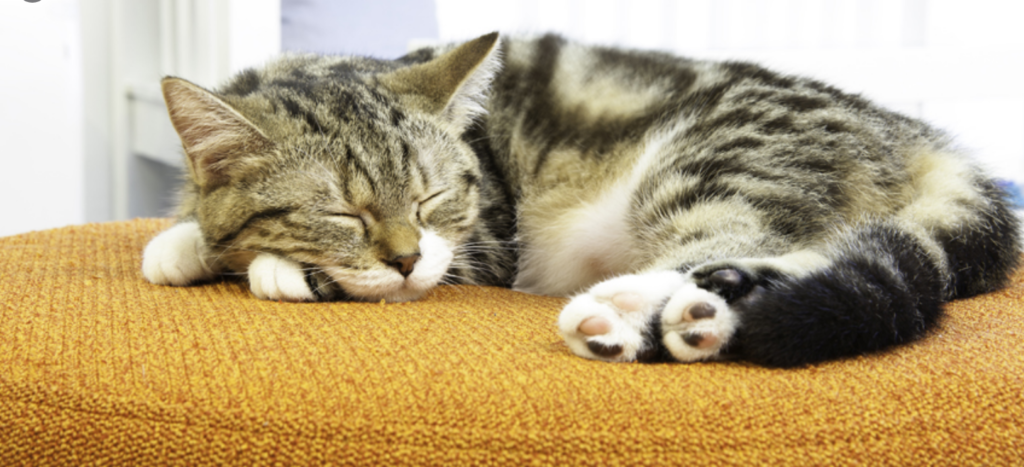
On average, cats sleep for 15 hours a day. And this comes with snoozing for up to 20 hours per 24-hour period. Cats prefer long and short naps during the day as compared to a huge slumber at night.
Also, cats fall asleep quickly especially after a large burst of energy. First, they fall into a slow-wave sleep and then transcend to REM sleep. At this point, you may notice their whiskers, paws, and tails twitch.
It may also interest you to know that these species are not blacked out when they lie asleep.
Their senses of smell and hearing among others are still very sharp. That way, they can easily spring up when they sense danger or a delicious meal.
Little wonder why they take vantage positions while sleeping like sitting up. Thus, their muscles stiffen to keep them upright. They also sleep curled up or stretched out.
Furthermore, cats tend to sleep more in cold, grey, or rainy weather.
These sleep habits notwithstanding, your cat will most times be available for bond time with you even during the day. She values you, you know (*winks).
#2 – Length Of Sleep
On a second note, we are looking at how long cats sleep. You must have noticed that your cats sleep for many hours. And I’m pretty sure you wish you could do the same sometimes (LOL).
As mentioned, cats sleep for 15 hours on average daily. But why do they sleep that long?
Let’s see…
Though your cat eats the commercial/high-premium foods you offer her, she still has the impulse of staying up at night to hunt her food.
Coupled with the fact that cats are not just predators but also preys; they need to be alert to fight off danger.
Thus, they sleep long in the day when all is calm and safe to conserve energy for the night. The energy needed to hunt and also to stay safe.
So, when you hear your pet running around the house at night, don’t be perturbed. It’s only natural for her.
#3 – Catnap
You are probably familiar with the term, catnap. It refers to the attitude of a cat to doze off and still be alert.
A cat can doze for brief moments, say 5 to 30 minutes. All the while, she is alert to predators or prey.
These furballs just love their comfort and security. And that’s why your cat can fall asleep sitting up.
#4 – When Your Cat Is Not Sleeping
So far, we have established that cats love to sleep and they sleep for long.
When you notice that your cat is not getting ample sleep then something is wrong somewhere.
She is not catnapping and you have not seen her take sudden rounds of prolonged sleep. At this point, you should inform your vet.
Furthermore, you should also engage your cat to play and exercise when she is not sleeping.
That is, when you are certain that all is well with your cat, encourage her to expend energy during the hours she is wide awake.
Playing fetch or giving her laser toys is not a bad idea. A durable scratching post will make a good investment as well. Taking her for a walk is nice too.
While you are at it, consider that your cat is more active in the evening and make use of those hours.
And you know, keeping your cat active during evening hours means she will be exhausted by nighttime and snooze off. So, you both will get a good night sleep.
Great, huh?
#5 – Sleeping In Your Bed
Wondering whether your cat can lie in your bed?
The answer is yes. She will provide you with some warmth and comfort. Research also shows that having a cat by your side when you sleep can help relieve your anxiety.
Nevertheless, you should also beware of some downsides of having a cat in your bed like:
- Cat allergies e.g. being allergic to cat dander means your cat can’t sleep by your side
- Sleep disruptive activities of cat – since your cat is crepuscular, she may unintentionally wake you at intervals thereby disturbing your sleep-wake pattern
- Transmission of communicable conditions eg fleas and ringworm (when these conditions are treated then it is okay for her to sleep in your bed)
- Your cat may bite your feet while moving around the covers
Say you have another pet that you enjoy sharing your bed with, a jealous cat will have a problem with that and create chaos in the bedroom.
Adding to that, letting your cat sleep with you can create a sense of dominance such that the cat will not allow another human to sleep with you easily. Quite sad!
Moreover, leaving your infant with your cat for the night could lead to accidents like suffocation, painful bites, trampling, or disease transmission.
Therefore, you have to keep your cat away from the nursery. If you are having a hard time doing this, please consult your vet.
#6 – Where Can Your New Kitten Sleep?
For a new kitten, it is advisable to provide her a comfortable basket, box, bed to sleep in. Fill it with blankets and add a hot water bottle if possible. This will provide all the warmth needed for a nice rest.
By the time your kitten gets accustomed to his new home, he will most likely find a preferred sleep spot.
Note: if there are older cats in the house, place the new kitten’s bed in a different location where she can withdraw and enjoy some personal time.
This will help prevent territorial battles. With time all the cats will become friends and wouldn’t even mind sleeping together.
#7 – Sleep Problems
Just like humans, cats do have sleep problems including:
- Apnea – breathing repeatedly stops and starts while sleeping
- Narcolepsy – overwhelmingly drowsy during the day and difficulty staying awake for long
- Insomnia – hard time falling or staying asleep
Whenever you notice any of these problems in your cat, take her to your vet to quickly rule out the chances of any illness.
Additionally, conditions like Anaemia, depression, gastrointestinal problems, or pain can make your cat fatigued or sleepless.
Therefore, do not hesitate to let your vet know when you observe a disruption in your kitty’s sleep pattern (whether more or less sleep).
#8 – The Age Factor
Apart from its hunting nature, the age of a cat can also affect its sleep pattern
For instance, a Kitten will sleep for most of the day, but teenage cats sleep for lesser hours and are more active.
Senior cats have reduced activity levels and retire earlier. They snooze more often and for longer periods when compared to adult cats.
#9 – Sleeping On You
This is another sleep behaviour that amazes cat owners.
When you find your cat sleeping on your chest or lap, there is no cause for alarm.
Rather, it signifies that your cat loves and trusts you. They feel safe with you and consider you a comfortable spot (LOL). It could also be that she simply wants to keep you warm.
Stop wondering why your cat has left her cosy bed and enjoy the company.
ConclusionNow you can see why it is difficult to force your cat to sleep when you want her to. She sleeps as her body and mind dictate.
We have now come to the end of our discussion on “how do cats sleep.” I hope you enjoyed the read. Feel free to share this article with friends!
Have any questions or thoughts on the subject? Let’s have them in the comments section right now.
- Pet Behavior
- Pet Breeds
- Pet Names
- Pet Adoption
- Pet Training
- Cat Stories
- Pet Health
- Adorable Pets
- Cats
- Expert Guide to Petting Your Cat: Proven Tips for a Happy, Healthy Bond
- Effective Cat Training: A Practical Guide for Pet Owners
- Expert Guide: Successfully Socializing Your Adult Cat
- 10 Expert Tips to Stop Cat Aggression Before It Begins
- How Cats Learn: Insights from Dr. Sarah Ellis (Part 1)
- Calming Your Cat: Proven Tips & Expert Advice
- How Long Do Cats Sleep? Understanding Feline Rest Patterns