

Cat Toilet Training Made Easy: Benefits, Challenges & Step‑by‑Step Success
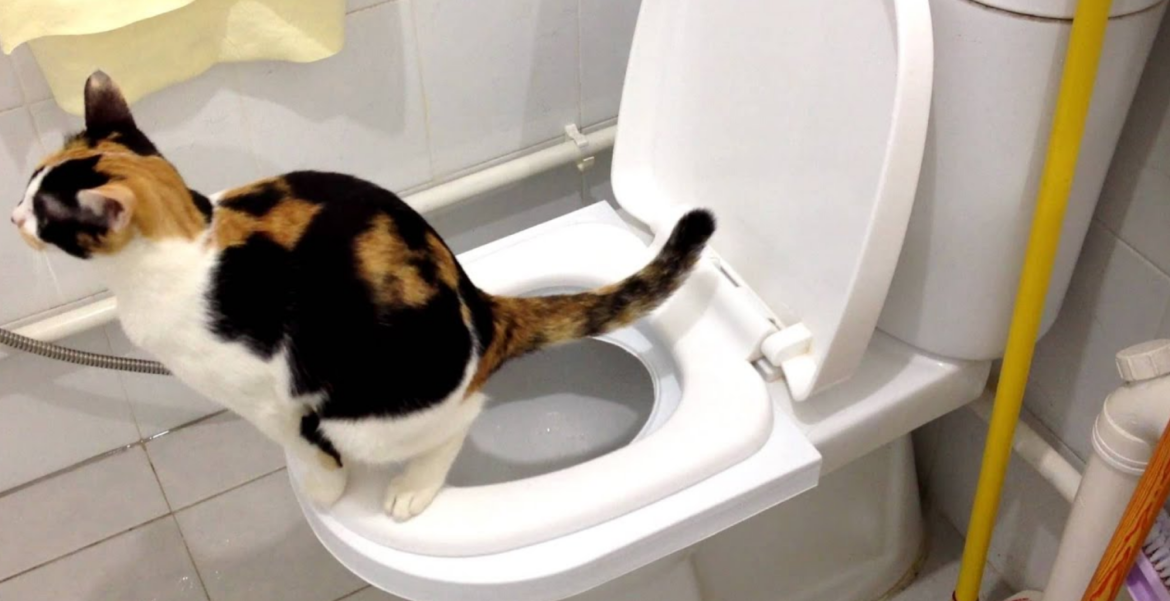
No pet owner wants a messy house neither does any good animal parent want to go through the stress of cleaning up after his animal all the time.
It is important to teach your pets right from infant stage how to be neat and how to do somethings by themselves even in your absence.
Toilet training is one of those independent things you teach your animal to do as a pet parent. This is to avoid so much work on your part and to also teach the animal some sense of good behaviour.
Today, we would be enlightening ourselves on this topic. We would get to know all there is to know about toilet training a cat, its importance, benefits and more.
In this post, you will learn
- What is Toilet Training?
- Importance of toilet training your cat.
- How to toilet train your cat.
- How to go about it.
- Cats that can be toilet trained.
- Merits of toilet training your cat.
- Demerits
Let’s dig into it!
What is Toilet Training?
Toilet training is the art of teaching your pet how to make use of its designated toilet area to get rid of excreta and urine. It is a training that teaches the animal where and when to defecate or urinate to avoid it messing up the house or possibly excreting in its own eating space.
Also, toilet training involves helping your cat get used to using the toilet frequently. This is a means that eliminates cat litter and urine around the house.
Training your cat to use the main water system toilet would teach it to stop using its potty or litter box and this would also help stop your frequent cleaning of the litter box.
Now you know what it means to toilet train, let us see the reasons why you should toilet train your cat.
Importance of toilet training your cat.
There are many reasons why you should toilet train your cat. It is actually beneficial to both you and your cat.
The first importance of toilet training your cat is to reduce your contact with your cat’s excreta. This simply means that when your cat is still using a litter box or potty, you have to clean it out daily and the possibility of touching the waste products is very high.
So, to reduce such instances, you might want to consider teaching your cat how to use a toilet that is easier to cleanout. This is usually a big challenge for most pet owners because no one enjoys touching excreta accidentally or intentionally.
Another importance of toilet training your cat is to help stop your cat from messing up your house. Some cats have not been trained to pass out waste products in the right places and as such they tend to excrete anywhere they are comfortable especially once they want to urinate. You just realize a horrible smell oozing out from under the table.
This is because they haven’t been trained in that aspect. Toilet training them would only help keep your house neat and rid of any smell.
Third importance why your cat should be toilet trained is because it saves you money. Most cats are trained to use litter boxes and research shows that litter costs a little more than water and water are quite accessible. It is easier to get water than to get litter. Water is also flushable while litter is disposable.
Again, it is a form of discipline. For example, if your cat is used to defecating in the open or in the bush and you travel with it to a place where there are only water closet toilets, it would end up messing itself up and messing the house too. So, training it to use a water system toilet disciplines it to get ready for situations like that.
It reduces any risks of you getting any infections. If your kitty uses a potty, you have to clean it regularly. By doing so, you stand high risks of getting infections or diseases associated with cat excreta. To save yourself and your household from that, you should teach your kitty how to use a toilet, to avoid such.
Also, research also shows that some kinds of litters pose harm to the cat. The cat is at higher risk of getting some respiratory issues while using litter than while using water. This is a debatable issue why you should consider toilet training your cat.
Let us get to know how to do the main job.
How to toilet train your cat.
I think I should start with the basic training which is the litter box training, otherwise known as the potty training.
This training is the most common type given to cats right from their infant stage. It is more comfortable for kittens because they cannot climb to certain heights. The easy steps include:
• Get a comfortable litter box that suits your cat.
• Fill it with litters that are suitable for your environment.
• Set the litter box in the part of the house where you want it. i.e. a place where you want it to do the business, preferably close to the toilet.
• Arrange a training time table.
• Use the training time table to make it get used to the potty. You can try immediately after naps, a few minutes after food or once you notice it is drowsy.
• Most times, the cat might not move to the potty itself, so you have to place it there yourself till it gets used to it.
• Do well to clean out the litter box immediately after so your cat can be interested in going back thee. Not cleaning it can lead to your cat’s disinterest in using it and can make it source other means.
• After every training session, reward it with a Treat. It will increase its interest to come back.
Now to the main toilet training.
How to go about it.
After the litter box stage, you might want to migrate to the toilet training stage depending on you and your cat. You should note if it would be favourable for your cat or not before you go into it. For the cats that it would work for, this is how to train them.
• Move your cat’s litter box close to the toilet.
• Be sure it is the same litter box your cat is used to so that it can be interested in going there.
• Be wise while doing this because if your cat notices a change in its litter box position, it might not go there again. You can just inter-switch the places.
• Next, move on to gently increase the height of your cat’s litter box. Stage by stage, increase the height so it can meet up with the toilet height.
• Make sure to support the litter box as you do this so the weight can be balanced.
• Then, start moving it close to the toilet seat till it is close enough for you to put on the seat directly.
• Keep reducing the litter box layers while it is on the toilet till it is left with just one layer.
• Then you replace it with a training kit that can hold your cat’s weight.
• Same way, follow the kit’s instructions and gradually reduce the layers till nothing is left.
• Make sure the training kit has flushable litters.
• By the end of this frequent exercise, you’ll notice your cat getting used to using the toilet like that.
• Don’t forget to reward it with Treats every time it uses the toilet.
Note: If your cat is scared of water, you can add some flushable litter to the water, so the smell can attract it.
Cats that can be toilet trained.
As much as most pet owners want their cats to be toilet trained, not all cats can go through that stage. Before you toilet trains your cats, make sure they fall into this category.
-
Cats above six months.
You don’t want your kittens falling into the water system, do you? I’m sure we can all agree that toilet training is not for cats below six months. Make sure your cat is up to six months and above before you try out this system.
-
Strong and healthy cats.
Even if your cat is above six months, make sure it is strong and healthy enough to stand on a toilet seat. Sometimes, the toilet seat might be slippery for their paws, so make sure that the cat you are training can stand the slippery nature of the seat or even if it slips, it can bounce back. Don’t try training faint-hearted cats to avoid accidents.
-
Adventurous Cats
Some cats are naturally adventurous. They love to explore new things and places. If you notice your cat is that kind, you can try toilet training it. The possibilities that it would learn fast is quite high.
-
Cats that have no medical setbacks.
Don’t try toilet training cats that are not medically fit. Cats with arthritis, deformations or constant bone pains should just stick to litter box use because it would be very uncomfortable for them to climb or sit on the toilet seat. Old cats also fall into this category. They are too fragile to use the toilet.
Cat breeds that can be easily toilet trained include American shorthair, Siamese cats, Abyssinian, Bengal and Savannah.
Merits of toilet training your cat.
As much as toilet training cannot work for all cats, it has its own advantages too. Some of them are outlined below.
• It helps your cat adapt to civilized areas. You might be in an environment where you use your cat’s litter box and there is a toilet there if your cat is toilet trained, it is just perfect for it. No need to carry it about looking for where to make it poo.
• It gives your cat some form of discipline.
• It eliminates unwanted poop and urine from your house floor and environment.
• You get rid of the litter box.
• Using a toilet is more economical. You save money because you are not buying litters or changing litter boxes from time to time.
• Cleaning up the mess would no longer be an issue. All you have to do is flush.
• Your house will no longer be littered with litters. Your cat would not be trailing litter from its box around the house.
• You can train your cats at your own pace using whatever method works for it. This also creates a bond between you two.
• This training reduces the health risks attached to using a litter box. Your cat is safer this way.
Demerits
• It does not work for all cats especially old cats and kittens.
• Using the toilet would not allow you to notice changes in their excreta to know when there is an ongoing ailment in their system.
• There are chances of your cat slipping and falling from the toilet seat.
• Standing on the seat can cause joint and muscle pains to your kitty.
• It is quite a stressful process to go through with. You must be dedicated to finishing it.
• It is not healthy to share the toilet with the household and cats. The humans are at risk of contacting cat-related diseases.
• If your cat notices the seat or door is closed, it might not be patient enough to wait and might mess the house up.
Do well to check out the merits and demerits before making your decision.
Simple toilet training tricks.
• Keep the litter box in the toilet more often.
• Use flushable litter inside the water to attract it and to avoid blocking your system.
• Have a training schedule.
• Reward with Treats after each session.
Conclusion
This training is not exactly an easy one but the stress is worth the result in the end. After going through all these, you would realize that if your cat can learn it well, you will be free from a lot.
It is the best way to keep your house excreta-free.
Kindly share your thoughts with me in the comment section and don’t forget to share this article with your loved ones.
- Pet Behavior
- Pet Breeds
- Pet Names
- Pet Adoption
- Pet Training
- Cat Stories
- Pet Health
- Adorable Pets
- Cats
- Teach Your Cat to Shake Hands: A Proven Step‑by‑Step Guide
- Toilet Training Your Cat: A Step‑by‑Step Guide for Clean, Odor‑Free Homes
- Step-by-Step Guide to Successfully Toilet Train Your Cat
- Master Clicker Training for Your Cat: A Step-by-Step Guide
- Step‑by‑Step Guide: Teaching Your Cat to Walk Confidently on a Leash
- Teach Your Cat to Fetch: A Step‑by‑Step Guide
- Guide to Teaching Your Rescue Cat to Use a Cat Flap Safely