

Colorado’s Diverse Herpetofauna: 25 Snake Species in the Centennial State
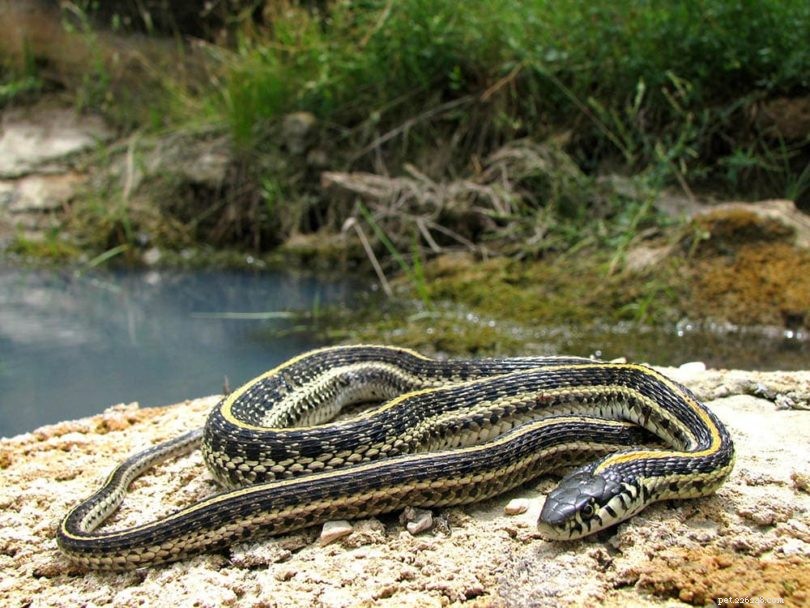
With bullsnakes, garter, and water snakes, as well as three species of rattler, Colorado is home to some 30 or more species. Although some people are afraid of them, snakes make up an invaluable part of our ecosystems, controlling the numbers of insects, some predatory animals, and even one another.
Below are the various species of snakes found in Colorado, but remember that animals don’t necessarily abide by state lines and borders, so some species may be introduced while others leave the area.
25 Snakes Found in Colorado
Venomous Snakes In Colorado
1. Prairie Rattlesnake
| Species: | Crotalus viridis |
| Longevity: | 16-20 years |
| Good to own as a pet?: | No |
| Legal to own?: | No |
| Adult size: | 35-45 inches |
| Diet: | Carnivorous |
The Prairie Rattlesnake is one of three species of rattlesnake, which make up the population of venomous snakes in Colorado. They eat rodents and have very potent venom, although they rarely kill humans because they are too small to deliver a fatal dose.
2. Western Massasauga
| Species: | Sistrurus catenatus |
| Longevity: | 15-20 years |
| Good to own as a pet?: | No |
| Legal to own?: | No |
| Adult size: | 13-26 inches |
| Diet: | Carnivorous |
The Western Massasauga is a pit viper. As well as smaller snakes and amphibians, it feeds on small mammals and rodents. Although its camouflage coloring means that it hides in the grass and is not spotted until too late, its size means that it will not usually deliver a fatal strike to humans.
3. Midget Faded Rattlesnake
| Species: | Crotalus oreganus concolor |
| Longevity: | 15-20 years |
| Good to own as a pet?: | No |
| Legal to own?: | No |
| Adult size: | 20-30 inches |
| Diet: | Carnivorous |
The Midget Faded Rattlesnake is considered a small breed of rattler. It has one of the most potent venoms in the USA, although its size restricts the amount of venom delivered. The species is considered in need of protection and it is prohibited to own venomous snakes in Colorado unless you have an appropriate permit.
Water Snakes In Colorado
4. Northern Water Snakes
| Species: | Nerodia sipedon |
| Longevity: | 6-9 years |
| Good to own as a pet?: | Yes |
| Legal to own?: | Yes |
| Adult size: | 35-55 inches |
| Diet: | Carnivorous |
The Northern Water Snake can be kept as a pet. Its bite is non-venomous, although it may still sink its fangs in if it gets stressed or scared. Watersnake care is quite simple. They live in cooler temperatures so do not require heat lamps and basking lamps.
Garter Snakes In Colorado
5. Blackneck Garter Snake
| Species: | Thamnophis cyrtopsis |
| Longevity: | 4-10 years |
| Good to own as a pet?: | Yes |
| Legal to own?: | Yes |
| Adult size: | 25-45 inches |
| Diet: | Carnivorous |
The Blackneck Garter Snake eats fish, amphibians, and invertebrates. This is a shy snake that hides from humans and may be difficult to spot, but makes a good pet because it is active during the day.
6. Common Garter Snake
| Species: | Thamnophis sirtalis |
| Longevity: | 4-10 years |
| Good to own as a pet?: | Yes |
| Legal to own?: | Yes |
| Adult size: | 25-45 inches |
| Diet: | Carnivorous |
Common Garter Snakes, like all species of garter, only require a small tank in which to live. They can also survive with ambient lighting, although good quality lighting enables you to better see your snake in its habitat.
7. Plains Garter Snake
| Species: | Thamnophis radix |
| Longevity: | 4-10 years |
| Good to own as a pet?: | Yes |
| Legal to own?: | Yes |
| Adult size: | 16-28 inches |
| Diet: | Carnivorous |
The Plains Garter Snake is an attractive garter that typically has a yellow or orange stripe down its side. In the wild, it is usually found alongside a body of water such as a stream or lake.
8. Western Terrestrial Garter Snake
| Species: | Thamnophis elegans |
| Longevity: | 4-12 years |
| Good to own as a pet?: | Yes |
| Legal to own?: | Yes |
| Adult size: | 24-42 inches |
| Diet: | Carnivorous |
The Western Terrestrial Garter Snake is considered venomous but it cannot do any harm to humans. Like most snakes, the Western Terrestrial has a longer lifespan when in captivity, around 10 years, compared to in the wild, because there are fewer threats.
Others
9. Blind Snake
| Species: | Leptotyphlops dulcis |
| Longevity: | |
| Good to own as a pet?: | Yes |
| Legal to own?: | Yes |
| Adult size: | 6-12 inches |
| Diet: | Carnivorous |
The Blind Snake is the smallest species in the US and is often mistaken for an earthworm. Although it does have eyes, the snake lives in burrows and termite holes so it has very poor eyesight. It has adapted to survive with less oxygen, too.
10. Bullsnake
| Species: | Pituophis catenifer sayi |
| Longevity: | 12-30 years |
| Good to own as a pet?: | Yes |
| Legal to own?: | Yes |
| Adult size: | 50-90 inches |
| Diet: | Carnivorous |
The Bullsnake makes a very good pet, especially if it was born in captivity. But they can bite and will usually do so when they feel threatened or alarmed. Their attitude means that they are not suited to novice owners.
11. Central Plains Milksnake
| Species: | Lampropeltis triangulum gentilis |
| Longevity: | 10-22 years |
| Good to own as a pet?: | Yes |
| Legal to own?: | Yes |
| Adult size: | 25-35 inches |
| Diet: | Carnivorous |
The Central Plains Milksnake offers a good compromise to would-be herp keepers. They do not require huge tanks but are big enough to be comfortably and enjoyably handled. The species is very good at hiding, whether in the wild or in its tank.
12. Coachwhip
| Species: | Coluber flagellum |
| Longevity: | 10-16 years |
| Good to own as a pet?: | Maybe |
| Legal to own?: | Yes |
| Adult size: | 50-80 inches |
| Diet: | Carnivorous |
The Coachwhip is non-venomous but is one of the biggest species in North America. It eats bats and mice and, somewhat unusually for a snake, it is diurnal, even spending time outside during the hottest hours of the day.
13. Common Kingsnake
| Species: | Lampropeltis getula holbrooki |
| Longevity: | 20-30 years |
| Good to own as a pet?: | Yes |
| Legal to own?: | Yes |
| Adult size: | 25-50 inches |
| Diet: | Carnivorous |
The Common Kingsnake is considered an excellent pet thanks to its striking looks and docile nature. The Kingsnake is nocturnal during the summer and diurnal at winter. It eats snakes, lizards, rodents, and small mammals.
Related Read: 17 Snakes Found in Utah
14. Glossy Snake
| Species: | Arizona elegans |
| Longevity: | 15-25 years |
| Good to own as a pet?: | Yes |
| Legal to own?: | Yes |
| Adult size: | 30-45 inches |
| Diet: | Carnivorous |
Considered ideal as a pet, the Glossy Snake eats lizards and rodents, is an attractive-looking snake, and typically lives in the grasslands of Colorado. In the wild, they primarily eat lizards and other reptiles.
15. Great Basin Gopher Snake
| Species: | Pituophis catenifer deserticola |
| Longevity: | 5-10 years |
| Good to own as a pet?: | Yes |
| Legal to own?: | Yes |
| Adult size: | 30-50 inches |
| Diet: | Carnivorous |
The Great Basin Gopher Snake is an agile snake that can swim, dig, and climb. They put on quite a defensive display when threatened, copying the rattle of a rattlesnake. They eat reptiles, small mammals, and some eggs.
16. Great Plains Rat Snake
| Species: | Pantherophis emoryi |
| Longevity: | 15-20 years |
| Good to own as a pet?: | Yes |
| Legal to own?: | Yes |
| Adult size: | 40-60 inches |
| Diet: | Carnivorous |
The Great Plains Rat Snake is a nocturnal constrictor that primarily eats rats that like to live near a water source. They climb and can sometimes be seen crossing roads while on the hunt. They may be found in grasslands, forests, but also on ranches and farmland and are kept as pets.
17. Ground Snake
| Species: | Sonora semiannulata |
| Longevity: | 20-30 years |
| Good to own as a pet?: | Yes |
| Legal to own?: | Yes |
| Adult size: | 8-20 inches |
| Diet: | Carnivorous |
The Ground Snake eats insects, spiders, and even scorpions. It lives in grasslands with a soil substrate and has an attractive banded pattern. Its harmless nature and its bright colors do make it a popular choice with herp enthusiasts.
18. Lined Snake
| Species: | Tropidoclonium lineatum |
| Longevity: | 10-20 years |
| Good to own as a pet?: | Yes |
| Legal to own?: | Yes |
| Adult size: | 10-18 inches |
| Diet: | Carnivorous |
This harmless species lives under rocks and is sometimes mistaken for a garter snake because of its pattern and build. It eats worms and lives in prairies and it is considered endangered or under threat of extinction.
19. Longnose Snake
| Species: | Rhinocheilus lecontei |
| Longevity: | 12-20 years |
| Good to own as a pet?: | No |
| Legal to own?: | Yes |
| Adult size: | 20-34 inches |
| Diet: | Carnivorous |
In the wild, the Longnose Snake lives in open areas or under rocks. It eats some smaller snakes but primarily lives on rodents and small lizards. As a pet, the Longnose Snake is considered a difficult snake because they are difficult to keep happy and they are skilled escapologists.
20. Night Snake
| Species: | Hypsiglena torquata janii |
| Longevity: | 10-15 years |
| Good to own as a pet?: | No |
| Legal to own?: | Yes |
| Adult size: | 10-16 inches |
| Diet: | Carnivorous |
Night Snakes are found in Colorado’s grasslands and prairies. They primarily eat small lizards and some small snakes. This, along with the fact that the species is nocturnal and not as attractive as some other species, means that they are not popular as a pet snake species.
21. Plains Blackhead Snake
| Species: | Tantilla nigriceps |
| Longevity: | 10-20 years |
| Good to own as a pet?: | No |
| Legal to own?: | Yes |
| Adult size: | 10-14 inches |
| Diet: | Carnivorous |
The Plains Blackhead Snake is rear-fanged, which means that it is venomous. In the case of this species, however, the venom is used only to subdue prey, which is usually centipedes and its venom poses no threat to humans. It is secretive, however, and hides under rocks, so is not commonly kept as a pet.
22. Ringneck Snake
| Species: | Diadophis punctatus |
| Longevity: | 15-20 years |
| Good to own as a pet?: | Yes |
| Legal to own?: | Yes |
| Adult size: | 10-17 inches |
| Diet: | Carnivorous |
The Ringneck Snake eats bugs like slugs. They also eat frogs and some small snakes. They can constrict, cannot bite a human, and they have an attractive yellow to red underbelly which means that they are sometimes kept as pets.
23. Smooth Green Snake
| Species: | Opheodrys vernalis |
| Longevity: | 2-6 years |
| Good to own as a pet?: | No |
| Legal to own?: | Yes |
| Adult size: | 14-20 inches |
| Diet: | Carnivorous |
The Smooth Green Snake lives in grassy areas, usually around a water source. They can climb into small bushes to catch prey, which consists of invertebrates and insects. Despite thriving on an insect diet, they are not the best pet because they do not tolerate handling and may attempt to strike.
24. Western Hognose
| Species: | Heteredon nasicus |
| Longevity: | 10-20 years |
| Good to own as a pet?: | Yes |
| Legal to own?: | Yes |
| Adult size: | 20-36 inches |
| Diet: | Carnivorous |
The Western Hognose is an opportunistic hunter and although it prefers amphibians like frogs and toads, it will also eat rodents when necessary. This species stays a reasonable size, is not usually aggressive, and will tolerate some handling, making them a great choice of snake as a pet.
25. Yellow-Bellied Racer
| Species: | C. sculpturatus |
| Longevity: | 5-10 years |
| Good to own as a pet?: | No |
| Legal to own?: | Yes |
| Adult size: | 24-42 inches |
| Diet: | Carnivorous |
The Yellow-Bellied Racer is medium-sized snake known for its agility. It lives in wet areas such as moshes and bogs and can also be found around ponds. It eats worms, amphibians, and small rodents, but because it does not tolerate handling and will not become used to being held, it is not considered a good pet.
Next on your reading list: 10 Snakes Found in Arizona
Conclusion
Colorado is home to more than two dozen snake species, including three rattlesnake species and a water snake. There are some species considered to make good pets with others that do not fare well when kept in captivity. It is always best to keep captive-bred snakes, especially if you are unsure of the species or how it reacts to being handled, and it is illegal to keep venomous snakes like rattlesnakes unless you have a proper permit.
You may also be interested in: 10 Snakes Found in Arizona
- 33 Common Texas Snakes – Expert Guide & Photos
- Top 15 Snake Species in Maryland: From Timber Rattlesnakes to Copperheads
- 28 Native Iowa Snakes – Complete Guide with Photos
- Meet Colorado’s 11 Native Lizard Species
- Top 10 Snakes You Can Spot in Arizona
- 12 Common Alabama Snakes You Should Know About
- 44 Oklahoma Snake Species: Venomous & Non‑Venomous Guide with Photos