

44 Oklahoma Snake Species: Venomous & Non‑Venomous Guide with Photos
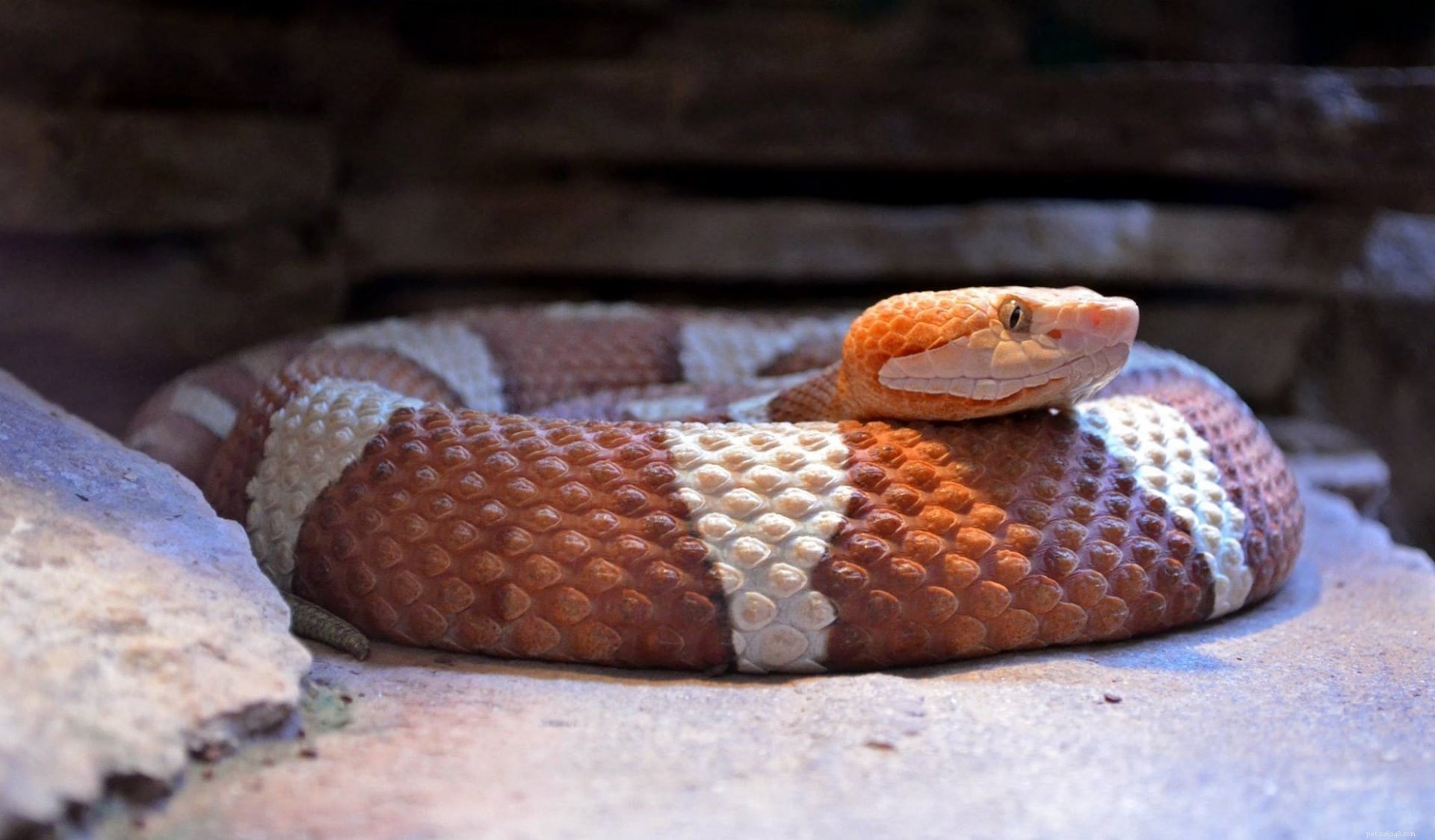
The Sooner State is no stranger to snakes. There are a wide variety of venomous and non-venomous snakes within the state, including five different species of rattlesnake.
We’ve compiled a list below to make you more familiar with the snake species that call Oklahoma their home. We’ll touch base on lifespan, size, preferred prey, and much more.
44 Snakes Found in Oklahoma
Venomous Species
1. Copperhead
| Species: | Agkistrodon contortrix, Agkistrodon laticinctus |
| Longevity: | 15-20 years |
| Good to own as a pet?: | No |
| Legal to own?: | Yes, with a permit |
| Adult size: | 22-36 inches |
| Diet: | Small rodents, lizards, frogs, insects |
Found in woodland and rocky areas near bodies of freshwater, the venomous Copperhead has a pattern and coloration that allows them to blend well in its leafy habitat.
2. Northern Cottonmouth
| Species: | Agkistrodon piscivorus |
| Longevity: | 8-15 years |
| Good to own as a pet?: | No |
| Legal to own?: | Yes |
| Adult size: | 20-42 inches |
| Diet: | Fish, amphibians, birds |
The venomous cottonmouth, also known as the water moccasin, is known for opening their mouths in a defensive posture and displaying the white cotton-like coloration inside.
3. Timber Rattlesnake
| Species: | Crotalus horridus |
| Longevity: | 10-20 years |
| Good to own as a pet?: | No |
| Legal to own?: | Yes, with a permit |
| Adult size: | 35-54 inches |
| Diet: | Rodents |
This striking species of rattlesnake is also referred to as a “velvet tail” because of the black velvety coloration on the tail. This species is commonly found in southeastern Oklahoma.
4. Western Diamond-Baked Rattlesnake
| Species: | Crotalus atrox |
| Longevity: | 15-20 years |
| Good to own as a pet?: | No |
| Legal to own?: | Yes, with a permit |
| Adult size: | 32-82 inches |
| Diet: | Rodents, rabbits, birds |
This is the largest of the western United States’ rattlesnakes. This species is identified by the dark diamonds on its back that are outlined by white coloration.
5. Western Massaugua Rattlesnake
| Species: | Sistrurus tergeminus |
| Longevity: | 10-20 years |
| Good to own as a pet?: | No |
| Legal to own?: | Yes, with a permit |
| Adult size: | 18-30 inches |
| Diet: | Small rodents, lizards, frogs |
Massasauga means “great river mouth” in the Chippewa language. This smaller rattler frequents the grasslands, prairies, rocky hillsides, and swampy marshlands.
6. Western Pygmy Rattlesnake
| Species: | C. sculpturatus |
| Longevity: | 15-25 years |
| Good to own as a pet?: | No |
| Legal to own?: | Yes, with a permit |
| Adult size: | 15-24 inches |
| Diet: | Mice, lizards, small snakes, insects |
This is the smallest of Oklahoma’s rattlesnakes, they are also referred to as the “ground rattler” by some Oklahomans.
7. Prairie Rattlesnake
| Species: | C. sculpturatus |
| Longevity: | 15-20 years |
| Good to own as a pet?: | No |
| Legal to own?: | Yes, with a permit |
| Adult size: | 32-46 inches |
| Diet: | Rodents, lizards, birds |
This small, venomous rattlesnake is named after its locality, the prairie. This species will only be found in the Oklahoma panhandle and the very far western portion of the state.
Non-Venomous Species
8. Broad-Banded Watersnake
| Species: | Nerodia fasciata confluens |
| Longevity: | 3-8 years |
| Good to own as a pet?: | No |
| Legal to own?: | Yes |
| Adult size: | 20-60 inches |
| Diet: | Fish, frogs, tadpoles |
This snake is often observed basking in the morning sun after a night full of hunting for frogs. They are only found in the furthest southeastern tip of Oklahoma near bodies of water.
9. Bullsnake
| Species: | Pituophis catenifer sayi |
| Longevity: | 12-30 years |
| Good to own as a pet?: | Yes |
| Legal to own?: | Yes |
| Adult size: | 48-72 inches |
| Diet: | Rodents, birds, lizards |
The bullsnake is found in all areas of Oklahoma except for the southeastern portion of the state. It likes the prairies, pine-oak woodlands, fields, and open brushland.
10. Coachwhip
| Species: | Masticophis flagellum testaceus
Masticophis flagellum flagellum |
| Longevity: | 10-16 years |
| Good to own as a pet?: | No |
| Legal to own?: | Yes |
| Adult size: | 36-82 inches |
| Diet: | Rodents, snakes, lizards, grasshoppers, cicadas |
One of the longest and fastest snakes in Oklahoma, the Coachwhip is active during the heat of the day and is located all over the state.
11. Common Gartersnake
| Species: | Thamnophis sirtalis |
| Longevity: | 4-10 years |
| Good to own as a pet?: | No |
| Legal to own?: | Yes |
| Adult size: | 18-48 inches |
| Diet: | Frogs, toads, earthworms, small rodents |
Also known as the “grass snake,” this species has a thick yellow to orangish-red dorsal stripe that runs down the center of the back from head to tail.
12. DeKay’s Brownsnake
| Species: | Storeria dekayi |
| Longevity: | 5-7 years |
| Good to own as a pet?: | No |
| Legal to own?: | Yes |
| Adult size: | 10-15 inches |
| Diet: | Slugs, snails, earthworms |
This species is named after James Ellsworth De Kay, a New York naturalist. They can be found in woodlands, marshes, and urban dwellings.
13. Diamond-backed Watersnake
| Species: | Nerodia rhombifer |
| Longevity: | 8-12 years |
| Good to own as a pet?: | No |
| Legal to own?: | Yes |
| Adult size: | 30-48 inches |
| Diet: | Fish, frogs |
This snake’s habitat consists of ponds, lakes, streams, rivers, and wetland areas. As with most water snakes, they can be confused with the venomous cottonmouth. These snakes are non-venomous but will emit a foul-smelling musk when intimidated.
14. Eastern Hog-nosed Snake
| Species: | Heterodon platirhinos |
| Longevity: | 15-20 years |
| Good to own as a pet?: | Yes |
| Legal to own?: | Yes |
| Adult size: | 20-40 inches |
| Diet: | Toads, frogs |
Dispersed through most of Oklahoma, except for the far west portion of the panhandle, the Eastern Hognose is known for its dramatic. When threatened they will bluff by spreading out its neck and hissing. If the threat goes undeterred, it will play dead. They have upturned, pointy snouts.
15. Flat-headed Snake
| Species: | Tantilla gracilis |
| Longevity: | 4-10 years |
| Good to own as a pet?: | No |
| Legal to own?: | Yes |
| Adult size: | 7-8 inches |
| Diet: | Centipedes, slugs, insects |
Similar to the black-headed snake, this species dwells in rocky prairies and wooded hillsides throughout eastern and central Oklahoma.
16. Graham’s Crayfish Snake
| Species: | Regina grahamii |
| Longevity: | 6-10 years |
| Good to own as a pet?: | No |
| Legal to own?: | Yes |
| Adult size: | 18-30 inches |
| Diet: | Crayfish, frogs, snails |
Named after their most beloved prey, the crayfish. this snake is active during the day. Their found in crayfish territory near ponds, creeks, and streams and will occasionally feast on frogs and snails.
17. Great Plains Ratsnake
| Species: | Pantherophis emoryi |
| Longevity: | 10-30 years |
| Good to own as a pet?: | Yes |
| Legal to own?: | Yes |
| Adult size: | 24-36 inches |
| Diet: | Rodents, bats, birds |
This nocturnal snake is an excellent climber. It is distributed throughout the entire state of Oklahoma and is often found in trees, searching for its prey.
18. Kansas Glossy Snake
| Species: | Arizona elegans elegans |
| Longevity: | 15-20 years |
| Good to own as a pet?: | No |
| Legal to own?: | Yes |
| Adult size: | 25-36 inches |
| Diet: | Lizards, small rodents |
Found in the sandy, open areas in western Oklahoma, including the panhandle, this snake has shiny smooth scales and will vibrate its tail when threatened.
19. Lined Snake
| Species: | Tropidoclonion lineatum |
| Longevity: | 4-10 years |
| Good to own as a pet?: | No |
| Legal to own?: | Yes |
| Adult size: | 7-16 inches |
| Diet: | Earthworms |
Lined snakes are nocturnal and can often be found in more urban settings. They are typically found underneath debris or piles of trash. They will emit musk when captured but rarely ever bite.
20. Long-nosed Snake
| Species: | Rhinocheilus lecontei |
| Longevity: | 12-20 years |
| Good to own as a pet?: | No |
| Legal to own?: | Yes |
| Adult size: | 20-36 inches |
| Diet: | Lizards, eggs, snakes, rodents |
Located in the dry prairies of western Oklahoma, this snake is a nocturnal burrower. Its defense is to hide its head in its coils, vibrate its tail, and discharge a fluid made up of blood, musk, and fecal matter.
21. Marcy’s Checkered Gartersnake
| Species: | Thamnophis marcianus marcianus |
| Longevity: | 4-10 years |
| Good to own as a pet?: | No |
| Legal to own?: | Yes |
| Adult size: | 18-36 inches |
| Diet: | Frogs, fish, crayfish |
With a prominent black checkered pattern, this species is active during the day and is found near water sources of the dry grasslands of western Oklahoma.
22. Northern Red-bellied Snake
| Species: | Storeria occipitomaculata occipitomaculata |
| Longevity: | 3-5 years |
| Good to own as a pet?: | No |
| Legal to own?: | Yes |
| Adult size: | 8-14 inches |
| Diet: | CSlugs, earthworms, insects |
As the name suggests, this tiny snake has a red-colored belly and is found in the woodlands of Oklahoma.
23. Northern Watersnake
| Species: | Nerodia sipedon |
| Longevity: | 8-12 years |
| Good to own as a pet?: | No |
| Legal to own?: | Yes |
| Adult size: | 20-42 inches |
| Diet: | Fish, Frogs |
This species is located in eastern Oklahoma and dwells near bodies of water. They can emit a foul-smelling musk when threatened. They can be aggressive if you are perceived as a threat. It is easy to mistake this species for the venomous cottonmouth but are not dangerous.
24. Orange-striped Ribbonsnake
| Species: | Thamnophis proximus proximus |
| Longevity: | 15-20 years |
| Good to own as a pet?: | No |
| Legal to own?: | Yes |
| Adult size: | 18-36 inches |
| Diet: | Frogs, tadpoles, small fish |
This species is closely related to the garter snakes and resides near water. It has a black body with three orange stripes that run the length of the body, with the mid-dorsal stripe being the most vibrant.
25. Plain-bellied Watersnake
| Species: | Nerodia erythrogaster |
| Longevity: | 8-12 years |
| Good to own as a pet?: | No |
| Legal to own?: | Yes |
| Adult size: | 30-48 inches |
| Diet: | Fish, frogs, tadpoles, salamanders |
This harmless snake is occasionally confused with the venomous cottonmouth. They are seen basking on logs and rocks near the water. They can emit a foul-smelling musk and can get aggressive when threatened. They make their homes near bodies of fresh water.
26. Plains Black-headed Snake
| Species: | Tantilla nigriceps |
| Longevity: | 4-10 years |
| Good to own as a pet?: | No |
| Legal to own?: | Yes |
| Adult size: | 10-12 inches |
| Diet: | Centepedes, insect larvae |
This species is named for its blackhead. The rest of the body is either brown or gray. They are often found in rocky or grassy prairies, and occasionally hillsides within the moist soil.
27. Plains Gartersnake
| Species: | Thamnophis radix |
| Longevity: | 4-10 years |
| Good to own as a pet?: | No |
| Legal to own?: | Yes |
| Adult size: | 20-36 inches |
| Diet: | Frogs, salamanders, earthworms, small rodents |
The garter snake is the most widely distributed snake across the continent and is found all over Oklahoma. They are harmless and easily identified by the thick dorsal stripe that runs down the center of the back from head to tail.
28. Plains Hog-nosed Snake
| Species: | Heterodon nasicus |
| Longevity: | 15-20 years |
| Good to own as a pet?: | Yes |
| Legal to own?: | Yes |
| Adult size: | 16-30 inches |
| Diet: | Toads, birds, rodents, snakes, lizards |
This snake is named for its signature pointed, upturned snout. Hog-nosed snakes are rear-fanged. Their saliva has been found to have some toxic properties that only affect their prey. They are no danger to humans.
29. Prairie Kingsnake
| Species: | Lampropeltis calligaster |
| Longevity: | 12-30 years |
| Good to own as a pet?: | Yes |
| Legal to own?: | Yes |
| Adult size: | 30-48 inches |
| Diet: | Snakes, rodents, lizards |
The prairie kingsnake spends the day under rocks, brush, or inside of burrows. Kingsnakes eat other snakes and are unharmed by the bite of any of the native venomous snakes here in Oklahoma.
30. Racer
| Species: | Coluber constrictor |
| Longevity: | 8-12 years |
| Good to own as a pet?: | No |
| Legal to own?: | Yes |
| Adult size: | 34-60 inches |
| Diet: | Small rodents, birds, lizards, snakes, frogs, insects |
This is a harmless, widely distributed snake in Oklahoma. They may vibrate their tail when disturbed or threatened. Racers do not back down when cornered, they tend to have a more aggressive nature when defending themselves.
31. Ring-necked snake
| Species: | Diadophis punctatus |
| Longevity: | 10-20 years |
| Good to own as a pet?: | No |
| Legal to own?: | Yes |
| Adult size: | 10-14 inches |
| Diet: | Earthworms, slugs, small salamanders, lizards |
The ring-necked snake is located all over Oklahoma. When disturbed, it will coil its tail and flip over to expose its bright red coloration on the underside.
32. Rough Earthsnake
| Species: | Haldea striatula |
| Longevity: | 7-10 years |
| Good to own as a pet?: | No |
| Legal to own?: | Yes |
| Adult size: | 7-10 inches |
| Diet: | Earthworms, slugs, snails |
This secretive snake is commonly found under the cover of logs, rocks, and other debris and is located all over the eastern portion of Oklahoma.
33. Rough Greensnake
| Species: | Opheodrys aestivus |
| Longevity: | 10-15 years |
| Good to own as a pet?: | No |
| Legal to own?: | Yes |
| Adult size: | 20-40 inches |
| Diet: | Crickets, grasshoppers, spiders, and caterpillars |
This snake’s vibrant green coloration provides camouflage among the shrubs, vines, bushes, and trees in its habitat. They are excellent climbers and swimmers.
34. Scarletsnake
| Species: | Cemophora coccinea |
| Longevity: | 5-10 years |
| Good to own as a pet?: | No |
| Legal to own?: | Yes |
| Adult size: | 14-24 inches |
| Diet: | Snakes, lizards and their eggs, and small rodents |
This is a more secretive species. This snake is nocturnal and spends most of its time underground or under rocks and rotting logs.
35. Speckled Kingsnake
| Species: | Lampropeltis holbrooki |
| Longevity: | 10-20 years |
| Good to own as a pet?: | Yes |
| Legal to own?: | Yes |
| Adult size: | 36 – 48 inches |
| Diet: | Rodents, lizards, birds, snakes |
This snake is often called “salt and pepper snake” due to its coloration. It is unaffected by the venomous bites of native venomous snakes and often eats them.
36. Texas Nightsnake
| Species: | Hypsiglena jani texana |
| Longevity: | 8-12 years |
| Good to own as a pet?: | No |
| Legal to own?: | Yes |
| Adult size: | 12-16 inches |
| Diet: | Small lizards, frogs |
This snake is rear-fanged and uses mildly toxic saliva to subdue its prey. It poses no threat to humans. It is a nocturnal species that are rarely seen during the day. It spends that time hidden away under rocks and logs.
37. Threadsnake
https://www.instagram.com/p/CAJLiu2hlIJ| Species: | Rena dissectus |
| Longevity: | 4-10 years |
| Good to own as a pet?: | No |
| Legal to own?: | Yes |
| Adult size: | 5-10 inches |
| Diet: | Eggs, larvae, and pupae of termites and ants |
Found on stony hillsides and the prairie of Oklahoma, the thread snake is a burrowing snake that is found in damp soil under logs and rocks.
38. Variable Groundsnake
| Species: | Sonora semiannulata semiannulata |
| Longevity: | 6 years |
| Good to own as a pet?: | No |
| Legal to own?: | Yes |
| Adult size: | 8-15 inches |
| Diet: | Centipedes, scorpions, spiders, insects |
39. Western Black-necked garter snake
| Species: | Thamnophis cyrtopsis cyrtopsis |
| Longevity: | 4-10 years |
| Good to own as a pet?: | No |
| Legal to own?: | Yes |
| Adult size: | 30-42 inches |
| Diet: | Small fish, small amphibians |
The western black neck gartnersnake is actually a water snake that lives near rivers, swims, and typically eats small fish and tadpoles.
40. Western Milksnake
| Species: | Lampropeltis gentilis |
| Longevity: | 15-20 years |
| Good to own as a pet?: | Yes |
| Legal to own?: | Yes |
| Adult size: | 16-36 inches |
| Diet: | Rodents, lizards, snakes |
Open prairies, woodlands, and farmland are where the western milksnake resides. This species mates in the spring and lays 2 to 20 eggs at a time.
41. Western Mudsnake
| Species: | Farancia abacura reinwardtii |
| Longevity: | 6 years |
| Good to own as a pet?: | No |
| Legal to own?: | Yes |
| Adult size: | 38-60 inches |
| Diet: | Amphibians, crayfish |
Native to Oklahoma’s floodplains and swampy areas, this snake is nocturnal and is commonly seen crossing roads in swampy areas on rainy nights.
42. Western Smooth Earthsnake
| Species: | Virginia valeriae elegans |
| Longevity: | 7-10 years |
| Good to own as a pet?: | No |
| Legal to own?: | Yes |
| Adult size: | 7-10 inches |
| Diet: | Earthworms, slugs, snails, insects |
Located in damp woodlands, wooded urban areas, and rocky, wooded hillsides you will often see this species surface after heavy rains.
43. Western Ratsnake
| Species: | Pantherophis obsoletus |
| Longevity: | 20-30 years |
| Good to own as a pet?: | Yes |
| Legal to own?: | Yes |
| Adult size: | 34-72 inches |
| Diet: | Rodents, birds, eggs, lizards |
Commonly known in Oklahoma as the black ratsnake, this species is found in the wooded forests canyons, open fields, and farmlands of the state.
44. Western Wormsnake
| Species: | Carphophis vermis |
| Longevity: | 3-5 years |
| Good to own as a pet?: | No |
| Legal to own?: | Yes |
| Adult size: | 8-11 inches |
| Diet: | Earthworms, insects, centipedes |
Found in the most woodland and grassy hillsides near streams, this snake is small and round with a purplish red top and a pink belly.
Conclusion
Oklahoma may just be a snake-lovers paradise, as it has no shortage of variety. It is not recommended to take a wild snake from its habitat and make it into a pet. Some of these species can make great pets but you will want to locate a breeder that can offer you a captive-bred animal.
You can own the venomous snakes in Oklahoma if you obtain a permit. It is not recommended to own these snakes unless you are a very experienced handler. Venomous snakes are potentially deadly to humans and should be met with extreme caution.
Learn about the snakes in different regions with one of these related posts:
- 13 Snakes Found in Tennessee (With Pictures)
- 12 Snakes Found in Illinois (With Pictures)
- 11 Snakes Found in Michigan (With Pictures)
- 33 Common Texas Snakes – Expert Guide & Photos
- 28 Native Iowa Snakes – Complete Guide with Photos
- 11 Indiana Spiders You’ll Spot – Identification Guide with Photos
- 44 Oklahoma Snake Species: Venomous & Non‑Venomous Guide with Photos
- 14 Pennsylvania Snakes You Should Know About – Images & Safety Guide
- Minnesota’s 16 Snake Species: A Visual Guide
- Snake Species in Hawaii: Discover the Island Blind (Brahminy) Snake