

Can Tortoises Eat Celery? A Vet-Approved Guide
Tortoises are popular reptilian pets with a long lifespan and intricate shell patterns. They are described as the reptile version of a dog due to their inquisitive nature and interactive personalities. When it comes to taking the best possible care of your tortoise, diet is an important topic. The secret to keeping your tortoise healthy and happiness comes from the inside and choosing nutritional foods to feed your tortoise will result in better health status.
Some tortoise owners claim celery is a good food for them to eat but is it? According to our research, the answer is yes, but not really. It’s certainly not at the top of the list of things to feed your tortoise.
Is Celery Safe for Tortoises?
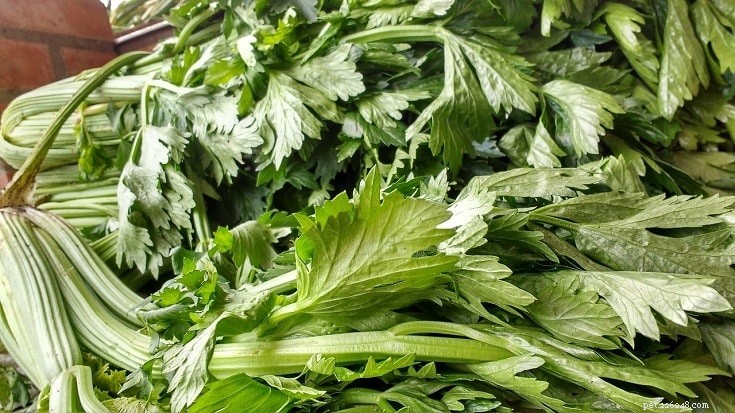
Celery itself is not harmful to tortoises and they can eat them in small amounts. The main issue with celery is that it has a strong taste many tortoises will not want to eat. It can also be tough to chew, and small tortoises may struggle to eat celery properly. This can also be a choking hazard so you should be sure you prepare it correctly before feeding it to your tortoise.
Celery is not toxic and is best fed alongside a varied diet full of nutritious veggies and fruit, so you do not have to worry about poisoning them if the tortoise does eat them.
- See Also: Can Tortoises Eat Grapes and Raisins? What You Need to Know!
Is Celery Safe for Russian Tortoises?
It is perfectly safe for Russian tortoises! However, it should be fed sparingly, and you should aim to mix the celery with other leafy greens. The leaves are more nutritious than the actual stalks of celery, but both components have high amounts of valuable fiber. Russian tortoises do best on a diet with different fruits, vegetables, insects, and Russian tortoise commercial pellets.
- See Also: Can Turtles Eat Celery? What You Need to Know!
Tortoise Nutrition Info
Tortoises are omnivores and eat a diet of plants, insects, and calcium sources. The diet varies depending on the species of tortoise you are keeping, and it is important to determine the type of tortoise you keep before you begin feeding them certain foods.
- Fruit: Berries, kiwi, oranges, apple, mango, and non-citrus fruits make up about 10% of a tortoise’s diet.
- Vegetables: Lettuce, zucchini, kale, dandelions, mustard greens, collard greens, salad mixes, cucumber, and weeds make up 40% of a tortoise’s diet.
- Commercial pellets: Reptile diets for herbivore or omnivore tortoises. Pellets should be soaked before feeding should only be 10%-20% of the diet.
- Insects: Crickets, small dead mammals, moths, caterpillars, and beetles make up 10% of omnivore tortoises’ diets. Herbivore tortoises should not eat meat-based foods.
- Calcium: Every tortoise requires a good source of calcium. This can be in the form of reptile calcium powders, scraped cuttlebone, or liquid supplements.
- See Also: Can Tortoises Eat Spinach? What You Need to Know!
Types of Tortoises That Can Eat Celery
All species of tortoise can eat celery. However, not every tortoise will take a liking to it. You can try feed it on its own to see if your tortoise would eat it, otherwise, they will most likely eat it if it’s chopped up into their daily salads.
It is important to know that some species of tortoises should not be fed too many vegetables as it is not the main aspect of their diet. Here is a list to help break down which tortoises can safely consume larger amounts of celery and which species should not.
Ideal species: (Herbivores)- Russian tortoise
- Greek tortoise
- Hermann’s tortoise
- Marginated tortoise
- Chaco tortoise
- Gopher tortoise
- Angulate tortoise
- Sulcata tortoise
- Yellow-foot tortoise
- Aldabra giant tortoise
- Galapagos tortoise
- Red-footed tortoise
How to Prepare Celery for Tortoises
Celery can be prepared at home so that your tortoise can safely eat it. The celery should be purchased from an organic store and not picked from a garden or unknown outdoor area as it can potentially contain harmful additives. These additives can be animal urine, pesticides, herbicides, or other chemicals.
- All celery should be thoroughly washed under warm water before being fed to your tortoise. This helps to remove any residue or dust.
- Boil the celery in hot water to soften it and make it easier for the tortoise to eat. This does not have to be done to the leaves and soft parts of the vegetable.
- Once the celery has been boiled, use a metal utensil to squish the celery until it’s a gooey consistency. Do not chop it up into tiny pieces as this can cause choking. However, avoid overdoing it as it can cause your tortoise to aspirate if it is a liquid consistency.
- Sprinkle some calcium powder over it so that the sticky celery can hold the powder without it falling off.
- Mix the celery with other fresh fruits and veggies that are safe for your tortoise.
Conclusion
Celery can make a good snack for many species of tortoises. If it’s prepared properly and fed alongside a healthy diet your tortoise can benefit from the nutrients and fiber that celery contains. If you want to be extra careful, it is best to consult a reptile veterinarian before feeding your tortoise celery. You can also get direct proportion sizes according to the weight and age of your tortoise.
- Can Hedgehogs Safely Eat Watermelon? Essential Tips for Owners
- Is Celery Safe for Hedgehogs? Expert Guidance & Better Alternatives
- Can Tortoises Eat Celery? A Vet-Approved Guide
- Are Apples Safe for Tortoises? Key Dietary Guidelines
- Are Tortoises Safe to Feed Tomatoes? Essential Feeding Guide
- Is Celery Safe for Budgies? Expert Tips & Nutritional Insights
- Are Chickens Safe to Feed Celery? Expert Tips & Benefits