

Pink Corn Snakes: A Rare Wild Gem Turned Popular Pet Choice
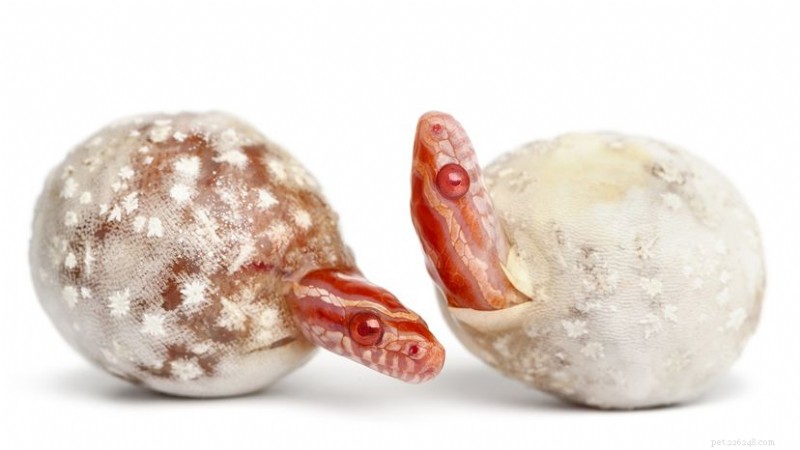
While most snakes are known for their earthy greens and browns, the pink corn snake (Pantherophis guttatus) offers a striking alternative. These nonvenomous reptiles, admired for their gentle disposition and vibrant hue, have become a favorite among both novice and experienced keepers.
The Pink Corn Snake
The pink variation of the corn snake showcases a subtle blend of pink, black, and white that glimmers when illuminated. Renowned for their docile nature, corn snakes are an ideal first pet, thanks to their manageable size, low-maintenance care, and tolerance for handling.
Active during daylight hours, they provide engaging, safe interaction for children and adults alike. Their natural curiosity means they’ll explore every corner of their enclosure, offering endless fascination.
Pink Snakes as Pets
For those seeking a unique reptile, a pink corn snake is surprisingly easy to care for. They thrive in well-ventilated enclosures that mimic their native environment. A balanced diet of mice, rats, small birds, lizards, and frogs keeps them healthy and active. As constrictors, they swallow prey whole after a brief coiling phase.
Although breeders often sell these snakes at a small size, they can grow to an average of 2 to 6 feet (61–182 cm) and may live over 20 years in captivity, making them long-term companions.
Their calm temperament makes them suitable for young owners, offering a hands-on educational experience without the risk of defensive aggression.
The Demand for Pink Snakes
Pink corn snakes remain rare in the wild, but their popularity among reptile enthusiasts has surged. Many breeders now offer online ordering with reliable home delivery. When purchasing, always select a reputable source that supplies healthy animals and comprehensive care instructions.
This article was produced with AI assistance and subsequently reviewed and fact‑checked by a HowStuffWorks editor.
- Golden Retrievers as Family Pets: Why They’re Ideal for Your Household
- Understanding Pet Insurance: How It Protects Your Furry Companion
- Limber Tail Syndrome in Dogs: Causes, Symptoms, and Vet Care
- Why Your Cat Rubs Against Your Legs: 3 Key Reasons
- Wild Rabbit Diet: What They Naturally Eat
- When Do Roosters Reach Sexual Maturity? A Breeder's Guide
- Essential Guide to Treating and Healing Nose Cuts on Your Dog