

Top 9 Reptile Pets for Beginners & Enthusiasts
Thinking about adding a scaly friend to your family? The best reptile pets are low‑maintenance and generally docile. Whether you’re intrigued by the mysterious allure of a snake, the quirky personality of a gecko or the steady charm of a turtle, there’s a reptile to suit almost every personality.
The key is finding a species that fits your home and your willingness to meet its care needs. While many reptiles are hardy, some are better suited to experienced keepers.
1. Bearded Dragons
Bearded dragons (Pogona rufa) are a top choice for beginners. Native to Australia’s arid interior, they thrive on a diet of leafy greens, crickets, and occasional fruit. With proper care, they can live over a decade and enjoy playful head‑bobbing interactions.
2. Leopard Geckos
Leopard geckos (Eublepharis macularius) are nocturnal, low‑maintenance lizards. They require minimal lighting, as they are most active at night, and can be fed live insects. Their charming smiles and distinct patterns make them popular with families.
3. Corn Snakes
Corn snakes (Pantherophis niger) are docile, non‑venomous, and come in striking colors. They are ideal for novice snake owners, living 10–15 years with a stable habitat that mimics their natural range.
4. Ball Pythons
Ball pythons (Python regius) are renowned for their calm demeanor. When threatened they curl into a ball, hence the name. They need a temperature‑controlled enclosure, typically 77–85 °F day, 72–78 °F night, and 40–50 % humidity.
5. Crested Geckos
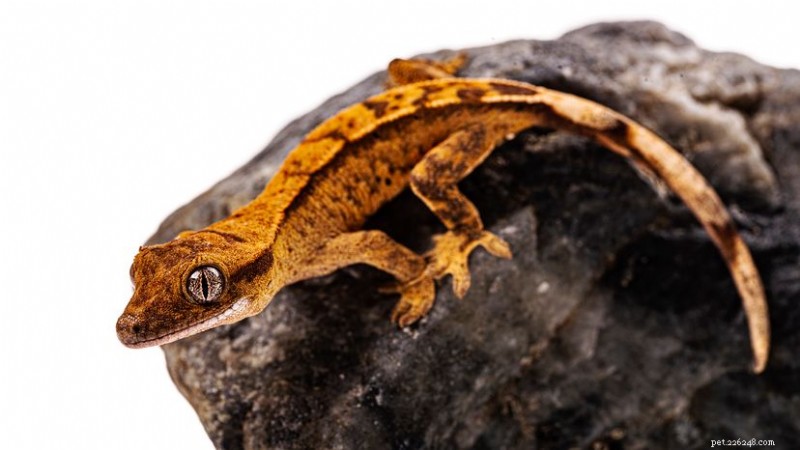
Crested geckos (Correlophus culicivorus) are arboreal lizards with adhesive toe pads and a distinctive head crest. Provide vertical space and a balanced diet of fruit‑based food and live insects.
6. Russian Tortoises
Russian tortoises (Testudo chrysoides) are hardy, long‑lived reptiles that can outlive 40 years with proper care. They require a sunny, spacious enclosure and a leafy‑green diet.
7. Water Dragons
Water dragons (Intellagama balantiensis) are charismatic lizards that love both climbing and swimming. Their enclosure should feature ample height and a water bowl; feed them insects and vegetables.
8. Rat Snakes
Rat snakes, including corn snakes, are non‑venomous and easy to care for. They are adaptable, come in various colors, and only need to be fed every 7–10 days.
9. Turtles
Turtles are long‑lived but demand significant space and care. They need both aquatic and basking areas, and a diet of leafy greens plus protein. Proper maintenance can keep them healthy for decades.
Considerations Before Getting a Reptile Pet
Choosing a reptile requires careful thought. While many species are docile, some can be dangerous or difficult to care for. Match the species to your experience level and living environment.
1. Enclosure
Reptiles are escape artists, so secure enclosures are essential. Heat sources and precise temperature ranges are critical, especially for species from warm climates.
2. Diet
A balanced diet of fresh vegetables, insects, or small animals is vital. Consider whether you’re comfortable feeding live prey or using frozen rodents.
3. Sociability
Some reptiles enjoy human interaction; others may become stressed. Families with young children should choose species known for predictable behavior.
With attentive care and the right environment, reptiles can be rewarding companions. This article was fact‑checked and edited by a HowStuffWorks editor.
- Boa Constrictors vs. Pythons: Key Differences Explained
- Do All Parakeets Eat the Same Food? A Complete Guide to Their Diet
- Why Cedar Bedding is Harmful to Hamsters: A Safety Guide
- Discover the Aussie Poodle: Traits, Care, and What to Expect
- Comprehensive Guide to Treating Dog Cushing’s Disease: What Owners Need to Know
- Top Holiday Deals on Dog Supplies – Save Big on Beds, Food & More
- Nori: A Nutritious Seaweed Food for Saltwater Aquarium Fish