

New DOT Ruling Tightens Rules on Emotional Support Animals on Flights
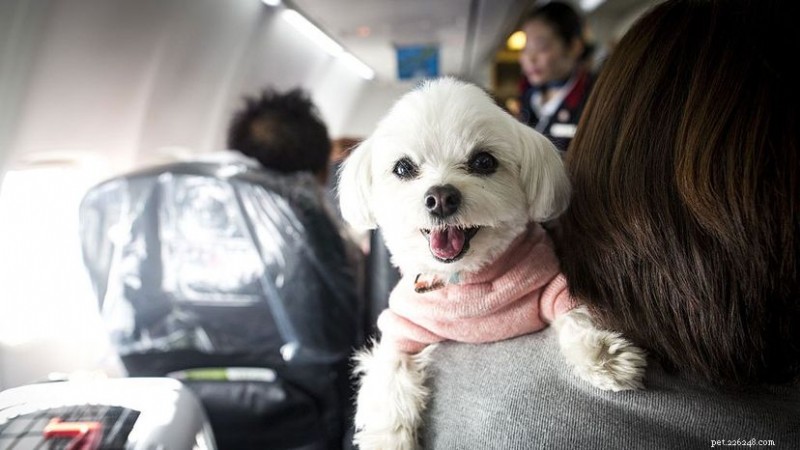
On December 2, 2020, the U.S. Department of Transportation (DOT) issued a decisive ruling clarifying that airlines are not obligated to recognize emotional support animals (ESAs) as service animals. The decision allows carriers to treat ESAs as ordinary pets and imposes stricter limits on their onboard presence. The ruling followed a 150 % rise in ESA travel between 2015 and 2017, a figure reported by Delta Air Lines, which prompted the industry to tighten animal‑handling policies.
ESAs differ fundamentally from certified service animals, which are trained to perform specific tasks for individuals with disabilities. According to Beth Zimmerman, founder of Pets For Patriots, “ESAs are companion pets that are recommended by a mental‑health professional to alleviate emotional symptoms. They do not require task training; their mere presence is therapeutic.” The DOT’s decision reflects this distinction, allowing airlines to limit ESA accommodations to dogs only and requiring pets to be housed in carriers that fit under the seat.
While dogs are the most common ESA, the ruling also covers exotic animals—snakes, rats, even pigs—removing airlines’ obligation to accommodate them. Airlines may now charge the standard pet fee, which typically starts at $125 one way, and may mandate carrier use for any ESA.
Psychologist Tanisha Ranger notes that “the evidence supporting the calming benefits of ESAs for people with mental illness is robust.” She highlights how ESAs reduce stress, mitigate isolation, and provide a sense of security for those dealing with PTSD.
Ashley Jacobs, CEO of Sitting for a Cause, shares her experience: “My golden retriever, Diamond, helps me stay calm during phlebotomy procedures, but I don’t bring her on planes because she is 70 pounds and the unfamiliar environment could trigger anxiety.” Jacobs’ decision reflects a broader concern about space and safety for other passengers.
ESA Fraud and Safety Concerns
Unlike service dogs, which federal law protects across public accommodations, ESAs historically received limited legal rights: reasonable accommodation in no‑pet housing and the ability to accompany owners in the cabin without a carrier or fee. Many travelers began classifying pets as ESAs to avoid the pet fee, a practice the DOT aimed to curb.
Ranger warns of widespread fraud: “A quick Google search reveals numerous sites offering illegitimate clinician letters, tags, and vests.” Untrained animals can pose risks; for instance, a 70‑pound dog on a Delta flight in June 2017 bit a passenger, necessitating hospitalization.
Chris Diefenthaler, executive director of Assistance Dogs International, explains the dilemma: “Discriminating between trained service dogs and untrained ESAs can expose disabled travelers to unexpected danger.”
While 23 states have statutes banning the mislabeling of pets as service animals, enforcement is hampered by ADA restrictions on questioning pet owners. The absence of a national registry further complicates verification.
Health‑care attorney Erin Jackson, who faced hostility while traveling with her ESA terrier, observes that “the proliferation of ESA vests and registry scams erodes public understanding of legitimate ESAs.” She emphasizes the importance of clear identification to distinguish therapeutic animals from ordinary pets.
Airline groups welcomed the DOT ruling, which took effect 30 days after publication. The decision permits carriers to request health, training, and behavior documentation for ESAs. However, airlines can no longer refuse a service animal solely on breed grounds—Delta had previously barred pit bulls—nor can they require a physical check‑in at the airport; online check‑in remains available.
Overall, the ruling seeks to balance the legitimate needs of ESA owners with the safety and comfort of all passengers, while curbing abuse and misrepresentation.
- 5 Safe Vegetables for Cats – And 5 Foods They Should Avoid
- Timing Your Next Dog: When Is the Right Time After Losing a Beloved Companion?
- Why Dogs Avoid Mint: The Science Behind Their Dislike
- Average Lifespan of Small Dog Breeds: What to Expect
- The Ultimate Guide to Bathing Your Cat Safely and Comfortably
- Is Nutella Safe for Dogs? What You Need to Know
- Decoding Rabbit Ear Positions: What They Reveal About Your Bunny's Mood