

Why Do Cats Sleep So Much? Understanding Normal Cat Sleep Patterns
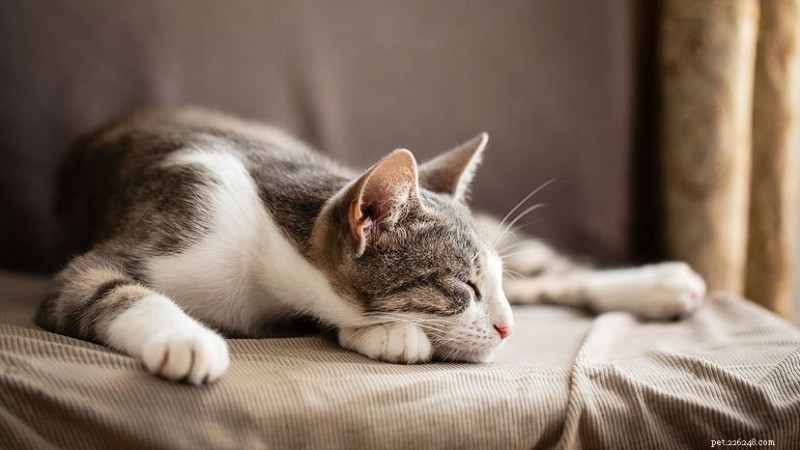
How many hours do you think your cat sleeps each day? Artmim / Shutterstock
It’s a common sight: you walk into the living room and find your feline friend curled up in a sunbeam, eyes half‑closed. While it may seem like an endless nap, this behavior is actually a key part of a cat’s natural biology. Understanding what constitutes healthy sleep can help you spot when a change might signal an underlying issue.
What Is Normal Sleep for a Cat?
Adult domestic cats typically sleep between 12 and 16 hours a day. In the wild, big cats conserve energy by resting for up to 20 hours, and the same instinct carries over to our pet companions. Cats are polyphasic sleepers—they take several short naps throughout the day rather than one long block. This pattern keeps them alert to changes in their environment while still recharging.
Most naps are light sleep, with brief periods of deep REM in which they process stimuli and refresh their bodies. A quick shift in position or a sudden startle usually signals that the cat is still in a restorative cycle.
Age and Sleep: From Kittens to Seniors
Sleep patterns evolve with age. Kittens spend the majority of their day—often 18 to 20 hours—napping to support rapid growth. Adolescents (6–12 months) exhibit erratic schedules, punctuated by bursts of high‑energy play. Once a cat reaches adulthood, its sleep rhythm stabilizes, with predictable naps that align with the day’s activity level.
Senior cats (typically 10 years and older) often sleep more deeply and for longer stretches. If an older cat is still healthy, increased sleep is usually normal. However, a sudden spike in restfulness coupled with other behavioral changes warrants a vet visit.
Environment and Lifestyle Factors
Household cats with limited stimulation may sleep excessively because there are fewer stimuli to engage them. Boredom can amplify a cat’s instinctive energy‑conservation behavior. Providing a stimulating environment—interactive toys, scratching posts, scheduled play sessions, and window perches—helps balance rest and activity.
Even well‑engaged cats will take naps after a burst of activity. Notice a cat waking briefly to change positions or investigate a sound? That’s normal; it’s part of their polyphasic cycle.
When to Be Concerned
Sudden changes in sleep habits—especially increased sleeping paired with reduced appetite, altered litter box use, or marked lethargy—can signal a health issue. Common concerns include metabolic disorders, kidney disease, or infections that alter energy levels.
Veterinary guidance is essential if you notice these red flags. A comprehensive physical exam, along with routine blood work and a urinalysis, can rule out common medical problems and confirm whether the sleep pattern is healthy.
We created this article using AI technology and had it fact‑checked and edited by a HowStuffWorks editor to ensure accuracy and reliability.
- 4 Key Insights Every Cat Owner Should Know From Top Veterinarians
- Sure Petcare Microchip Feeder: Precise Cat Portion Control for Healthy Weight
- Parvovirus in Puppies: Symptoms, Prevention, and Prompt Veterinary Care
- Dog Anal Glands: Causes, Care, and Home Solutions
- Understanding Coprophagia: Why Dogs Eat Feces and How to Stop It
- How Long Is Wet Cat Food Safe to Leave Out Before Spoilage?
- Daily Playtime Guidelines for Your New Puppy