

Essential Guide to Caring for Pet Rats
Starting a pet rat family can be exciting, but you’ll need the right foundation to ensure they thrive. This guide covers the essential supplies— from cage selection to enrichment— and offers practical tips backed by animal care expertise.
#1. Choosing the Right Cage
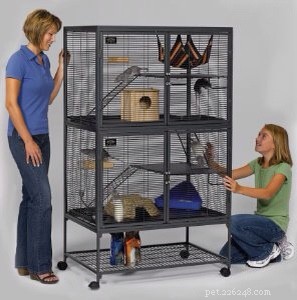
The cage is the heart of a rat’s environment. Because rats are inquisitive and energetic, they need plenty of space. Although the initial cost may be higher, investing in a spacious enclosure pays off in long‑term health. Below are cage options based on the number of rats you intend to keep:
2 rats = Amazon link
4 rats = Amazon link
6+ rats = Amazon link
#2. Hammocks
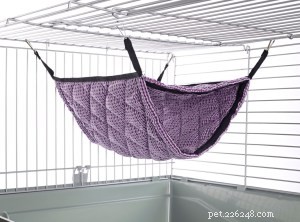
Rats love sleeping at height, so a hammock or elevated platform is essential. You can hand‑make one or purchase a ready‑made version from most pet stores or online retailers.
#3. Climbing Opportunities
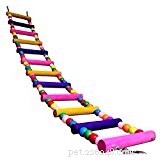
Multi‑level cages with ropes, ladders, and horizontal bars mimic their natural climbing instincts. Providing a variety of textures keeps them mentally stimulated.
#4. Food Bowls and Water Bottles
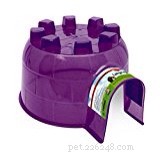
Ceramic bowls and glass water bottles are the most hygienic options. We recommend the Living World water bottle, which is chew‑resistant and prevents contamination: Amazon link
#5. Diet Basics

Commercial rat muesli or nuggets provide balanced nutrition. Avoid sugary treats and refill only when the bowl is empty, as rats often stash food elsewhere. Fresh fruits and vegetables—except sugary ones—are excellent additions.
#6. Hideouts
Hideouts give rats a safe retreat from cage mates and reduce stress. Small wooden boxes or fabric tents work well.
#7. Substrate

Dust‑free substrates like Back 2 Nature or fleece liners protect respiratory health. Avoid sawdust and wood shavings, which can trigger breathing issues.
#8. Exercise Wheel
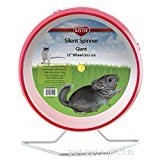
A properly sized wheel keeps rats active and healthy. Even if they use it less frequently than hamsters, it’s a valuable addition. Example: Amazon link
#9. Litter Tray
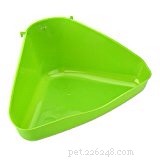
Litter training simplifies cage maintenance and promotes a cleaner environment.
#10. Gnawing Toys

Continuous tooth growth means rats need chew toys. Wood, loofah, and lava ledges help keep teeth and nails at healthy lengths. Over time, you’ll notice preferred textures.
#11. Backup Cage or Exercise Ball
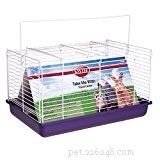
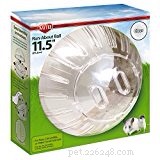
During cleaning, a secondary cage is safer than an exercise ball, which can cause stress by limiting visibility and forcing sudden collisions.
#12. Pet‑Safe Disinfectant
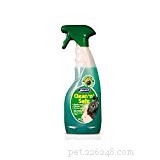
Using a pet‑safe disinfectant reduces the risk of accidental ingestion of toxic substances.
- Carlson Super Wide Pet Gate Review – Durable, Easy‑to‑Use, Safe for Puppies
- Are Chicken Bones Safe for Cats? Risks, Benefits, and Feeding Guidelines
- Common Dog Nail Issues: Causes, Symptoms & Care
- 7 Ways You’re Unintentionally Stressing Your Pet (and How to Stop)
- 22 Houseplants That Are Poisonous to Cats: Keep Your Feline Safe
- Fromm Family Foods Recalls 300 Cases of Bonnihill BeefiBowls Dog Food Due to Plastic Contamination
- Effective Cold Hosing Techniques for Treating Equine Injuries