

How to Safely Relieve Your Puppy’s Constipation: Expert Tips & Natural Remedies
This post may contain affiliate links. We may earn money or products from the companies mentioned in this post.
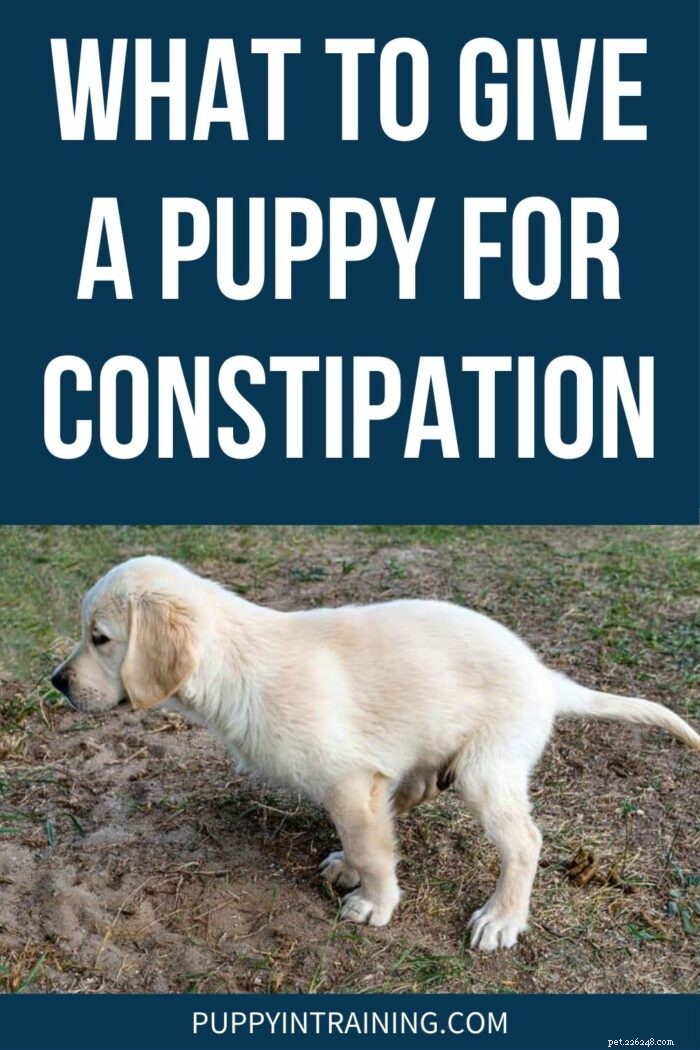
Just like any growing puppy, your little one will have frequent bowel movements as part of normal development. When that routine suddenly changes, constipation can become a serious concern.
When a puppy struggles to pass stool, their appetite drops and they may lose the energy needed for healthy growth. Below is a comprehensive guide to identifying, treating, and preventing constipation in puppies.
How Often Should Puppies Poop?
Paying close attention to your puppy’s bathroom habits is the fastest way to spot potential issues. In the first six months, it’s normal for puppies to defecate four to five times daily. As they mature, this frequency typically drops to once or twice a day.
Young puppies lack the pelvic floor control adults have, so they tend to go soon after eating. By about 12 weeks, most puppies can hold it longer and require fewer trips to the toilet.
Remember, “normal” varies from dog to dog. Consistency is key—if your pup’s pattern remains stable, even if it’s outside the average, it’s usually fine.
Why Do Puppies Become Constipated?
Several factors can lead to constipation in puppies:
- Ingesting foreign objects that obstruct the intestines.
- Low-fiber diets or inadequate hydration.
- Stress from new environments or separation from their mother.
- Grooming habits—long‑haired breeds can ingest hair that forms hairballs.
- Inflammation around the anus caused by matting or feces.
How Do You Know If Your Puppy Is Constipated?
Look for these signs:
- Infrequent or absent bowel movements.
- Hard, dry stools.
- Reduced appetite and a feeling of fullness.
- Restlessness, pacing, or squirming in a squatting position.
- Whining or barking during attempts to defecate.
- A tendency to avoid interaction when uncomfortable.
When Should You Worry About Constipation?
Most cases resolve within 24 hours with supportive care. If your puppy hasn’t had a bowel movement for 48 hours, it’s time to seek more active intervention.
The Dangers of Chronic Constipation
Prolonged constipation can:
- Interfere with appetite, leading to weight loss or stunted growth.
- Inflame the intestinal lining, potentially causing mucus‑laden diarrhea.
- Increase the risk of severe complications such as fecal impaction or intestinal obstruction.
Natural Remedies to Restore Normal Bowel Movements
Boost Fiber Intake
Adding fiber helps soften stools and encourages regular passage. Safe, natural options include:
Pureed Pumpkin
High in soluble fiber and moisture, pumpkin can be mixed into dry kibble or served alone. Use fresh pumpkin puree or a plain canned variety—avoid added spices.
Quick Tip: We use Native Pet Organic Pumpkin for Dogs—a freeze‑dried powder you can stir into food or whisk with water.
Bran
A small amount (about 1 tablespoon per meal) can provide a significant fiber boost. Start with a quarter of the typical amount to avoid overloading the system.
Hydration and Lubrication
Ensuring your puppy is well‑hydrated is essential. Consider:
- Offering wet food or mixing a small amount of canned food with kibble.
- Adding powdered psyllium husk to meals to draw water into the stool.
- Using mineral oil or aloe ferox sparingly for lubrication.
- Providing fresh water at all times and encouraging intake with chicken broth.
- Offering ice chips if the puppy appears lethargic or dehydrated.
Probiotic Support
Probiotics help restore gut flora and can ease constipation. Popular choices include:
- Native Pets Probiotics for Dogs
- Zesty Paws Probiotic Bites (pumpkin & papaya)
- Nutri‑Vet Pre & Probiotic Soft Chews (1 billion CFUs + inulin)
- PetHonesty Digestive Probiotics Chews (pumpkin‑based, GMO‑free)
Light Exercise and Gentle Massage
Even a short walk can stimulate intestinal motility. A gentle abdominal massage may help, but respect the puppy’s comfort—don’t force touch if they pull away.
When Laxatives Are Needed
If natural measures fail, consult your veterinarian. Options include a prescription laxative or an over‑the‑counter product such as Milk of Magnesia. Most puppies show relief within 1‑6 hours. Rarely, a veterinarian may recommend an enema for severe cases.
Preventing Constipation in Puppies
Grooming
Keep the perianal area clean and dry. For long‑haired breeds, regular brushing reduces hair ingestion and prevents matting.
Nutrition
Feed high‑quality puppy food with 3‑5% fiber. Avoid artificial additives that can irritate the gut. Grains are generally safe, but if constipation persists, discuss celiac disease with your vet—though it’s uncommon in dogs.
Monitor fluid intake; if water intake is low, offer flavorful broths to encourage hydration.
Quick Recommendation: We feed our guide‑dog puppies Purina Pro Plan – Puppy Formula.
Training and Environment
Create a positive, stress‑free home. Teach your puppy to eliminate on various surfaces—grass, dirt, concrete—to avoid holding it due to fear of an unknown spot. Avoid punishment for accidents; instead, reward correct elimination. Work on the “leave it” command to prevent ingestion of harmful items.
FAQs
What helps a constipated puppy?
Offer plenty of water, a high‑fiber diet, and consider switching to wet food. Pureed pumpkin is often well‑tolerated and effective.
How do I know if my puppy is constipated?
Hard, dry stools, infrequent passes, and signs of discomfort (whining, straining, or restless behavior) indicate constipation.
Is it normal for puppies to be constipated?
While it’s not a normal state, constipation can arise from stress, foreign bodies, or diet. Prompt attention helps prevent chronic issues.
The Verdict
Constipation can cause significant discomfort and hinder growth. Start with natural remedies—fiber, hydration, probiotics, and gentle exercise. If symptoms persist, seek veterinary care for safe laxative use and to rule out underlying problems. Maintaining a balanced, high‑fiber diet is the best long‑term strategy.
Share your experiences: How did you help your puppy recover from constipation?
Save To Pinterest
DISCLAIMER: We are not veterinarians. This article is for informational purposes only. If your puppy shows signs of distress, contact a qualified veterinarian immediately.
Top Picks For Our Puppies
- BEST DOG CHEW
We recommend Beef Collagen Sticks—great for chewing urges and supporting joint health. - BEST PUPPY TOY
Calmeroos Puppy Toy w/ Heartbeat and Heat Packs—soothes anxiety in new homes. - BEST DOG TREATS
Crazy Dog Train‑Me Treats—our go‑to high‑value training reward. - BEST FRESH DOG FOOD
The Farmer’s Dog—recently adopted by our puppies for its fresh, human‑grade ingredients.
Discover more favorites in our New Puppy Checklist.
- Pet Behavior
- Pet Breeds
- Pet Names
- Pet Adoption
- Pet Training
- Pet Information
- Pet Health
- Adorable Pets
- Dogs
- Understanding Antibiotic Side Effects in Dogs: What Owners Need to Know
- Understanding Why Your Cat Is Farting: Causes and What to Do
- Hemichromis bimaculatus (Jewelfish): In-Depth Species Profile
- Introducing a New Cat to a Dog‑Friendly Home: Tips & Best Practices
- Clumber Spaniel: Classic American Sporting Dog
- How to Treat a Cat with Frostbite: Essential Care Guide
- Build a Stylish Cactus Cat Scratcher: A Step‑by‑Step DIY Guide