

10 Proven Remedies to Relieve Dog Skin Allergies and Itchy Skin
This article may contain affiliate links. We may earn commissions from products and services mentioned herein.
Is your canine companion plagued by persistent itching, flaky patches, or scabbing? Our guide dog, Stetson, has spent years wrestling with seasonal skin allergies. After multiple veterinary visits and a combination of medications, he finally found relief—thanks to a structured, evidence‑based approach. Below is a comprehensive guide that can help you treat your dog’s skin issues safely and effectively.
Common Symptoms of Dog Skin Allergies
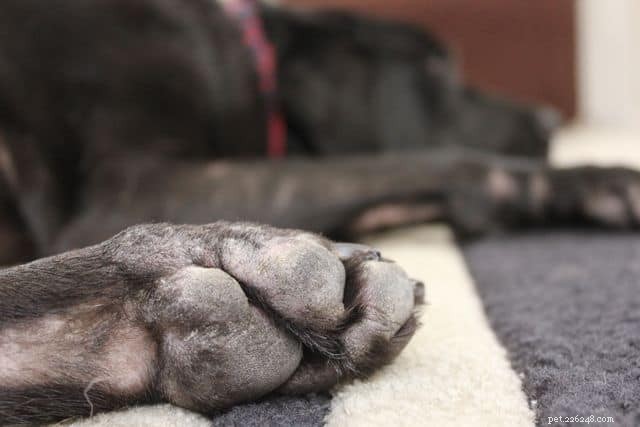
- Excessive paw licking and chewing, often leading to scabs or skin damage
- Red or inflamed areas on the back, chest, or belly
- Dry, flaky skin that may crack or peel
- Potential ear infections linked to underlying allergies
Tracking these symptoms with an itch‑score chart can reveal seasonal patterns and trigger factors. A recent vet visit marked the turning point for Stetson—after a cost‑intensive consultation, a multi‑step plan was adopted that included both medical and environmental changes.
10 Evidence‑Based Remedies for Dog Skin Problems
Disclaimer: I am not a veterinarian. The following strategies were implemented by my vet and tested on Stetson. Always consult your vet before starting any new treatment.
-
1. Steroid Therapy (Prednisone)
Short‑term prednisone can dramatically reduce inflammation and itching. However, long‑term use may lead to increased water intake, urinary frequency, liver or kidney strain, and immune suppression. Use only under veterinary supervision.
-
2. Cyclosporine (Atopica)
Cyclosporine is a potent immunomodulator that often improves skin condition within weeks. The major drawbacks are its high cost—often $200–$300/month—and gastrointestinal side effects such as nausea or vomiting. Some dogs tolerate the medication when the tablets are frozen or crushed.
-
3. Weekly Baths with a Hypoallergenic Dog Shampoo
Contrary to the myth that frequent bathing harms skin, veterinarians recommend weekly washes for dogs with allergies, provided you use a pH‑balanced, hypoallergenic dog shampoo. A gentle puppy formula (e.g., Burt’s Bees Puppy Shampoo) can soothe irritated skin without stripping natural oils.
-
4. Post‑Walk Paw Wipes
Allergens such as pollen, dust, and chemicals cling to a dog’s paws during walks. Wiping the paws with a baby wipe or a pet‑specific wipe (e.g., Earth Rated Dog Wipes) immediately after return can reduce allergen exposure and prevent secondary skin irritation.
-
5. Consistent Flea & Tick Control
Flea infestations are a common allergen source. Monthly application of a broad‑spectrum product like Frontline Plus—or a seasonal switch between Frontline and Advantage II—provides comprehensive flea and tick protection. Regularly inspect your dog for flea dirt and treat promptly.
-
6. Transition to a Novel Grain‑Free Diet
Many dogs with allergies respond to a limited‑ingredient or grain‑free diet. Options such as Wellness Core Grain‑Free, Natural Balance Duck & Potato, or Honest Kitchen Chicken can reduce exposure to common allergens. Monitor your dog’s response and work with your vet to adjust the diet gradually.
-
7. Omega‑3 Fatty Acids (Fish Oil)
Daily supplementation with high‑quality fish oil capsules supports skin barrier function and reduces inflammation. One capsule per day (≈1000 mg EPA/DHA) is a typical dose for medium‑sized dogs. Quality brands can be sourced in bulk from retailers like Costco.
-
8. Antihistamine (Benadryl)
At 75 mg twice daily, Benadryl can alleviate mild allergic itching in some dogs. Side effects may include sedation or dry mouth. Always confirm the dosage with your vet before use.
-
9. Environmental Hygiene & Air Filtration
Maintaining a clean home—regular vacuuming, dusting, and the use of HEPA air filters—reduces indoor allergens. Consider a dedicated dog bed with washable covers and minimize exposure to household chemicals.
-
10. Natural Vinegar Spray
Some owners report relief using a 50/50 mixture of apple cider vinegar and water sprayed lightly on the skin. This is an anecdotal remedy; caution is advised, and it should not replace veterinary treatment.
After a structured three‑month trial of the above remedies—combining diet changes, environmental control, and targeted medical therapy—Stetson’s skin allergies are now under full control. No more nightly licks, no more scabs, and a noticeably healthier coat.
If your dog continues to exhibit symptoms, the next step is formal allergy testing. Discuss options with your vet to pinpoint specific allergens and customize a treatment plan.
Have you found success with any of these strategies? Share your experiences in the comments or contact a veterinary professional for personalized guidance.



- Pet Behavior
- Pet Breeds
- Pet Names
- Pet Adoption
- Pet Training
- Pet Information
- Pet Health
- Adorable Pets
- Dogs
- Proven Dog Weight‑Loss Diets: Expert Guide (Part 1)
- Understanding a Dry Dog Nose: When to Worry and When to Relax
- How to Keep Your Pets Safe and Happy This Holiday Season
- Do Cats Really See Colors? Debunking Common Myths
- Birman Cat Breed Guide: Features, Traits & Care Tips
- Vanilla Ball Python Morph: Pale Yellow, Beginner-Friendly Reptile with Vibrant Genetics
- Antifreeze Poisoning in Dogs: Recognizing Symptoms & Protecting Your Pet From Fatal Exposure