

Why Do Dogs Roll in Grass? Expert Insights on the Behavior and When to Act
Ever seen a dog roll on the lawn? It’s a common sight—dogs love to tumble on grass for various reasons.
While each dog is unique, grass‑rolling is typically harmless. It can stem from simple play, scent marking, cooling, or even allergies. Below we explain the science behind the behavior and when to seek veterinary care.
Is Grass‑Rolling Normal?
Dr. Jeremy Kimmelstiel, regional medical director at Bond Vet in New York City, calls it a “normal behavior” that varies in frequency and context. He notes that some dogs roll more often based on preference, environment, and overall comfort.
Dr. Nicole Savageau of The Vets mobile veterinary service agrees that the habit is instinctual. However, “excessive or obsessive rolling may signal underlying skin issues, allergies, or behavioral concerns,” she warns. In such cases, a veterinarian or behaviorist can pinpoint the cause and recommend treatment.
What Drives the Grass‑Rolling Behavior?
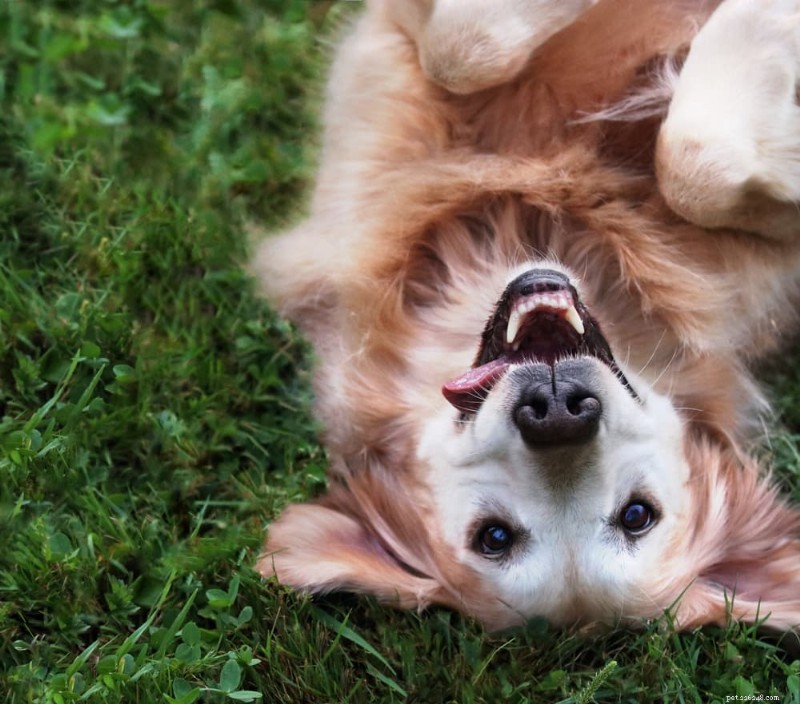
Several factors can motivate a dog to roll:
- Scent marking. Dogs have scent glands along the neck, shoulders, and back. Rolling distributes their odor onto the grass, signaling territory to other animals.
- Camouflage. By mixing their scent with that of plants or other animals, dogs may reduce detection by predators or prey.
- Cooling. Though dogs pant to regulate temperature, a cool patch of grass can help them chill on hot days.
- Itch relief. Grass can scratch itchy skin from allergies, parasites, or dermatitis, offering temporary comfort.
- Enjoyment. The texture and freedom of movement provide sensory stimulation and relaxation.
Managing Grass‑Rolling
In most cases, grass‑rolling is harmless, but watch for signs of distress, excessive rolling, or skin irritation. Here are practical steps to guide your dog:
- Redirect & reward. Limit access to heavily rolled‑in grass or guide your dog to a play area. Use treats and praise for alternative activities.
- Training. Enroll in basic obedience or impulse‑control classes to strengthen focus and reduce compulsive rolling.
- Consistency. Maintain a steady routine, avoid punishment, and reinforce positive behaviors to preserve trust.
- Professional help. If rolling interferes with daily life or shows signs of discomfort, consult a vet to rule out medical issues.
Additional Tips for a Safe Outdoor Experience
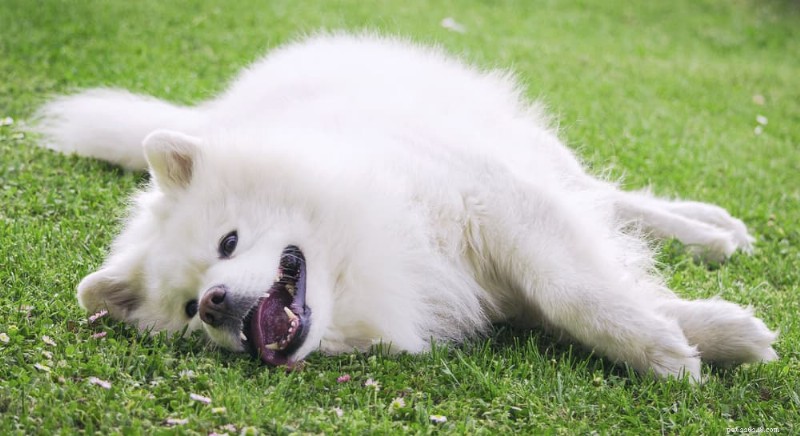
Grass treated with pesticides or herbicides can irritate a dog’s skin. Regularly inspect your pet for itching, redness, or hot spots after grass play.
Many dogs suffer from grass pollen allergies, presenting as:
- Itching on paws, belly, or face
- Redness and inflammation—hot spots, rashes, skin infections, itchy eyes
- Respiratory signs—sneezing, coughing, congestion
If you suspect an allergy, a vet can perform an examination, review history, and recommend treatments such as avoidance, medication, or allergen‑specific immunotherapy.
Other supportive actions include:
- Regular grooming and wiping with hypoallergenic wipes after grass play
- Providing a balanced AAFCO‑approved diet
- Offering engaging activities to divert focus from grass
Every dog is different, so observe closely, consult professionals when needed, and tailor your approach. Responsible care ensures a safe, enjoyable outdoor experience for your furry friend.
- Pet Behavior
- Pet Breeds
- Pet Names
- Pet Adoption
- Pet Training
- Pet Information
- Pet Health
- Adorable Pets
- Dogs
- Top 3 OTC Flea Medications for Dogs: A Vet‑Approved Guide
- Understanding Cat Sneezing: Causes, Symptoms, and When to Seek Veterinary Care
- Professional Dog Hospice Care: Options & Guidance
- Blue‑Eyed Lucy Ball Pythons: Expert Care Guide & Buying Tips
- The Ultimate Guide to Caring for Pet Budgie Birds
- Healthy Homemade Dog Food for Weight Loss: A Proven Recipe
- Discover the Untold Adventures of Gatsby's Lesser-Known Tale