

Understanding Why Your Dog Walks Slow: 5 Key Causes & Practical Solutions
All featured products are selected at the discretion of the GreatPetCare editorial team and do not constitute a direct endorsement by the author or reviewer.
Your pup used to sprint to the door the moment you clipped the leash, and you’d follow them through a blur of mailboxes and garden beds. Now, that once‑frenetic stride has softened into a leisurely stroll. If you’re wondering why your dog is walking slow, you’re not alone.
5 Common Reasons Why Your Dog Walks Slow
Dogs naturally vary in pace; some enjoy a brisk jog, while others prefer a relaxed pace to savor the scent of every patch of grass. However, if a normally energetic dog suddenly slows down, it may signal a change in health or wellbeing.
Age
Puppies burst with energy, but senior dogs often experience a natural decline in muscle strength, joint flexibility, and endurance. As Dr. Danny Cox, DVM, explains, “Aging can reduce a dog’s stamina, making a slower walk a sign of age‑related changes.”
Joint Pain & Osteoarthritis
Arthritis can make walking a painful task, leading to shorter, slower strides and stiffness. Dr. Kim DiMaio, VMD, notes that pain often causes dogs to avoid movements that aggravate discomfort, resulting in a noticeably slower pace.
Veterinary treatment may include NSAIDs, joint supplements such as Dasuquin or Cosequin, weight management, and tailored exercise to alleviate symptoms.
Excess Weight
A 2022 survey by the Association for Pet Obesity Prevention found that 59 % of dogs are overweight or obese. Carrying extra weight strains joints and the cardiovascular system, which can make a brisk walk feel exhausting.
Weight‑loss plans often involve reducing treats, eliminating table scraps, measuring meals accurately, and providing a specialized weight‑management diet (e.g., Royal Canin Satiety Support, Hill’s Metabolic Weight Management, BLUE Natural Weight Management + Mobility Support) alongside low‑impact exercise.
Underlying Health Issues
Heart disease, respiratory disorders, and neurological conditions can all sap a dog’s energy. As Dr. DiMaio says, “When a dog isn’t feeling 100 %, they’ll naturally reduce activity to conserve energy.”
Watch for additional signs such as loss of appetite, vomiting, diarrhea, wobbliness, or an increased resting respiratory rate. If these accompany a slower walk, a vet visit is warranted.
Fear or Anxiety
New environments, loud noises, or past trauma can trigger anxiety, causing a dog to walk at a cautious, slower pace while scanning for threats. Body language cues may include averted gaze, flattened ears, panting, or even a low growl.
Calming aids, prescription medication, or behavior‑modification techniques can help alleviate stress and restore confidence.
Next Steps: What to Do When Your Dog Walks Slow
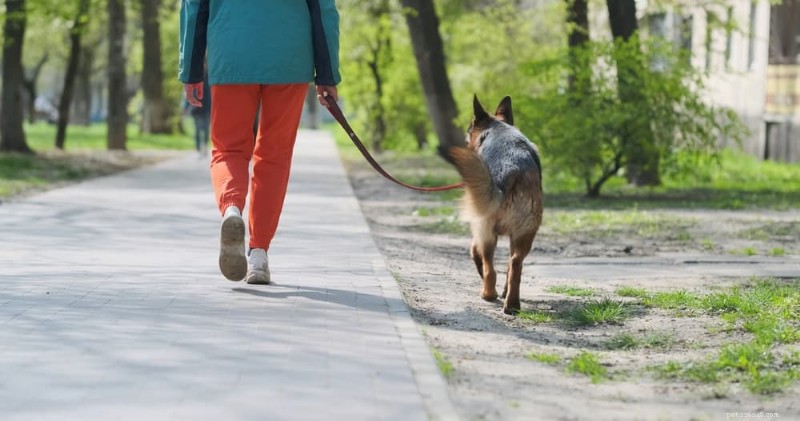
Occasional, gentle walks are perfectly fine, but a noticeable shift from a once‑swift pace to a sluggish one—especially if the dog stops or sits frequently—merits a professional evaluation.
Dr. DiMaio advises, “If the change feels out of character, schedule a vet appointment to rule out medical issues.”
For dogs distracted by surroundings rather than illness, a harness or a more engaging leash can help maintain focus and a steady pace. Conversely, if a medical condition is confirmed, veterinary‑recommended medications and supplements can enable the dog to walk at a comfortable speed.
Respect a dog’s pace when pain or age is the culprit; forcing a faster walk can worsen discomfort or stress.
Other Tips to Keep Your Dog Active and Engaged
When a traditional walk feels too demanding, diversify your dog’s routine:
- Swimming: Ideal for overweight or arthritic dogs; it’s joint‑friendly and cardio‑supportive.
- Scent Games: Hide treats and let your dog sniff them out; great mental stimulation.
- Training Sessions: Teach new tricks to keep both body and mind active.
Regular check‑ups are key to catching health issues early and ensuring your dog continues to enjoy walks—at any pace.
References
- Belshaw, Zoe et al. “Slower, shorter, sadder: a qualitative study exploring how dog walks change when the canine participant develops osteoarthritis.” BMC Veterinary Research 16, no. 1 (2020): 85. https://doi.org/10.1186/s12917-020-02293-8
- 2022 Pet Obesity Prevalence Survey. Association for Pet Obesity Prevention. https://www.petobesityprevention.org/2022
- Pet Behavior
- Pet Breeds
- Pet Names
- Pet Adoption
- Pet Training
- Pet Information
- Pet Health
- Adorable Pets
- Dogs
- Three Refreshing Treats to Keep Your Pets Cool All Summer
- Do Dogs Experience Anger? Understanding Your Dog's Emotional Signals
- How to Safely Treat Ringworm & Fungal Infections in Pets
- Coconut – Welcoming Our New Ragdoll Kitten
- Prevent Your Dog From Digging Through the Trash: Proven Tips & Solutions
- What Causes Dogs to Chase Shadows? A Practical Guide for Concerned Owners
- Do Pets Really Read Our Minds? Understanding Telepathic Communication