

Effective Techniques for Calming an Anxious Dog
As a pet owner, watching your beloved companion in distress is heartbreaking. Whether your dog is uneasy during a thunderstorm, reacting to loud noises, or adjusting to a new household routine, mastering the art of calming an anxious dog is essential for many situations.
Calming a Dog: General Guidelines
Canine anxiety presents in various forms—from overt hyperactivity to subtle withdrawal. While separation anxiety often produces unmistakable signs, stress can also cause a dog to shut down in less obvious ways. A quiet demeanor does not always indicate contentment.
Recognizing the early signs of canine distress is the first step toward effective calming. Once a dog enters a fight‑or‑flight state, reversing that reaction becomes more difficult. By spotting stress early, you can intervene promptly and prevent escalation.
Common early indicators of anxiety include:
- Tremble
- Hunch over
- Freeze in place
- Move slowly
- Repeatedly lick lips
- Yawn frequently
- Hide
- Pant heavily or suddenly stop panting despite temperature or activity level
An old recommendation advised against comforting a distressed dog, claiming it might reinforce fear. This is a myth. Anxiety is an involuntary reaction; acknowledging it and offering reassurance helps your dog learn to rely on you for support.
How to Calm a Dog with Anxiety
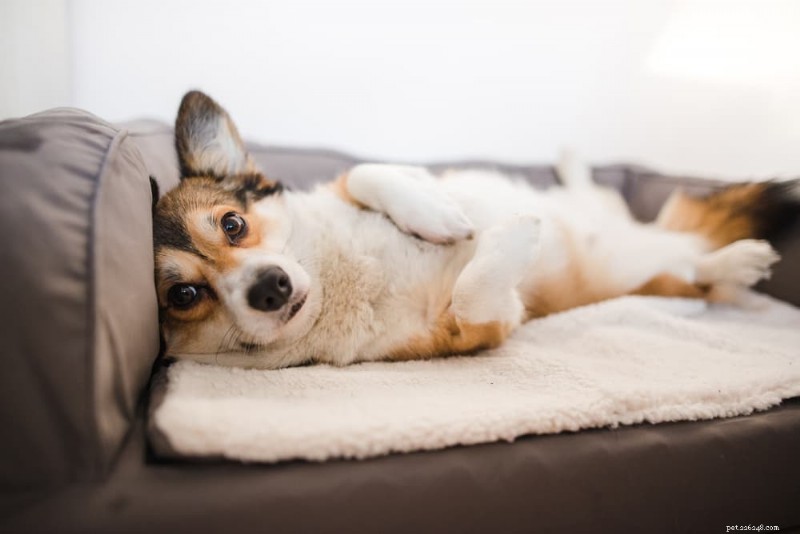
Separation anxiety manifests when a dog feels uneasy in the absence of its primary attachment figure(s). The key to alleviating this condition lies in reshaping the dog’s perception of being alone.
For severe cases, professional guidance using systematic desensitization—a gradual, stepwise approach—can be highly effective.
Dogs experiencing milder separation distress can benefit from the following strategies:
- Desensitize pre‑departure cues—e.g., calmly picking up keys or putting on a jacket.
- Provide mental and physical stimulation before you leave, such as training or scent games, to help your dog rest.
- Offer a treat‑filled, interactive toy as a distraction while you’re away.
How to Calm a Scared Dog
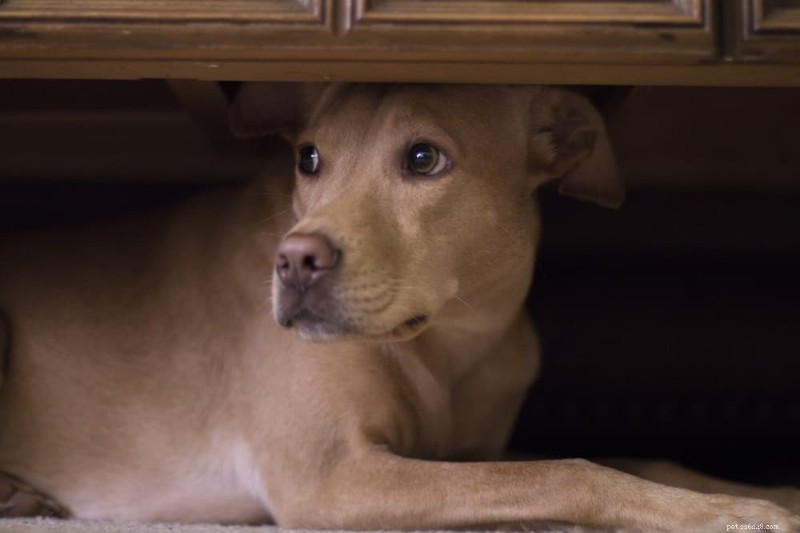
Fear can stem from a range of triggers, so the first step is to identify what specifically scares your dog. Once the source is clear, gradual exposure training can help desensitize the trigger.
Letting a fearful dog dictate the pace of interaction prevents overwhelm and reduces the risk of setbacks.
- Identify every trigger—does your dog react to all loud noises or only certain ones?
- Introduce the trigger at a safe distance—have the trigger present but out of the dog’s immediate field of view.
- Pair the trigger with positive reinforcement—reward the dog with high‑value treats while the trigger is present.
- Gradually reduce the distance—progressively bring the trigger closer as the dog remains calm.
How to Calm a Dog During Fireworks or Storms
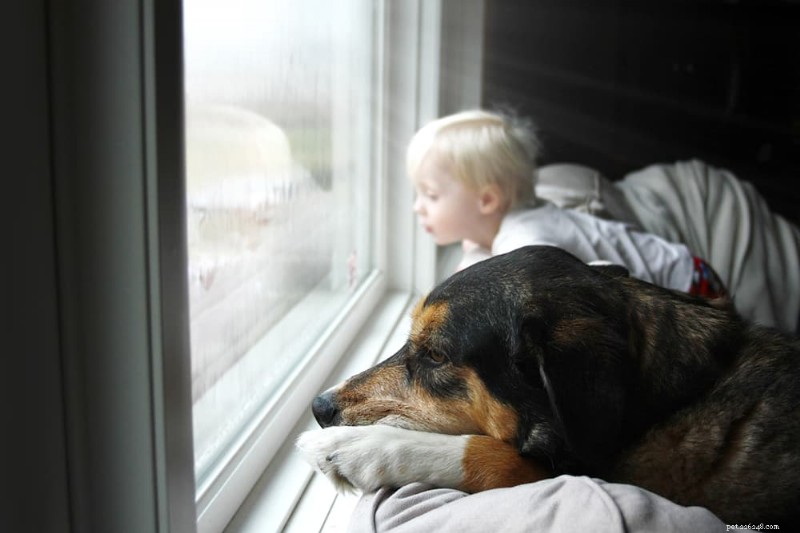
Fireworks and thunderstorms are among the most common stimuli that provoke canine fear. The booming sounds can leave dogs feeling vulnerable, and storms add unpredictability and atmospheric changes that can heighten anxiety.
While both scenarios can frighten dogs, thunderstorms present additional challenges: unpredictable timing and atmospheric pressure shifts that may increase static electricity and amplify fear responses. Fireworks, though also loud, are more predictable, giving owners a chance to prepare.
- Desensitize to the sounds—play recordings of fireworks or storm noises at a low volume while offering treats.
- Use a compression vest—a swaddling garment that can provide a calming sense of security.
- Keep your dog occupied—offer a treat‑filled puzzle toy to divert attention from external noise.
- Muffle the noise—white‑noise machines or headphones can mask outside sounds.
- Create a chill zone—place the dog’s bed in a quiet, familiar space (e.g., the bathroom) and add water and toys.
How to Calm a Dog in the Car
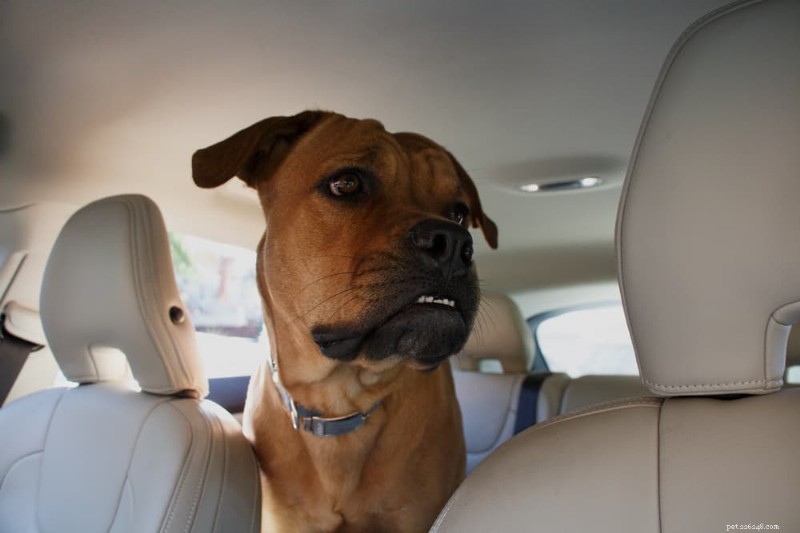
While some dogs thrive on car adventures, others become anxious or overly excited, posing risks to themselves and drivers. Helping a dog remain calm during car rides is essential for safety and comfort.
Use these strategies to encourage calm, safe behavior while traveling:
- Teach proper entry and exit manners—ask your dog to sit before climbing in, and command “wait” before stepping out.
- Begin with short trips—start with a brief drive around the block to acclimate your dog without overwhelming excitement.
- Use a suitable restraint—invest in a crash‑tested seat belt or crate that keeps your dog secure yet comfortable.
- Address car sickness—consider an over‑the‑counter remedy if your dog shows signs of nausea such as drooling or heavy panting.
- Pet Behavior
- Pet Breeds
- Pet Names
- Pet Adoption
- Pet Training
- Pet Information
- Pet Health
- Adorable Pets
- Dogs
- Preventing Winter Hazards: Essential Tips to Keep Your Cat Safe in Cold Weather
- Do Dogs Cry? Understanding Their Tears and Signs of Sadness
- Dog Poop Quality Chart: What Your Dog's Stool Reveals About Health
- Why Does My Dog Take Long to Poop During Walks? Common Causes & Quick Fixes
- Can Dogs Eat Fig Newtons? Learn the Safe Feeding Guide
- Music’s Impact on Cats and Dogs: Enhancing Calm and Connection
- Helping Dogs Overcome Fear of Loud Noises