

Understanding Coprophagia: Why Dogs Eat Feces and How to Stop It
Observing a dog eating feces—known as coprophagia—can be unsettling, yet it is a behavior with multiple underlying causes, ranging from normal developmental stages to medical conditions.
Why Dogs Eat Poop?

In many species, ingesting feces is an evolutionary strategy to reclaim nutrients that were not fully absorbed during digestion. For example, rabbits and rodents routinely consume their own waste to recover essential vitamins and minerals [1]. In young mammals such as puppies and foals, ingesting maternal feces can aid in the colonization of beneficial gut microbiota, which is critical for long‑term health [2].
While these behaviors are normal in certain contexts, coprophagia in dogs can also signal nutritional deficiencies, gastrointestinal disease, or behavioral factors. Understanding the root cause is essential for effective intervention.
Medical Causes
Dogs that struggle to absorb nutrients may eat feces in an effort to re‑intake lost vitamins and minerals. Conditions such as exocrine pancreatic insufficiency (EPI) and inflammatory bowel disease (IBD) compromise digestive efficiency, leading to large, soft stools and heightened appetite. Common breeds affected by EPI include German Shepherds, and clinical signs often include excessive hunger and weight loss. Similarly, IBD causes intestinal inflammation that reduces nutrient uptake, producing symptoms that mirror EPI.
Other disorders that can increase hunger—such as Cushing’s disease, diabetes, or medication side‑effects from steroids and anticonvulsants—may also prompt a dog to consume feces. Pica, a condition characterized by the ingestion of non‑food items, can coexist with coprophagia and is frequently associated with anemia or psychiatric stressors.
Behavioral and Environmental Factors
Dogs may also eat feces due to boredom, inadequate mental stimulation, or simply because feces are the most readily available scent in the environment. Puppies, in particular, explore their surroundings with their mouths, and ingesting feces is a natural part of that exploratory phase. This behavior can help establish a healthy gut microbiome during critical developmental windows [3].
Why Dogs Eat Cat Poop
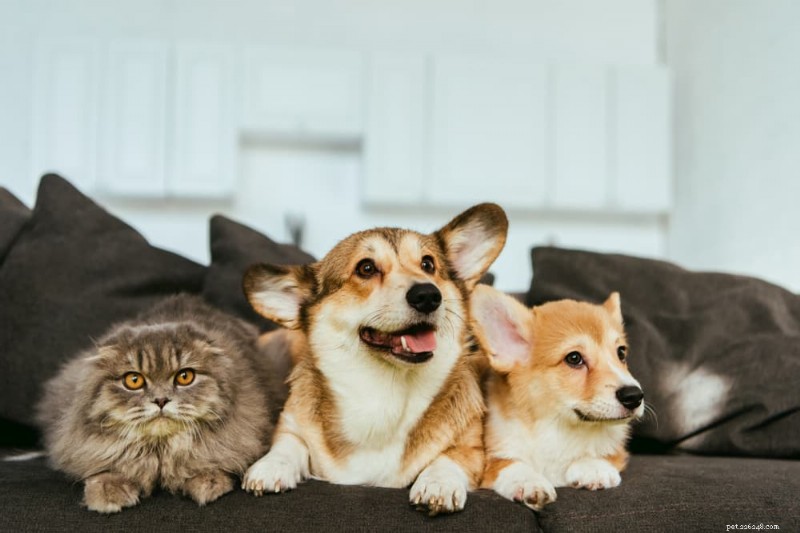
Cat litter boxes are often located in close proximity to living areas, making cat feces more accessible. Additionally, the higher protein content of cat food translates into feces that are more appealing to dogs, especially those with a keen sense of taste.
How to Stop Your Dog From Eating Poop
Early intervention is key. The following evidence‑based strategies can help break the cycle of coprophagia.
1. Remove Access
Immediately pick up feces after your dog defecates. If you crate‑train, ensure the crate is the right size—too large and the dog may eliminate inside and consume the waste. For homes with cats, place litter boxes on elevated surfaces or use baby gates to restrict dog access.
2. Redirect Attention
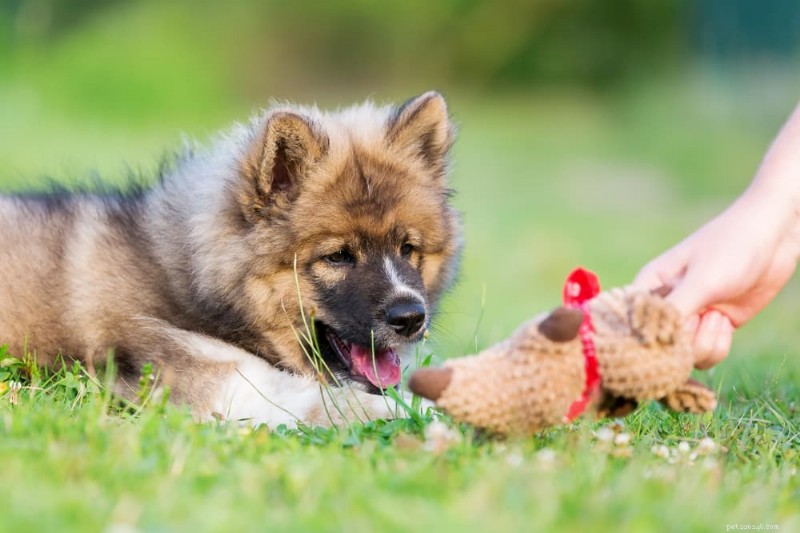
When you notice your dog sniffing or approaching feces, redirect their focus to a toy or treat. Teaching commands such as leave it or look at me and rewarding compliance immediately reinforces the desired behavior.
3. Avoid Punishment
Chasing or scolding a dog during coprophagia can reinforce the behavior and create anxiety. Positive reinforcement is the most effective approach.
4. Ensure Adequate Nutrition and Exercise
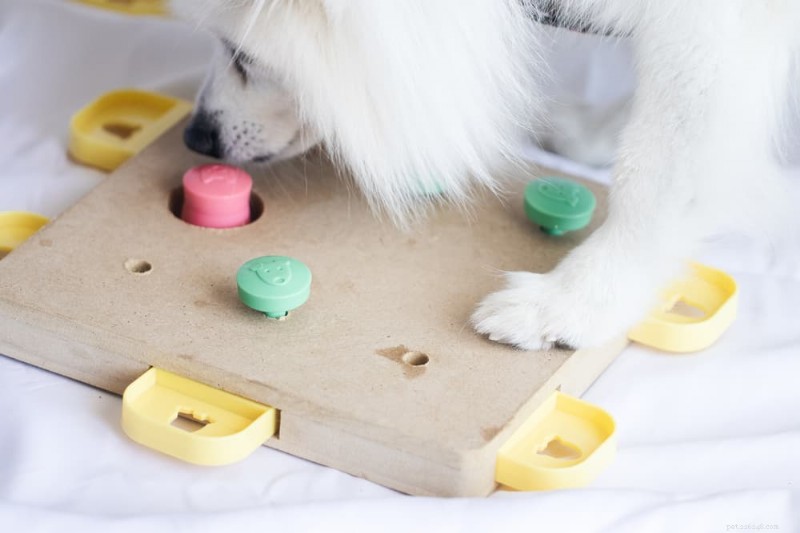
A nutritionally complete diet can mitigate the urge to seek missing nutrients. Daily exercise and mental enrichment—such as puzzle toys and interactive play—reduce boredom‑driven behaviors.
5. Consider Digestive Supplements
Products containing probiotics, digestive enzymes, or flavor‑masking powders can improve gut health and make feces less palatable. Consistency across all household pets is important for effectiveness.
6. Consult Your Veterinarian

Persistent coprophagia warrants a veterinary assessment. Bloodwork, fecal analysis, and imaging can rule out underlying disease. If medical causes are excluded, a referral to a veterinary behaviorist may be necessary.
- Pet Behavior
- Pet Breeds
- Pet Names
- Pet Adoption
- Pet Training
- Pet Information
- Pet Health
- Adorable Pets
- Dogs
- Treating Dry Skin in Dogs: Proven Tips & Remedies
- Protect Your Dog Naturally This Tick Season: Safe, Effective, Chemical-Free Strategies
- Do Drop‑Eared Dogs Hear as Effectively as Prick‑Eared Breeds?
- 12 Fascinating Fox Color Variations: Mutations & Morphs
- Why Dogs Isolate: Common Causes & How to Reconnect With Your Furry Friend
- The Complete Guide to Your Cat’s Vaccination Schedule
- DIY Dog Head Cone: Safeguard Wounds & Speed Healing