

Golden Retrievers: A Complete Guide to Their History, Traits, and Care
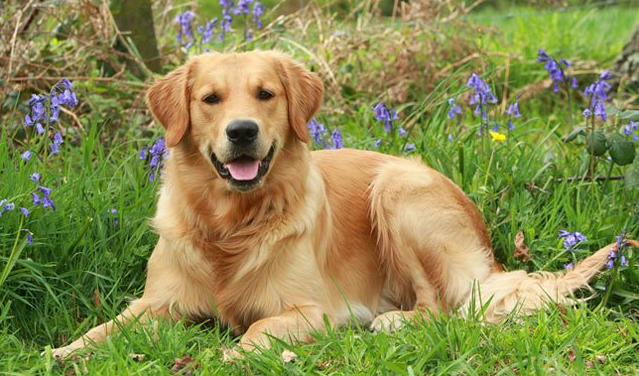
You know how you keep doubting stuff until you have firsthand experience? That was the case with me and my Zeth, a Golden Retriever Dog breed I added to my pack last year.
I’m glad I made that choice because Zeth has been a great companion to me, and also a good influence on the rest of the pack. Turns out everything I heard about this breed was true.
You should consider adopting a member of this breed too. And to help you with that decision, I have shared in this article, everything you need to know about the Golden Retriever Dog breed.
As you read, you will find its history, physique, personality, problems, and more.
Let’s start already!
Brief History Of The Golden Retriever Dog Breed
The origin of the Golden Retriever Dog breed dates back to 1835-1890 at a highland estate in Scotland.
It was Sir Dudley Majoribanks (a.k.a Lord Tweedmouth) that initiated the breed. He was a waterfowl hunter popular for breeding all kinds of animals.
At the time, he needed an even-tempered dog that would join him in his hunting and also be a loyal companion at home.
Hence he began his journey from breeding Tweed Water Spaniel descendants with Wavy and Flat-coated Retrievers, and a Red Setter. The end-products were yellow puppies which evolved to the Golden Retriever Dog breed.
This breed was first recognized by the Kennel Club in England in 1911. Then it was called “Retriever – yellow or golden”. The name Golden Retriever was officially assigned to the breed in 1920.
In 1932, the American Kennel Club recognized the breed as well. And today, the Golden Retriever is the second most popular breed in the U.S. Pretty cool, right?
Let’s keep digging!
Physical Characteristics Of The Golden Retriever Dog Breed
- Appearance: the Golden Retriever has very unique features that make it stand out and look super cute. Top on the list are:
- A well-built body of medium size
- Thick, radiant gold coat
- Broadhead with friendly and intelligent eyes, short floppy ears, and straight muzzle.
Altogether, super cute!
- Size: the Golden Retriever is about 2 feet tall and weighs between 55 and 75 pounds. Males are usually larger than females.
- Energy Level: this breed is fashioned for work. Golden Retrievers are full of energy which, their owners harness for productive activities.
(Note: they require regular mental/physical exercise to keep them at a good energy level. Else, they will quickly resort to destructive activities)
- Life expectancy: this breed lives between 10 to 12 years.
- Barking tendency: Golden Retrievers are moderate barkers. They are not very security conscious so they may not serve you well as watchdogs.
When a stranger comes close, they may bark slightly; only to become friends with them shortly. This breed is really friendly.
There’s more. Keep reading!
Personality Of The Golden Retriever Dog Breed
Here is a list of the personality traits of this breed that make them a must-have. Golden Retrievers are:
- Moderately tempered, intelligent, and kind.
- Playful and friendly
- Well behaved around children
- Sociable with other pets and strangers.
- Very obedient to their owners
- Ever ready to work.
Loving this breed already? I guess you do.
Next, we will look at how to care for this dog. A well-mannered Golden Retriever will take some efforts to groom you to know (winks).
Tag along!
How To Care For The Golden Retriever Dog Breed
1. Feeding
Like every dog, a quality diet is necessary to ensure healthy growth. A Golden Retriever’s diet should be a balanced proportion of proteins, minerals, trace elements, and vitamins.
A mixture of dry and wet food is the way to go. Dry food (usually bagged kibbles) provides your dog with an immediate supply of energy.
Wet (canned) food has great moisture content and supplies the dog with a large supply of proteins and fats. It also provides a good blend of vitamins and minerals.
Wet food is tastier than dry food with a strong aroma whereas dry food is cheaper, easier to portion, and store.
When it comes to calories, the Golden Retriever needs between 989 and 1,272 daily if it is inactive and between 1,353 – 1,740 calories for working dogs.
The weight of the dog is also put into consideration when calculating daily calorie intake.
Measuring the dog’s calorie intake is essential to avoid weight problems.
For the best choices when buying from dog food from stores, look for brands tagged “complete and balanced.”
And if you prefer homemade foods, seek the help of your vet to ensure you are putting together the right balance of nutrients for your dog’s health.
An example of homemade dog food is chopped plain cooked chicken breast + low-salt cottage cheese + canned pumpkin, or plain yoghurt with dry food.
Furthermore, water is a major component of the Golden Retriever’s diet. Biscuits also make for special treats occasionally.
2. Environment
For the Golden Retriever to be in perfect shape, he requires a positive environment. The following tips will come handy:
- He should not be left in extreme cold. He can be allowed to swim (they actually love to) but not in extreme cold or without supervision.
- An extremely hot environment is also not an option. Exercises should not be done when the sun is scorching.
- Ensure his surroundings are always clean – feeding bowls, beddings and all
- Grant him the company of children or young people. Their size may be too big to handle for older people or very small children.
3. Exercise
The Golden Retriever Dog Breed is a very active dog. Therefore, exercise should form a major part of his routine.
Outdoor exercises like running, chasing, retrieving, and swimming is the best options here.
Mapping out playtime with the dog as a dog owner is also a good idea. Golden Retrievers enjoy playing with children and other dogs as well.
An hour daily exercise time is a good start and mental exercises should be included.
Playing fetch with toys, training games, and long walks are good exercises for this breed.
4. Personal Hygiene
Another good way to care for the Golden Retriever is to help him stay clean always.
To begin with, the dog has a thick coat that will tangle if it is not brushed daily.
In addition to that, a monthly bath is recommended to keep the dog looking clean and smelling nice.
There is also a need to brush the dog’s teeth regularly: daily, 2 or 3 times weekly (as you can afford to). This will remove tartar buildup and bacteria. It will also prevent gum disease and bad breath.
The nails too! You didn’t forget, did you? Golden Retriever’s nails should be trimmed once or twice every month.
Whenever you hear those nails clicking on the floor, it’s trimming time! Be careful though, you don’t want to cut too far as there are blood vessels in the toenails so as to avoid bleeding.
You can seek the help of a vet or groomer if you are not so confident.
Now to the ears, they require cleaning as well. Their fold-over ears make it easy for bacteria and fungi to grow in. But with regular cleaning, your dog will remain safe.
Use a cotton ball dampened with a gentle, pH-balanced ear cleaner to clean your dog’s ear every week. Avoid reaching the ear canal, just the outer ear is enough.
See how it is done below.
5. Training
Training the Golden Retriever depends on the purpose of his owner. Gladly, the dog is very cooperative.
You can train the Golden Retriever for sports, rescue missions or just to be a good boy in the home. Reward-based training is the most effective method for training this breed especially if the reward is food. They love to eat.
From 7-8 weeks of age, Golden retrievers are ready to begin training. You can get some ideas from this video.
Have a blast!
Problems Associated With The Golden Retriever Dog Breed
You probably didn’t expect this wonderful breed have any problems but they do. And you know these problems if you are looking to adopt this dog.
-
Security Problems
Due to their friendly nature, Golden Retrievers will not be able to protect you from strangers.
Their love for their owners notwithstanding, they get along well with strangers. It will not be surprising if a Golden takes a stranger to the owner’s safe keep. (That bad, huh?)
There are exceptions though not good ones. Some Golden Retrievers have been found to growl around other dogs or their food bowls.
This category is termed undertrained rather than protective.
2. Health Problems
Cancer: sadly, the Golden Retriever Dog breed is very susceptible to cancer. It is quite difficult to screen a dog of cancer but your dog’s breeder will offer possible solutions.
Hip Dysplasia: characterized by the thighbone not fitting into the hip joint. It is obvious in some dogs and it is not in others. As affected dog’s age, arthritis can develop.
Elbow Dysplasia: this is a heritable condition where the 3 bones in the dog’s elbow grow differently. It can result in painful lameness but can be corrected with surgery. Some medications can also be taken to relieve pain.
Cataracts: this is a problem of the eye that can be corrected with surgery. It is characterized by cloudy spots on the eye lens that grow over time. Severe cases result in vision loss.
Progressive Retinal Atrophy (PRA): a collection of eye diseases that involves the gradual destruction of the retina. Symptoms progress from night-blindness to total blindness. Affected dogs can adapt if their surroundings stay the same.
Subvalvular Aortic Stenosis: This is a heart problem that can cause fainting or sudden death. It can be treated when discovered in time.
Von Willebrand’s Disease: This is when the dog’s blood fails to clot as it should. Symptoms are excessive bleeding after an injury or surgery, nosebleeds, bleeding gums, or bleeding in the stomach or intestines.
There is no cure but it can be managed with a blood transfusion from the blood of normal dogs.
Before you get worried about these conditions, I’d like you to know that there is a way to avoid them. Dogs with these conditions are not usually bred.
So, be sure to ask for Health clearances to prove that the dog you intend adopting has been tested for and cleared of a particular condition. E.g. a clearance from the Orthopedic Foundation for Animals (OFA) for hip dysplasia.
Also, not every Golden will suffer these conditions. This breed is usually super healthy. Therefore, you can relax.
3. Allergies
Golden Retrievers usually have food and pollen allergies that result in skin problems. These allergies can be discovered and avoided.
Consult your vet when you notice any disturbing changes in your dog’s skin.
4. Behavioural Problems
Normally, the golden retriever is known for its good behaviour but some lines of the breed display negative behaviours like:
- Resource guarding i.e. growling or biting around food and toys.
- Leash reactivity i.e. barking uncontrollably on seeing people/dogs simply because they are happy.
Such dogs require the help of a trainer or behaviour consultant.
5. Shedding
Shedding is very common with this breed. Their thick coats are water-repellant and shed once or twice per year.
As mentioned earlier, you should brush your Golden Retriever daily. It will remove loose fur and moderate shedding. A slicker brush will be very handy here.
Is The Golden Retriever Dog Breed A Good Pet?
It is indeed but owning a dog from this breed comes with its demands. I’m sure you can already tell from our discussion so far.
Golden Retrievers will show you all the affection in the world so long as you are there to receive it. They are very good companions and you will create beautiful memories when you adopt one.
However, remember to feed him well and engage him in regular outdoor exercises.
Conclusion
We have now come to the end of our discussion on the Golden Retriever Dog Breed. I hope you enjoyed your read. So tell me:
Would you adopt the Golden Retriever Dog Breed?
Or, do you already have one? What advice do you have for people seeking to adopt?
Let’s hear your thoughts in the comments right now.
And before you leave, please hit those share buttons below. Thank you!
- Pet Behavior
- Pet Breeds
- Pet Names
- Pet Adoption
- Pet Training
- Pet Information
- Pet Health
- Adorable Pets
- Dogs
- Shikoku Dog Breed: Characteristics, Care, and Training Guide
- Golden Retriever: Comprehensive Guide to Traits, Care, and Health
- Ragdoll Cats: A Comprehensive Guide to Their History, Traits, and Care
- Golden Retriever Dog Breed Guide: Traits, Care & Family Fit
- Golden Retriever: A Trusted Family Companion
- Golden Retrievers: Your Complete Guide to Traits, History, and Care
- The Ultimate Golden Retriever Guide: History, Traits & Care Tips