

Essential Daily Care Tips for Dog Owners: Nutrition, Safety, and Bonding
Is the cohabitation with a dog warm and cute?
So can you take good care of him/her and become a qualified dog owner?
Dogs are family and friends who will stay with us for many years.
Mastering some knowledge of daily care can better take care of our dog.
Here I will tell you what you need to know about caring for dogs in daily life
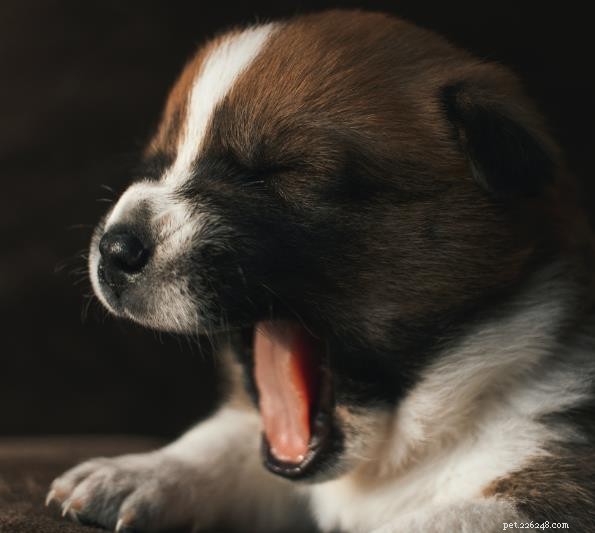
1.Foods dogs can't eat
At the same time, don’t give our food to the dog when we are eating. This will form the habit of dogs like to disturb us when we eat.
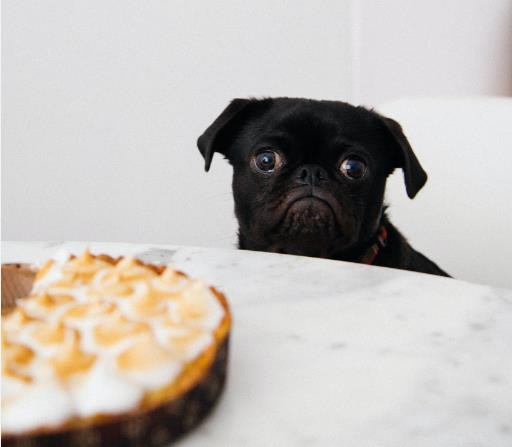
Foods that dogs can’t eat:Onions, cocoa, chocolate, raw egg whites, pits, caffeine, pears, alcoholic beverages, Poultry bones, leeks, grapes, spices.
2.The fatal diseases of dogs are canine parvovirus, canine plague and coronary or any combination of them.
Once these three diseases occur, treatment takes a lot of time and basically requires 24 hours of care and companionship from the owner. And the treatment fee is also very expensive. The fatality rate is very high, basically above 60%.
The prevention methods for these three diseases are very simple, and they can be solved by vaccination. The vaccine is vaccinated for the first time when the dog is 2-3 months old. After that, depending on the type of vaccine, it will basically require replanting once a year or every few years. Please remember the time and don’t miss it.
It is normal for some dogs to lose energy or sleep for a day after being vaccinated. It should be noted that some dogs will have an allergic reaction to the vaccine. After the vaccination, observe whether the dog's eyes and mouth are swollen and whether he has difficulty breathing. If symptoms develop, go to the hospital immediately.
Before the second dog vaccination is finished, please try not to go out with the dog. There are a large number of stray dogs on the road, and there are also many other pet dogs that have not been vaccinated.

3.Common puppy diseases-gastrointestinal diseases and allergies
Puppy has weak stomach, diarrhea, constipation, and vomiting are very common, but they should not be ignored.
*If the diarrhea is watery, especially frequent, there is an obvious special smell or blood in the stool, if you suspect Canine parvovirus, please go to the hospital immediately. If you vomit frequently or vomit blood, if you suspect Canine parvovirus, please go to the hospital immediately
If the puppy has long-term diarrhea, consider changing the dog food. It may be that the dog food is too oily or of poor quality, causing diarrhea, or the puppy is allergic to a certain ingredient.
Changing the dog food period can easily lead to gastrointestinal sensitivity and diarrhea. The recommended transitional steps for changing dog food are: initially mix the new dog food and the old dog food in a ratio of 1:3 and feed them for about 3 days; in the mid-term, the ratio of the new dog food to the old dog food is 1:1, and feed them for about 3 days; The ratio of new dog food to old dog food is 3:1, and feed for about 2 days. It can be completely replaced with new dog food afterward.
4.Dog food and nutrition
5.Sterilization and socialization training
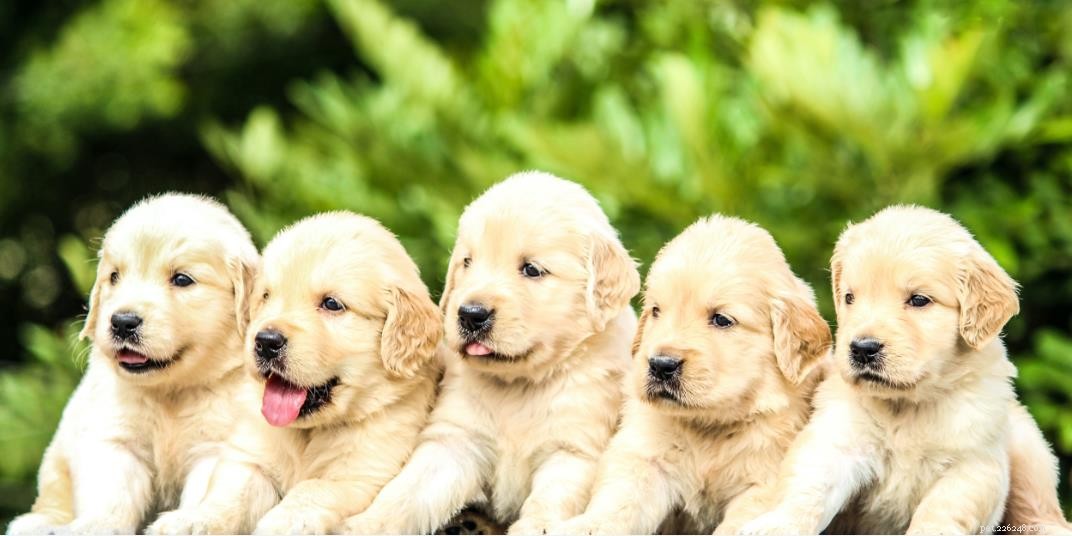
Finally, I hope this article can help you in your daily dog care process.
Hope everyone's dogs can grow up healthy and happy!!!
- Pet Behavior
- Pet Breeds
- Pet Names
- Pet Adoption
- Pet Training
- Pet Information
- Pet Health
- Adorable Pets
- Dogs
- Understanding Canine Kidney Stones: Causes, Symptoms, and Treatment
- Essential Guide to Preventing and Treating Heat Stroke in Dogs
- Essential Dog Hygiene: A Complete Guide to Healthy Grooming and Care
- Hiking with Dogs: Essential Tips for a Safe, Enjoyable Trail Adventure
- The Complete Guide to Adopting a Cavapoo
- Essential Dog Care Guide: Nutrition, Habitat, and Grooming Tips
- Protect Your Dog: Key Facts About Leptospirosis and Prevention