

Ultimate Guide to Toy Poodle Care in Singapore: Nutrition, Grooming & Exercise
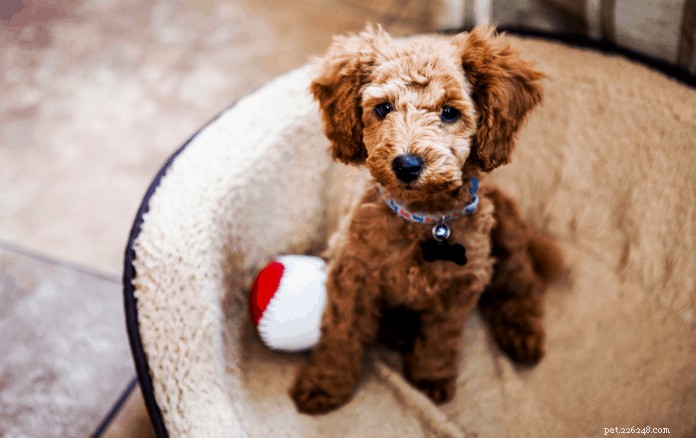
Toy Poodles are adorable small dogs that are intelligent, loyal and affectionate. In fact, it’s within the top 10 most popular breeds in Singapore!
Read on as we lay out some facts about Toy Poodles including their personality traits, how to care for them including dietary requirements, grooming needs, and possible health conditions.
*Disclaimer: The content published is for general information and should not be used as a substitute for the advice of vets. Please consult a vet on your dog’s health condition for an accurate diagnosis.
Key Traits of Toy Poodles
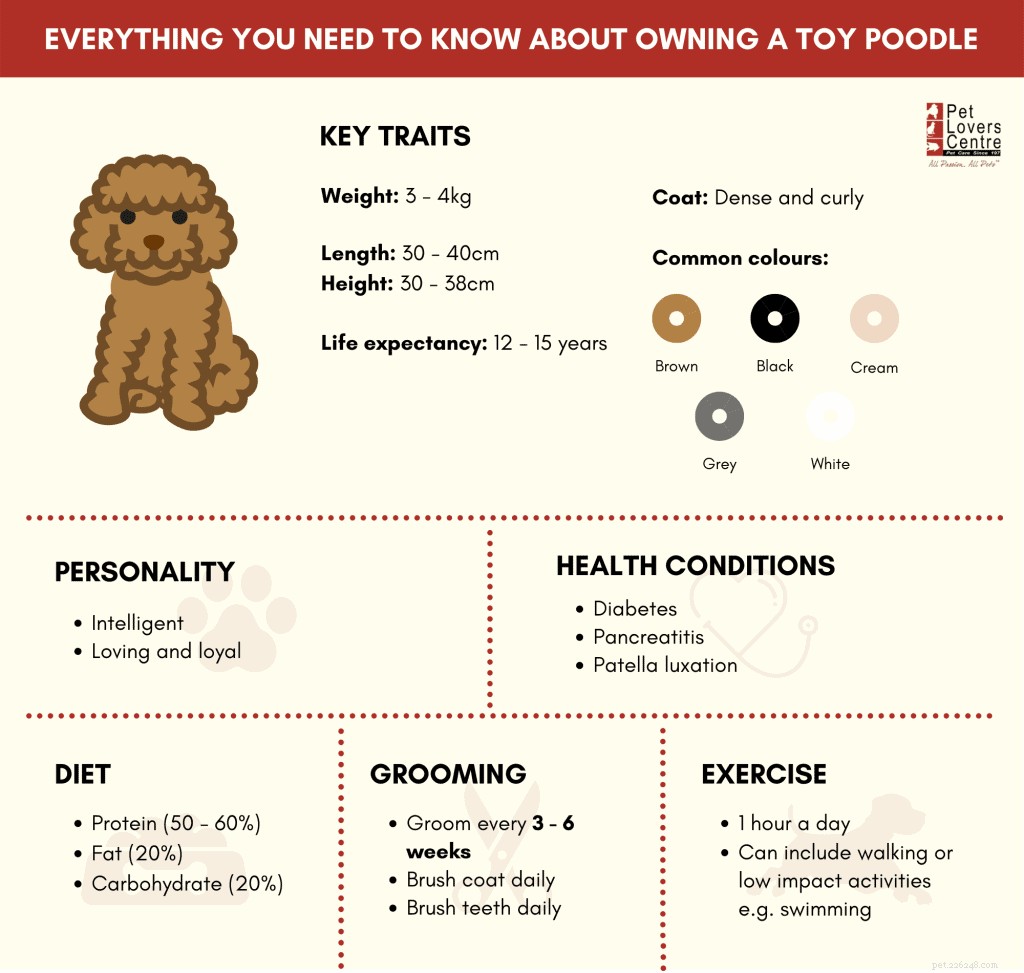
| Weight | 3 - 4kg |
| Size | |
| Life expectancy | 12 - 15 years |
| Fur coat | Single layer coat with dense and curly hairs |
| Common coat colours | Brown, black, cream, grey, white |
Personality of Toy Poodles
Intelligent
Toy Poodles are one of the smartest dog breeds in the world. Their high degree of intelligence allows them to learn things in a flash. This can be a good and bad thing — they’re easy to train, but they can also pick up bad habits quickly!
Loving and loyal
Poodles are loving and loyal, making them ideal as a family pet. They’re affectionate and enjoy cuddling with you! Plus, they’re protective and likely to bark at strangers who are approaching your home.
How to Care for a Toy Poodle in Singapore
Staying in a HDB Flat
Toy Poodles are small dog breeds that’ll grow up to a height of 30 – 38cm. This is well within the size requirements set by HDB, thus they’re HDB approved.
Grooming Needs of a Toy Poodle
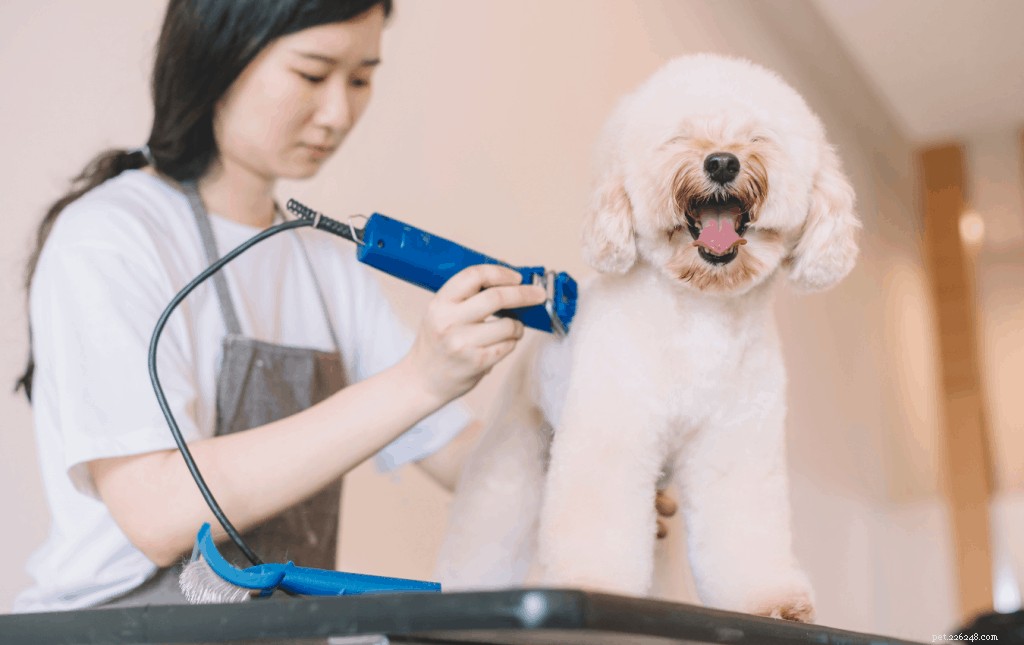
Toy Poodles are hypoallergenic and they don’t shed. This means that it’s crucial to go for grooming sessions every 3 – 6 weeks to get their coat professionally trimmed.
Here are the frequencies of each grooming activity if you wish to DIY:
| Grooming activity | Frequency | Reason (if any) |
|---|---|---|
| Hair trimming | Every 3 - 6 weeks | To keep coat beautiful as Toy Poodles’ coats grow very quickly |
| Bathing | Once a month or when she gets dirty (e.g. from playing outside) | |
| Brushing | Daily | To prevent matting |
| Teeth brushing | Daily | Small breeds tend to have overcrowded teeth so daily teeth |
| Ear cleaning | Once a week | |
| Nail clipping | Once they’re long; estimated every 1-2 months |
Exercise Needs of a Toy Poodle
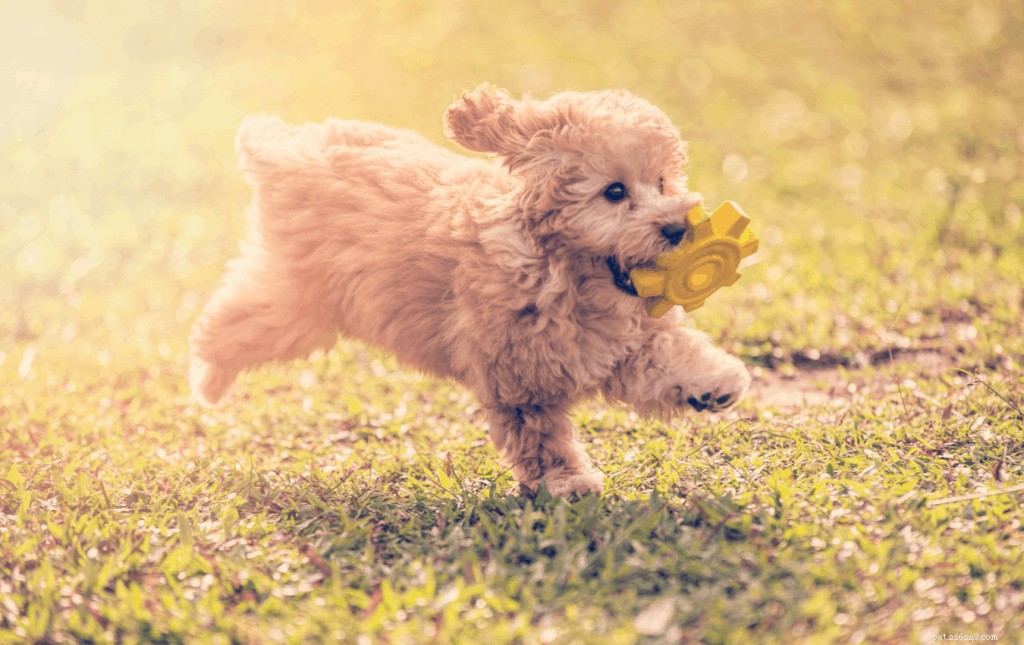
Regardless of the size and age of your poodle, it’s best to have 1 hour of exercise per day! The only difference is the pace and level of exertion, depending on your pet’s fitness level.
- Frequency
Split each day’s session to 2 x 30 minutes or 3 x 20 minutes. This gives your Toy Poodle the exercise he needs, while still providing breaks in between.
If you’re a working adult, you can do 1 session in the morning before work, 1 session after you return home from work. A third session can be done 2 hours before bedtime, so that your pup has enough time to cool down before bed.
- Type of activity
Exercise can be incorporated via a game of fetch plus a 20 – 25 minutes walk around the neighbourhood. You can also consider other low impact exercises such as swimming to avoid stressing their joints.
Toy Poodles are active breeds that enjoy a variety of activities! Keep them active to improve blood circulation, promote digestion and prevent diabetes and cancers.
Diet of a Toy Poodle
Toy Poodles should have 2 – 3 meals a day with high-quality fresh foods including carbohydrates, proteins, vegetables and healthy fats and oils. As their teeth are prone to overcrowding, it’s best to feed them a hard food diet.
Their diets should contain a healthy mix of
- protein (50 – 60%),
- fat (20%), and
- carbohydrate (20%).
The amount of total calories required should be calculated based on your Poodle’s weight, exercise routine and health condition.
How to Train a Toy Poodle
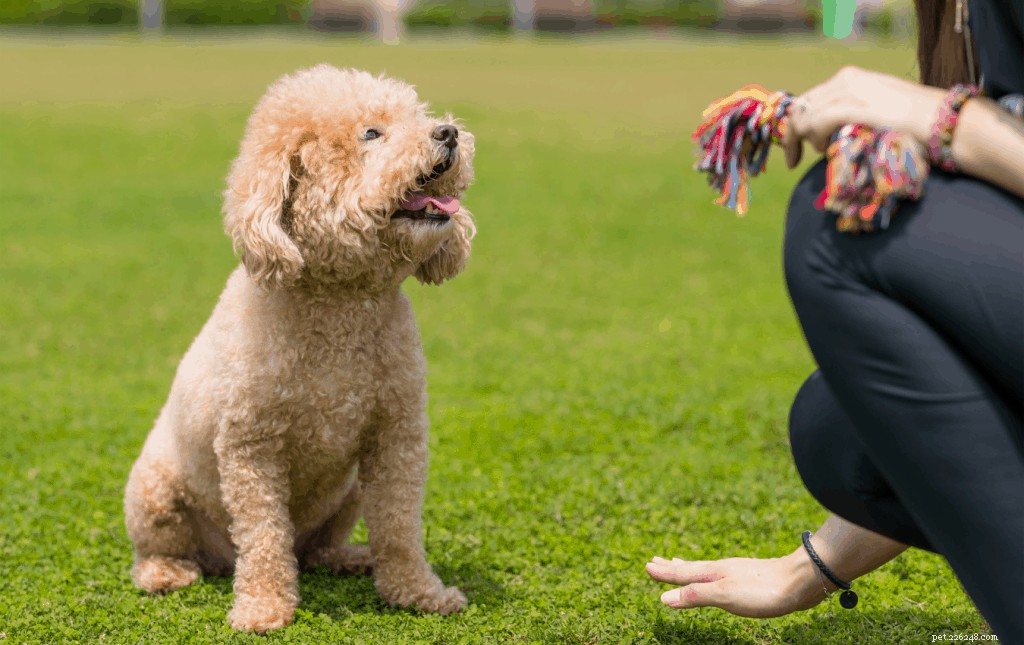
Use treats to encourage your dog
Like all dogs, Toy Poodles benefit from the use of positive reinforcement and treats during training. Some tips for reward-based training are
- Find a treat that they respond to
- Keep a small amount of treats in your palm or pouch for easy access
- Reduce the number of treats as your dog learns the commands
Be consistent
Dogs thrive in consistency and routine and this is especially true for an intelligent breed like the Toy Poodle.
- Aim for 10 – 20 minute training sessions daily
- Incorporate training commands into regular daily activities
- Use one-word commands e.g. sit, stay, down, roll
Importance of crate training
Toy Poodles are affectionate, sociable breeds that crave human interaction. Thus, they may develop separation anxiety if left alone for long periods of time.
To prevent this, Skye Parker (Dog Trainer) from My Doodle Maltipoos encourages pet parents to to crate train their Toy Poodles so they have a safe space to settle down while you’re away. Here’s how to crate train your dog:
- Give him a treat when he enters the crate, then close the door
- Sit quietly next to the crate for 5 – 10 minutes until your dog settles down
- Go into another room for a few minutes
- Come back to the crate and sit quietly again for another 10 minutes
- Let him out of the crate
- Repeat this a few times a day
This provides a positive association to going in the crate, and tells your dog that you’ll return no matter how many times or how long you’re away.
How to Socialise a Toy Poodle
Ensure vaccinations are complete
Before allowing your Toy Poodle to socialise with other dogs, ensure that their vaccinations are complete! This will prevent them from contracting any conditions.
Start early
It’s important to start socialising your Toy Poodle from 1 – 3 months of age. Expose him to other dogs as well as humans. When he’s comfortable to be around others, he can be taken anywhere and this improves his quality of life!
Start with friends’ dogs
If an aggressive dog hurts your pet at a dog park, there’s a possibility that your pet may become aggressive or fearful. Thus, a good tip would be to start socialising with your friends’ dogs. This way, you can check that their dogs are gentle-natured.
Frequently Asked Questions About Owning a Toy Poodle in Singapore
Is a Toy Poodle easy to take care of?
This small breed is smart and willing to learn. They pick up skills and habits quickly and are one of the most intelligent breeds in the world.
Like all dogs, they will need high-quality food, house training, grooming and daily exercise. One thing to note is that they do require frequent grooming to keep their coats in good condition. Do consider the cost and effort required!
Can Toy Poodles be left alone?
The Toy Poodle shouldn’t be left alone for long periods of time as they can develop separation anxiety. However, if they need to be left alone, pet parents are advised to train their Toy Poodles.
Here are some tips:
- Bring them for a walk to tire them out before you leave
- Start with leaving them alone for a short amount of time, e.g. 5 minutes, and progressively increase the time period
- Leave a treat and some toys
- Ensure that their crate is large enough for them to roam around
- Leave the light and music on so they feel less lonely
Are Toy Poodles easy to potty train?
Toy Poodles are one of the smartest and easiest breeds to train. Here are some useful tips for successful potty training:
- Identify a designated spot for your pet to relieve himself
- Consistently bring him to the designated area when he needs to relieve himself
- Observe when your pet needs to relieve himself, bring him to the designated spot immediately
- Establish a routine to take your dog to do his business
- Pet Behavior
- Pet Breeds
- Pet Names
- Pet Adoption
- Pet Training
- Pet Information
- Pet Health
- Adorable Pets
- Dogs
- Poodle Breed Guide: Features, Care, and Training Tips
- Your Comprehensive Guide to Owning and Caring for a Singapore Special Dog
- Japanese Spitz Ownership in Singapore: Care, Traits & Tips
- Corgi Care in Singapore: Expert Guide to Ownership & Well-Being
- The Ultimate Care Guide for Syrian Hamsters in Singapore
- How to Care for Large Rabbits: Hutch, Food, Exercise, and Health Tips
- Protein for Dogs: Essential Nutrition Your Canine Truly Craves