

Do Dogs Experience Cold? Understanding Their Sensitivity to Low Temperatures
Introduction
When we think about and talk about (or to!) our dogs, you may notice that about half of the names, or more even than that, have something to do with their fur! Fur child, floof, hairy monster - whatever you call your pup, there's no denying that our puppers have a great coat of hair (sometimes even better than ours!).
Dogs have evolved the way they have, i.e. with furry coats, as a way to keep warm in the winter and cool in the summer. It's definitely true that many of them, depending on the type of breed, seem to do better in the cold than us humans, since we have to bundle up so tightly when we get cold!
But many owners wonder if, because of their coats, their pupper is actually able to get cold or chilly at all. Well, the answer is yes, our doggos can get chilly just like us, which can actually get dangerous if they ever get too cold. But, just like humans, there are different things we can do to keep our dogs from getting chilly in cooler weather, so they can keep cuddling with us during those colder months for years to come!
Signs Your Dog is Feeling Chilly
Regardless of the time of year, all of our dogs need to get outside at some point to take care of their business, exercise, and get some mental stimulation. That even means during the winter, when the last thing that we want to do is go outside in the blistering cold. Just like us, our dogs can feel cold if the temperature outside is low enough so that their fur alone can't protect them. Depending on the breed of dog (and the type of coat they have), that temperature can vary greatly.
Luckily, regardless of the type of breed that you have, signs of your dog being cold are pretty much the same throughout all types. So it's easy to keep a lookout to see if your pup is starting to feel just as chilly as you are!
One of the most obvious signs of a chilly dog is trembling or shivering. In both ourselves and dogs, uncontrollable shivering is your body's attempt at keeping warm and increasing internal body temperatures. It's actually our (and our dog's) muscles contracting and expanding in bursts to get our blood movin'. So, if you see that your dog is shaking when you're outside, it's probably too cold and your dog is feeling chilly! That means it's time to get back inside as soon as you can.
Dogs that are chilly also may sleep more than usual. Prolonged exposure to cold temperatures can lead to things like hypothermia, which is when your pup's body temperature falls below what it's normally supposed to be. Unfortunately, hypothermia can lead to decreased blood flow and trouble breathing. An unusual amount of sleeping, or lethargy, is a symptom of hypothermia, since "being cold can slow a dog's body down as it causes weak or tired muscles." So keep an eye out for labored breathing, as well as a pup that is sleepier than normal - these may be signs that your dog is a chilly pooch!
If your dog is feeling chilly, they're also going to try to get as warm as possible. Puppers do this by curling in on themselves, using their own body heat in an attempt to warm themselves up. They also may hide or seek shelter away from the wind or cold as another attempt to conserve heat. They would even do both of these things if they were in the wild! Just like us, a chilly dog is going to not only try to get out of the cold, but keep themselves as warm as possible while doing so. This is a sign that their fur acts kind of like a blanket, that's why they may curl in on themselves!
Lastly, if you suspect your pup may be chilly, make sure to feel their ears, as well as the rest of their body. "If their ears feel cold, particularly around the edges, this means that their body is struggling to keep warm and it might be time to get them inside." Another way to quickly check their body temperature is to touch them underneath their coat around the belly. If they feel cold there, they are likely pretty-darn chilly and having trouble keeping their body temperature up.
The Science Behind Chilliness in Dogs
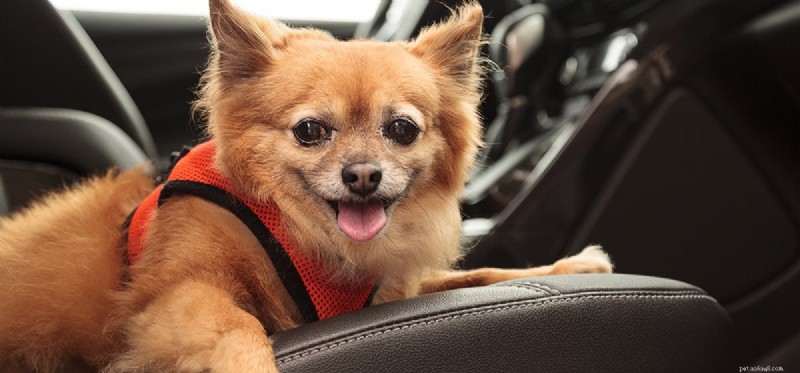
Depending on what type of breed your dog is, your pupper has evolved into what it is today as an adaptation to the environment they were primarily found in. For example, Huskies, Newfies, and Samoyeds are the most cold-tolerant because they evolved in Northern climates. They have thicker coats, sometimes even two! As a result, they're better able to withstand colder temperatures, than say, a Chihuahua, who was bred for much warmer clients and doesn't have a very thick coat.
Additionally, coat color actually plays a part in the amount of chilliness our pups can feel. Studies have shown that darker colored dogs can soak in more heat from the sun, which will obviously keep them warmer in colder temperatures. Size can also help with coldness as well - the bigger the dog, the more fat they have on their body, which means the warmer they can stay. "The smaller dogs lose heat through the more skin they have (in relation to their insides) through which they use heat. Therefore, small dogs get colder more readily than do large dogs... all other things being equal."
Additionally, science has shown that not all temperatures are created equal. For example, low wind chills can cut through a dog's coat pretty quickly, as can dampness, since a wet coat may even freeze depending on how low the temperature gets.
Training Your Dog to Do Better in the Cold
Basically, dogs that are used to cold temperatures can handle them better than pups that aren't. If you've moved to a colder area, climate change is really starting to get ya, or there's a snowstorm coming and you know you're going to need to get outside a lot, there are certain things that we can do to help your dog do better in the cold. Expose them (safely!) to colder weather, and eventually, they'll get used to being outside in certain temperatures.
You can also train your dog to like high-intensity exercises since heavy activity can keep the blood flowing and provide extra body heat. You can do this in the same way - expose your dog to things like running, long games of fetch, and other activities that keep their body moving. Once they're used to and like this kind of stuff, it'll be easier to keep them warm when the temperature is a little cooler outside!
- Pet Behavior
- Pet Breeds
- Pet Names
- Pet Adoption
- Pet Training
- Pet Information
- Pet Health
- Adorable Pets
- Dogs
- Do Dogs Experience Emotions? Understanding Their Feelings
- Do Dogs Experience Betrayal? Exploring Canine Emotions
- Do Dogs Experience Betrayal? Understanding Their Emotional Capacity
- Can Dogs Experience Harmony? Understanding Their Social Balance
- How Do Dogs Perceive Cold Weather? A Guide to Their Temperature Sensitivity
- Do Dogs Feel Cold in Their Feet? Understanding Canine Paw Comfort and Health
- Do Dogs Experience Cold Weather? Tips to Keep Your Pup Warm & Healthy