

How to Stop Your Puppy From Tugging on Your Clothing: Proven Strategies for Calm Walks
This post may contain affiliate links. We may earn money or products from the companies mentioned in this post.
When you first bring Max home, you imagine him trotting by your side in perfect heel position. Instead, you find yourself being pulled along by a puppy eager to tug on your pants leg. The good news is you can protect your wardrobe and guide Max toward calmer, safer interactions.
In this guide, we’ll explore the root causes of puppy tugging, and we’ll provide step‑by‑step methods that combine proven training techniques, enrichment, and environmental management to stop the behavior before it becomes a habit.
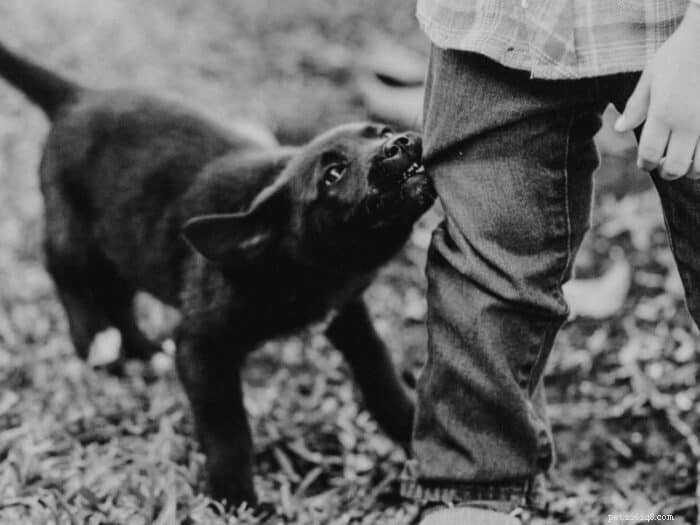
Why Puppies Tug on Clothing
Puppies use their mouths to explore—everything within reach becomes a potential chew or play object. Clothing is soft, scented, and often within arm’s reach, making it an attractive target. The underlying reasons include:
- Teething Relief: Growing teeth can cause discomfort, prompting puppies to chew on anything that provides relief.
- High Energy: Lack of physical outlet often leads to excessive mouthing and tugging.
- Fatigue: Over‑exhausted pups may act out in frustration, similar to a tired toddler.
- Entertainment and Play: Tugging can be a playful attempt to engage you, especially when no other toys are available.
- Breed‑Specific Instincts: Herding breeds (e.g., Shelties, Aussies) may try to “herd” you, while retrievers and terriers often seek to keep something in their mouth.
- Attention Seeking: A tug can be a request for your focus, especially when you’re busy.
- Exploration: Puppies learn about textures and shapes primarily through their mouths.
- Over‑stimulation: Loud noises, people, or other dogs can trigger a tug as an outlet for excitement.
- Unintentional Reinforcement: If you respond positively or react excitedly to a tug, the puppy learns it’s rewarding.
- Zoomies or Hyperactivity: Sudden bursts of energy may lead to impulsive grabbing.
Effective Strategies to Stop Tugging
Combining training, enrichment, and environmental adjustments is key. Below are 13 actionable steps—use as many as needed based on your pup’s personality and breed.
1. Interrupt Immediately When Tugging Begins
Stand still, avoid eye contact, and use a firm “no” or “hey.” When Max removes his teeth from your clothing, reward him with a toy or a short play session. Consistency signals that tugging is unacceptable.
2. Provide Adequate Physical & Mental Exercise
Tailor exercise to age and breed: high‑energy breeds may need 30–60 minutes of active play daily, while toy breeds can manage with shorter sessions. Complement walks with puzzle toys, flirt poles, and obedience drills to burn mental energy.
3. Structure Play, Walks, and Rest
Maintain a predictable schedule. If you’re unavailable, enlist a dog walker or a trusted friend to meet Max’s needs, preventing boredom‑induced tugging.
4. Teach Core Obedience Commands
Key cues include:
• Leave It: stops him from picking up anything, including your clothing.
• Drop It / Give: encourages releasing objects.
• Look / Attention: directs his focus to you.
• Heel: keeps him next to you, not in your garments.
• Come, Sit, Down: foundational for impulse control.
5. Build Impulse Control Through “Settling” Exercises
Teach Max to “settle” on a designated spot—like a bed or mat—before you engage in play. Use treats to reinforce calmness. Over time, he learns to remain still without tugging.
6. Reward Desired Behavior Consistently
When Max stays calm or redirects to an appropriate toy, praise with “good settle” and give a small treat or a safe chew. Positive reinforcement is far more effective than punishment.
7. Use a Mild Interrupter
A simple “hey” or “stop” spoken calmly when Max lifts his teeth can serve as an interrupter. Follow it immediately with a toy or a cue to redirect.
8. Redirect to Acceptable Items
Keep a selection of chew toys and stuffed Kongs handy. Whenever Max’s mouth starts to wander toward your clothing, offer a toy first. This gives him a legitimate target.
9. Allow Rest When Exhausted
Over‑exhausted puppies behave impulsively. Provide a quiet, safe space—such as a crate or a shaded corner—with a familiar toy to encourage a nap.
10. Use Brief Time‑outs When Over‑Stimulation Persists
For very overstimulated pups, a short (≤10 min) time‑out in a non‑penalizing area (e.g., laundry room) can help them calm. Return him to the familiar environment only after he’s composed.
11. Manage the Environment Proactively
Keep clothing out of reach and reduce stimuli that may trigger tugging. Supervise interactions with children and other dogs to prevent accidental tugging.
12. Apply a Chew Deterrent on Clothing (When Needed)
Before a new pair of jeans becomes a target, spray a safe deterrent (e.g., Bitter Yuck) on the hem. Use this only on unimportant clothing to avoid damage.
13. Employ Calming Aids If Required
Products like a ThunderShirt, Adaptil spray, or calming music can reduce anxiety and hyperactivity. Use them as part of a comprehensive behavior plan.
When Professional Guidance is Beneficial
If home‑based techniques aren’t yielding results, consult a certified trainer experienced in puppy behavior. A professional can provide individualized strategies and reinforce positive habits.
What to Avoid
- Do not over‑stimulate with toy‑like clothing or play. Keep play grounded in safe dog toys.
- Avoid rewarding tugging by giving attention or pulling back. This reinforces the behavior.
- Avoid physical corrections or intimidation—these can lead to fear, aggression, and hand‑shyness.
- Refrain from screaming or roughhousing with the puppy, as this can amplify excitement and fear.
- Never use clothing as a toy; offer appropriate chew items instead.
FAQs
My puppy has already ruined a few pairs of pants—should I push him away?
No. Pushing can cause fear or aggression. Instead, ensure he’s had sufficient exercise and reinforce “leave it” and “drop it” commands.
We used to give him old socks—now he pulls them from my feet. What should we do?
Stop providing clothing as a toy. Offer durable chew toys and reinforce that socks are off‑limits.
My puppy pulls on toddlers’ clothes during play. How do I protect the kids?
Never leave the puppy unsupervised with children. After sufficient exercise, teach the puppy calm obedience cues and reward calm behavior around kids.
Final Thoughts
Puppies explore with their mouths, and tugging is a natural, albeit sometimes destructive, expression of that curiosity. By identifying the underlying triggers and applying consistent, positive training methods, you can protect your wardrobe and nurture a respectful, well‑behaved companion.
Have you successfully stopped your puppy’s tugging? Share your experiences in the comments below.
Save to Pinterest
Top Picks For Our Puppies
- BEST DOG CHEW
We recommend Beef Collagen Sticks—widely loved for their palatability and gentle texture. - BEST PUPPY TOY
Calmeroos Puppy Toy w/ Heartbeat and Heat Packs—ideal for soothing anxiety in new homes. - BEST DOG TREATS
Crazy Dog Train‑Me Treats—high‑value treats that help reinforce training cues. - BEST FRESH DOG FOOD
The Farmer's Dog—premium fresh food; enjoy 50% off your first order.
Discover more favorites on our New Puppy Checklist.
Debbie DeSantis
CPDT‑KA, Certified Professional Dog Trainer and Behavior Specialist. Winner of Channel 17's Philly Hot List #1 Dog Trainer. Debbie has over 24 years of experience training nationally ranked dogs across obedience, rally, agility, trick, and therapy disciplines.
- Pet Behavior
- Pet Breeds
- Pet Names
- Pet Adoption
- Pet Training
- Pet Information
- Pet Health
- Adorable Pets
- Dogs
- How to Help Blind Dogs Thrive: A Guide for Owners
- Discover the Delightful World of Corgi Puppies: Facts & Adorable Photos
- Why Do Male Cats Spray? Causes, Signs, and How to Stop It
- Why Does a Dog Develop a Lump After Tick Removal? Symptoms, Causes, and Care
- How to Successfully Introduce a Female Dog to Two Male Companions
- Explore the 21 Distinct Colors of Shar‑Peis – Comprehensive Guide & Photos
- Hedgehogs and Fleas: What Every Owner Should Know