

What Is a Vizsla? The Ultimate Guide for Active Families
This post may contain affiliate links. We may earn money or products from the companies mentioned in this post.
While training my second guide‑dog puppy, Derby, I wondered: What exactly is a Vizsla?
It was during a 2008 Orange County Transit Authority (OCTA) Service Dog Training Day that the question struck me. Derby was on a bus to Knott’s Berry Farm, and we met a cadaver‑dog trainee who was unmistakably a Vizsla—a breed rarely seen among the Labradors and Golden Retrievers in training.
That encounter sparked a lifelong curiosity. Today I’m sharing everything I’ve learned about this remarkable breed.
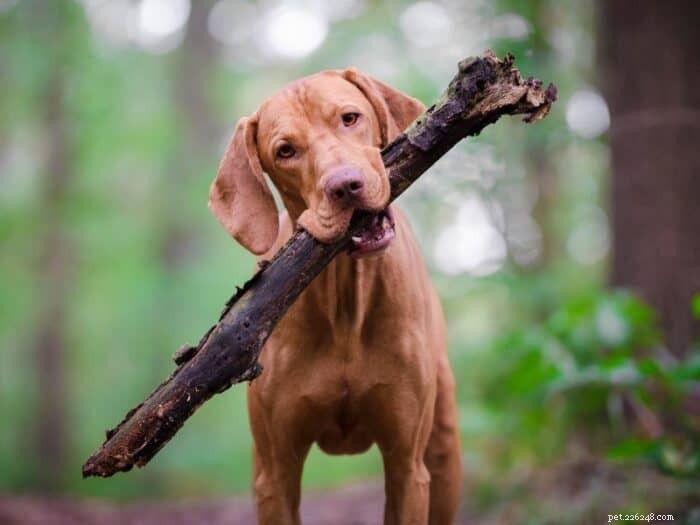
What Is a Vizsla?
The Vizsla, often called the Hungarian Pointer, is a natural hunter known for its keen nose and outstanding trainability. Historically bred for field, forest, and water work, the breed combines speed, endurance, and an affectionate, gentle temperament.
Main Characteristics
Size & Build
| Sex | Height | Weight |
|---|---|---|
| Male | 22–24 in | 55–60 lb |
| Female | 21–23 in | 45–55 lb |
Energy Level
Vizslas are one of the most energetic sporting breeds. Owners consistently report that these dogs can run for hours and require a minimum of one to two hours of vigorous exercise each day to stay balanced.
Color
The American Kennel Club recognizes a single coat color: Golden‑Rust. Vizslas are solid, without any markings.
Health & Longevity
With proper care, Vizslas live an average of 12–14 years. Responsible breeders screen for:
- Hip Dysplasia (OFA evaluation, 24 months or older)
- Autoimmune Thyroiditis (OFA evaluation)
- Ophthalmic health (board‑certified ACVO ophthalmologist)
- Elbow Dysplasia (OFA, 24 months or older, optional)
- Hip Dysplasia (PennHip, 24 months or older, optional)
- Cardiac screening (board‑certified/ACVIM cardiologist, 12 months or older, optional)
Breeds may also develop epilepsy, lymphosarcoma, and various skin conditions.
Temperament & Social Needs
Vizslas are lively, loving, and gentle—qualities that make them exceptional hunting partners and family companions. Their history as “walking gentleman’s shooting dogs” means they retain high energy and a strong drive to work.
Key points:
- They thrive on companionship and can become anxious or destructive if left alone for long periods.
- They are excellent watchdogs, friendly with strangers but may show caution toward unfamiliar dogs.
- They are natural chasers, so leashes or fenced areas are essential when outdoors.
- They adapt well to apartment living provided they receive ample exercise and mental stimulation.
- Early, continuous socialization (from puppyhood through two years) helps mitigate shyness toward strangers and new experiences.
Training success is best achieved with positive reinforcement; punitive methods can undermine their willingness to learn.
Grooming & Care
The Vizsla’s coat is short, smooth, and dense, making it low‑maintenance. Regular care includes:
- Weekly brushing with a curry or soft‑bristle brush to reduce shedding.
- Seasonal “blowing” in spring and fall, when the coat sheds heavily—brushing more frequently during these times.
- Cleaning ears and trimming toenails regularly; keeping teeth brushed to prevent dental disease.
Bathing is occasional; many owners prefer a damp cloth for quick freshening.
Nutrition
Feeding requirements vary by age, activity, and food quality. A typical adult Vizsla consumes 3–4 cups of high‑quality dry food per day, split into two meals. Provide fresh water at all times and avoid free‑feeding.
Costs
Purchase prices range from $600 to $2,000, depending on breeder reputation and lineage. Adoption from rescue organizations usually costs $200–$500. Ongoing expenses include food, grooming supplies, and routine veterinary care.
Similar Breeds
- German Shorthaired Pointer
- Weimaraner
- German Wirehaired Pointer (distinct temperament)
- Pointer (general class)
Final Thoughts
Vizslas are among the most fascinating breeds I’ve encountered. Their blend of athleticism, loyalty, and affectionate nature make them ideal partners for active families and, potentially, for specialized roles like service dogs.
If you own or love a Vizsla, share your experiences in the comments below.
Save to Pinterest

Top Picks for Our Puppies
- Best Dog Chew
We recommend Beef Collagen Sticks—simple, healthy, and a great diversion for chewing. - Best Puppy Toy
Calmeros Puppy Toy with heartbeat and heat packs—perfect for easing new‑home anxiety. - Best Dog Treats
Crazy Dog Train‑Me Treats—high‑value rewards for training sessions. - Best Fresh Dog Food
The Farmer’s Dog—our family’s go‑to for a wholesome, human‑grade diet.
Explore more of our favorite products on our New Puppy Checklist.
- Pet Behavior
- Pet Breeds
- Pet Names
- Pet Adoption
- Pet Training
- Pet Information
- Pet Health
- Adorable Pets
- Dogs
- How Dogs and Llamas Can Coexist: Tips for a Harmonious Household
- Preventing Toad Poisoning in Dogs: Key Tips for Safe Outdoor Play
- Field Study Reveals Surprising Snake‑Frog Predatory Interactions
- 12 Ancient Chinese Dog Breeds & Their Rich Histories
- Finding a Qualified Veterinarian for Your Chameleon: A Practical Guide
- Scottie Dogs: From Fox Hunters to Royal Companions – A Complete History
- Leonard Bowling Ball: The Ragdoll Who Captures Hearts