

How to Stop Your Dog from Peeing in Her Crate: A Proven Crate‑Training Guide
This post may contain affiliate links. We may earn money or products from the companies mentioned in this post.
Many new puppy owners wonder, “How can I get my dog to stop peeing in her crate?” We’ve received this question repeatedly through our blog, email, and social media channels.
Before adopting our first puppy, we read extensively about puppy training. One of the most reliable resources we recommend is Puppies for Dummies. It was the first book I studied before bringing Linus home from the Carson Animal Shelter.
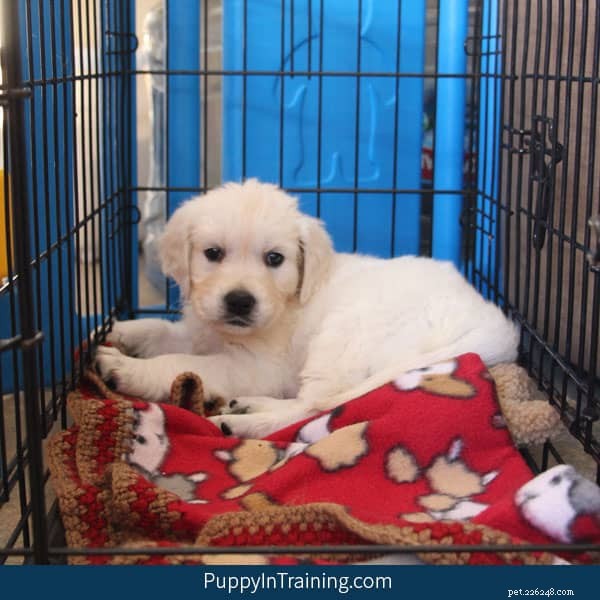
Over the past decade, we have rescued, fostered, and trained dozens of puppies—including 11 guide and service dogs—and we’re passionate about sharing what we’ve learned.
We answer hundreds of puppy‑related questions each month. Starting this year, we’re consolidating the most common queries on our blog to create a reliable resource for new owners.
QUICK ACCESS: If you’re struggling with puppy training, join our Puppy Training Tips email list for instant access to our New Puppy Owner Checklist PDF. CLICK HERE.
Let’s dive into the most frequent crate‑training issue: accidental urination or defecation inside the crate.
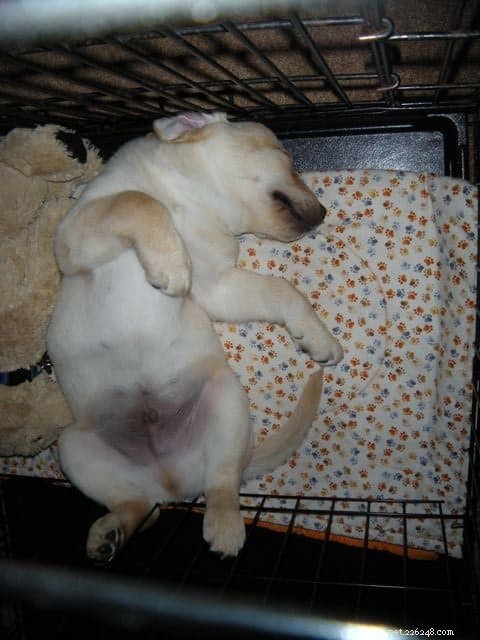
Common Question
“I’m crate‑training my 9‑week‑old Boxer puppy. She pees and poops in the crate overnight and whines to be let out. How should I handle this?”
Answer
At nine weeks, a puppy’s bladder control is still developing. Accidents are normal, but the goal is to eliminate them. Start by examining why your puppy is having accidents.
Why Your Puppy Is Accidental‑Pottying in the Crate
- Crate Too Large
If the crate is larger than necessary, your puppy can designate one corner for sleep and another for elimination. A crate should fit just enough for the puppy to stand, turn, and lie comfortably. The MidWest Life Stages Double Door Crate offers a divider to adjust size as she grows.
- Previous Crate Use
Some puppies learn to eliminate in a kennel or crate before you bring them home—especially if they come from pet stores or irresponsible breeders. Even responsible breeders sometimes start potty training before the puppy reaches home.
- Health Issues
Unusual or frequent accidents can signal a urinary tract infection or other medical problem. A veterinary check‑up is advisable if you notice persistent issues.
Step‑by‑Step Crate and Potty Training
Key principles:
- Limit crate time to no more than three hours during the day. Over‑crating increases the risk of accidents.
- Keep the crate clean and odor‑free. Use an enzymatic cleaner like Puppy In Training’s Stain & Odor Eliminator to eliminate residual scents that attract repeat urination.
- Establish a consistent feeding schedule. A predictable meal routine leads to a predictable potty routine.
- Always take your puppy out just before bedtime. Ensure she has an opportunity to relieve herself before being placed in the crate for the night.
- Set a nighttime routine. If she’s still prone to overnight accidents, wake her two to three times during the night to go outside. Each time she eliminates, return her to her crate promptly.
- Avoid placing soft bedding or towels in the crate, as puppies often prefer the firm surface for elimination.
Professional Guidance
Consult your local veterinarian and certified dog trainer. They can rule out medical issues and provide personalized training strategies. Enrolling in a puppy kindergarten is also beneficial—it offers socialization, basic obedience, and a chance to ask questions in a supportive environment.
Takeaway Summary
- Don’t overuse the crate—limit daytime crating to 3 hours.
- Keep it spotless—clean all accidents thoroughly with an enzymatic cleaner.
- Maintain a schedule—consistent meals lead to consistent potty times. Log her meals, drinks, and elimination times to spot patterns.
With patience and consistency, most puppies learn to respect crate boundaries. If you’re still facing challenges, feel free to reach out with your specific situation.
Related Article
- My Dog Hates Her Crate! Are There Alternatives To Crate Training?
Save to Pinterest
Top Picks for Our Puppies
- BEST DOG CHEW
We recommend Beef Collagen Sticks—pups love them, and they help redirect chewing. - BEST PUPPY TOY
Calmeros Puppy Toy with Heartbeat and Heat Packs—great for easing new‑home anxiety. - BEST DOG TREATS
Crazy Dog Train‑Me Treats—high‑value treats perfect for guide‑dog training. - BEST FRESH DOG FOOD
The Farmer’s Dog—our current favorite. Get 50% off your first order.
Explore more of our favorites in the New Puppy Checklist.
- Pet Behavior
- Pet Breeds
- Pet Names
- Pet Adoption
- Pet Training
- Pet Information
- Pet Health
- Adorable Pets
- Dogs
- Is Your Dog Urinating Indoors? Common Causes & Solutions
- Cute Golden Retriever Puppies Try to Sit for Food—Wiggle for Fun!
- Why Dogs Favor Certain People: Understanding Canine Attachment
- Why Do Dogs Eat Grass? Understanding the Behavior
- Effective Strategies to Ease Your Dog’s Separation Anxiety
- Mastering Puppy Training: Expert Tips for New Dog Parents
- Baking Soda: Safe, Versatile Uses for Your Dog