

Top Dog Digestive Supplement: Natural Relief for Bloat, Gas, and Loose Stools

Expert‑Backed Digestive Support for Your Dog: Say Goodbye to Bloat, Gas, and Loose Stools
Chronic gas, unpredictable loose stools, or a bloated belly after meals can be a daily source of worry. Even when you feed quality food, walk regularly, and schedule routine vet visits, these symptoms often persist—because the root cause lies in the gut.
Digestive issues are one of the most under‑reported health concerns in dogs, partly because owners accept a certain level of GI “noise” as normal. Persistent bloating, irregular stools, and gurgly tummies are clear signals that the gut isn’t balanced. Fortunately, the right dog supplement can bring lasting relief—without medication or guesswork.
In this guide we’ll explore the science behind canine gut health, explain what truly works, and help you choose a supplement you can trust.
Why So Many Dogs Experience Digestive Problems—and Why It’s Often Overlooked
Gastrointestinal disorders account for a significant share of veterinary visits each year. Yet for every dog that ends up in the clinic, dozens more have owners who attribute symptoms to a “sensitive stomach” or a quirky temperament. Most mild‑to‑moderate issues have identifiable causes—many of which are addressable with targeted support.
The Role of Gut Microbiome Imbalance
The dog’s gut houses trillions of microbes. When this community is diverse and balanced, digestion runs smoothly, nutrients are absorbed, and the immune system stays regulated. Research in Frontiers in Microbiology confirms that gut microbiota are critical to digestion and immune function, and that dogs with GI disease exhibit measurable changes in microbiome composition.1
When the microbiome falls out of balance—dysbiosis—gas‑producing bacteria can overpopulate, protective strains diminish, and the gut lining becomes more permeable, triggering inflammation. Texas A&M researchers have shown that dysbiosis alters metabolites, including short‑chain fatty acids and key amino acids, affecting digestion, immunity, and overall health.10,12
The result? The bloating, loose stools, excess gas, and low energy you see.
How Diet Transitions, Antibiotics, and Stress Disrupt Digestion
Common daily factors can upset the gut microbiome:
- Diet transitions: Rapid changes don’t allow bacteria to adapt. A 7–10‑day gradual transition is ideal.4
- Antibiotics: While lifesaving, antibiotics like metronidazole significantly alter the canine gut microbiome, reducing beneficial bacteria and increasing inflammatory strains such as E. coli.9
- Stress: The gut‑brain axis is bidirectional. Stress activates the HPA axis, affecting motility, permeability, and microbial composition—so travel, boarding, or a routine change can physically affect the gut.4
- Age: Senior dogs and large breeds often produce fewer digestive enzymes and have less microbiome diversity, increasing GI vulnerability.
Understanding these triggers is the first step; the next is giving your dog what it truly needs to recover and maintain balance.

The Probiotic and Prebiotic Team: How They Work Together
Probiotics are no longer just yogurt. A quality dog supplement delivers specific strains in high enough doses to survive gastric transit and colonize the gut.
Strains That Actually Make a Difference for Dogs
Not all probiotic strains are equal. The most promising for canine gut health are from the Lactobacillus and Bifidobacterium families. Frontiers in Microbiology confirms that strains isolated from canine feces have strong acid and bile tolerance, allowing them to reach the lower GI tract.14
Cornell University notes that about 70% of a dog’s immune system resides in the GI tract, placing probiotics at the frontline of both digestion and immunity.3 Specific strains—Lactobacillus acidophilus supports small intestinal health and nutrient absorption; Bifidobacterium animalis improves stool consistency and reduces transit time.5
The strain matters more than the total count. A multi‑strain product with well‑researched CFU levels outperforms a high‑CFU product with a single, poorly studied strain.
Prebiotics: Feeding the Good Bacteria Already in Your Dog’s Gut
Prebiotics are non‑digestible fibers that nourish beneficial bacteria. Think of probiotics as seeds and prebiotics as fertilizer. An Italian Journal of Animal Science review found that prebiotics enhance probiotic effects when combined into a synbiotic.13
A randomized controlled trial in Animal Microbiome showed that dogs given a synbiotic of probiotics and inulin experienced measurable microbiota shifts versus placebo, proving the combined approach outperforms either component alone.6
Combining probiotics with prebiotics not only adds good bacteria but also creates an environment where they thrive and persist.
Digestive Enzymes: The Often‑Missing Piece
Many supplements focus solely on bacteria, ignoring the essential role of enzymes. Even a balanced microbiome can’t compensate for insufficient enzyme activity.
Amylase, Protease, Lipase: What Each One Does
The three key enzymes for dogs are:
- Amylase: Breaks down carbohydrates and starches into sugars. Unlike humans, dogs lack salivary amylase, so intestinal amylase carries the full load.5
- Protease: Converts protein into amino acids. Inadequate protease leads to fermenting protein, a primary driver of gas and loose stools.11
- Lipase: Hydrolyzes dietary fats into fatty acids and glycerol. Lipase is essential for fat‑soluble nutrient absorption and maintaining healthy triglyceride levels.7
With adequate enzymes, food is efficiently broken down, nutrients absorbed, and the gut doesn’t overwork.
Why Many Dogs Don’t Produce Enough on Their Own
Enzyme production declines with age. Commercial ultra‑processed pet foods intentionally lack enzymes for shelf life, and high‑temperature processing destroys any live enzymes.2 This places the full enzymatic burden on the pancreas.
Dogs with exocrine pancreatic insufficiency (EPI) produce none of these enzymes, making digestion impossible without supplementation.7 Even dogs without EPI can suffer partial insufficiency, manifesting as a chronic “sensitive stomach” that worsens over time.11
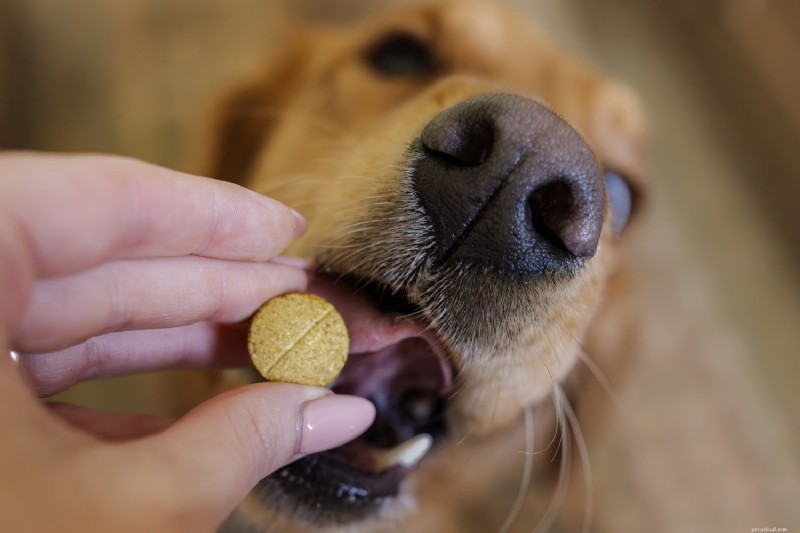
What to Look for in a Digestive Support Supplement
Choosing a supplement can be overwhelming. Here’s how to evaluate with confidence.
CFU Counts, Strains, and Shelf Stability
CFU (colony‑forming units) indicates live bacteria per dose. The label only matters if bacteria remain viable at expiration, not just at manufacturing. Look for guaranteed CFU at expiry.
Thermostable Bacillus strains survive heat‑based processing, while Bifidobacterium and Lactobacillus require careful formulation. Shelf‑stable formulas using encapsulation or freeze‑drying preserve potency during shipping and storage.10
Also consider strain diversity. A formula with five or more well‑documented strains offers broader gut benefits than a single‑strain product.
Red Flags: Artificial Sweeteners and Fillers That Worsen GI Issues
Xylitol is toxic to dogs, causing hypoglycemia and liver failure. It appears in some chewable supplements, so read labels carefully.8
Watch for these additional red flags:
- Wheat, corn, or soy fillers: Common allergens that can worsen GI symptoms.
- Artificial colors and preservatives: No functional benefit; potential immune reactivity.
- Vague “proprietary blends”: Without disclosed amounts, you can’t assess therapeutic potency.
The best products feature clean, transparent labels with disclosed amounts for every active ingredient.
Vetericyn ALL‑IN: A Comprehensive Digestive Health Formula
Vetericyn ALL‑IN Multifunctional Dog Supplements were engineered around these principles, reflecting a sophisticated understanding of canine gut biology.
How the Combined Probiotic‑Enzyme‑Fiber Approach Addresses Root Causes
Rather than treating digestion as a single‑ingredient problem, the ALL‑IN formula adopts a systems approach:
- Probiotics: Multi‑strain blend of clinically relevant Lactobacillus and Bifidobacterium strains, dosed for meaningful colonization.
- Digestive Enzymes: Amylase, protease, and lipase support efficient breakdown of carbohydrates, proteins, and fats—crucial for aging dogs, processed‑food eaters, and those recovering from GI stress.
- Prebiotic Fiber: Fuels the probiotic strains, creating a synbiotic effect that promotes lasting gut health.
Most single‑purpose supplements target only one variable. ALL‑IN addresses the entire gut ecosystem.
Its formulation is free of artificial sweeteners, synthetic fillers, and vague proprietary blends, giving dog owners peace of mind.
What Dog Owners Report in the First 2–4 Weeks
Owners typically observe:
- Weeks 1–2: Reduced gas and bloating after meals; stools firming up.
- Weeks 2–4: Increased energy and improved coat quality—indicators of better nutrient absorption.
- Beyond 4 weeks: Sustained regularity, reduced GI sensitivity during stress (travel, boarding), and overall resilience.
These changes result from an improved gut environment, not merely symptom masking.
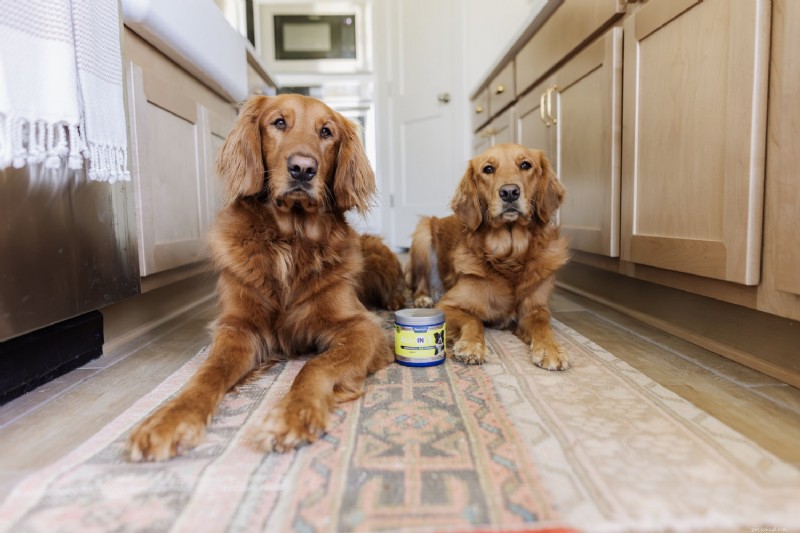
When Digestive Issues Require Veterinary Care, Not Just a Supplement
Not every GI problem can be resolved with a supplement.
Seek veterinary care if your dog shows:
- Bloody or tarry stools—possible GI bleeding.
- Vomiting with bloating—especially in large or deep‑chested breeds, a potential sign of gastric dilatation‑volvulus (GDV).
- Sudden, severe diarrhea with lethargy or loss of appetite.
- Significant weight loss alongside GI symptoms.
- Symptoms persisting beyond 2 weeks despite diet changes and quality supplementation.
Vetericyn ALL‑IN is a powerful tool for supporting gut health in otherwise healthy dogs and aiding recovery from microbiome disruption, but it does not replace veterinary care when a serious condition is suspected.
The Bottom Line
Chronic gas, bloating, and loose stools are not normal—they signal a gut out of balance. The science clearly supports a combined approach: clinically relevant probiotic strains, prebiotic fiber, and digestive enzymes to fill gaps from diet and aging.
Vetericyn ALL‑IN offers a clean, transparent formula that meets these criteria, without fillers or artificial additives that can worsen GI problems.
If your dog is struggling with digestive discomfort, consider a science‑backed, effective supplement like ALL‑IN. Your pet’s gut—and your peace of mind—will thank you.
The Vetericyn Team
Vetericyn is committed to creating the safest, most effective, and innovative animal wellness products worldwide. We strive to earn your trust and continually find new ways to give back to the animal community.
FAQs
How long does it take for a dog digestive supplement to work?
Most owners notice firmer stools and less gas within 1–2 weeks. Significant improvements in energy, coat quality, and GI resilience typically appear between weeks 2 and 4. Consistency matters—daily use at the recommended dose is essential.
Can I give my dog a human probiotic supplement?
Human formulas are not optimized for canine digestive pH, transit time, or microbiome composition. While some strains overlap, a dog‑specific product with Lactobacillus acidophilus and Bifidobacterium animalis at therapeutic CFU levels is preferable.
What’s the difference between a probiotic and a digestive enzyme supplement for dogs?
Probiotics restore microbial balance; enzymes break down food for absorption. Both address distinct problems. A multifunctional supplement that includes both—plus prebiotics—tends to be more effective.
Is bloating in dogs always a sign of a serious problem?
Not always. Mild bloating after meals often resolves with dietary changes or support. Acute, severe bloating—especially with retching or a visibly distended abdomen—may indicate GDV, a life‑threatening emergency. When in doubt, contact your vet.
What ingredients should I avoid in a dog digestive supplement?
Read labels for xylitol, artificial colors, synthetic preservatives, vague proprietary blends, and common allergens like wheat, corn, or soy. A quality supplement lists every active ingredient, strain, and CFU count to the expiration date.
Can puppies and senior dogs take the same digestive supplements?
Puppies have developing microbiomes that differ from adults; some strains and doses suitable for adults may not fit puppies. Seniors often benefit from extra enzyme support. Vetericyn offers dedicated formulas for Puppy, Adult, and Senior dogs. Consult your vet, especially for puppies under six months.
How do I know if my dog needs a digestive supplement or if the problem is food‑related?
Both factors can contribute. Evaluate food quality: whole proteins, minimal fillers, no artificial additives. If a slow 7–10 day transition to a high‑quality diet doesn’t resolve symptoms, or if your dog has a history of antibiotics, stress, or age‑related changes, a supplement that targets both microbes and enzymes is a logical next step.
Sources
- AKC Canine Health Foundation. "Gut Microbiome Recovery in IBD." AKCCHF.org, 21 Oct. 2025, www.akcchf.org/breakthrough/gut-microbiome-recovery-in/.
- Bark and Whiskers. "Why So Many Dogs and Cats Have Digestive Issues." BarkandWhiskers.com, 19 Aug. 2024, www.barkandwhiskers.com/2023-07-02-dog-cat-digestive-enzymes/.
- Cornell Richard P. Riney Canine Health Center. "The Power of Probiotics." Vet.Cornell.edu, Cornell University College of Veterinary Medicine, www.vet.cornell.edu/departments-centers-and-institutes/riney-canine-health-center/canine-health-topics/power-probiotics.
- Elita Pet. "Dog Gut Microbiome: What It Does and How It Affects Health." Elita.pet, 7 Apr. 2026, www.elita.pet/resources/dog-gut-microbiome.
- IVC Journal. "Digestive Enzymes." IVCJournal.com, 31 Jan. 2019, ivcjournal.com/digestive-enzymes/.
- Kieler, Ida N., et al. "The Microbiota of Healthy Dogs Demonstrates Individualized Responses to Synbiotic Supplementation in a Randomized Controlled Trial." Animal Microbiome, vol. 3, no. 1, 2021, p. 38. PubMed Central, doi:10.1186/s42523-021-00098-0.
- Lucy Pet Products. "Digestive Enzymes for Dogs." LucyPetProducts.com, 17 Sep. 2019, www.lucypetproducts.com/blog/digestive-enzymes-for-dogs/.
- Merck Veterinary Manual. "Xylitol Toxicosis in Dogs." MerckVetManual.com, 5 June 2025, www.merckvetmanual.com/toxicology/food-hazards/xylitol-toxicosis-in-dogs.
- Mondo, Edoardo, et al. "Understanding the Diversity and Roles of the Canine Gut Microbiome." Journal of Animal Science and Biotechnology, vol. 16, 2025, BioMed Central, doi:10.1186/s40104-025-01235-4.
- Pilla, Rachel, and Jan S. Suchodolski. "The Role of the Canine Gut Microbiome and Metabolome in Health and Gastrointestinal Disease." Frontiers in Veterinary Science, vol. 6, 2020. PubMed Central, www.ncbi.nlm.nih.gov/pmc/articles/PMC6971114/.
- Proactive Paws. "Does Your Dog Properly Digest What He Eats?" ProactivePaws.com, 16 Feb. 2026, www.proactivepaws.com/blogs/pet-health/dog-digestion-enzyme-guide.
- Suchodolski, Jan S. "Intestinal Microbes and Digestive System Disease in Dogs." Today's Veterinary Practice, 14 Feb. 2022, todaysveterinarypractice.com/gastroenterology/intestinal-microbes-digestive-system-disease-dogs/.
- Verlinden, A., et al. "The Utilisation of Prebiotics and Synbiotics in Dogs." Italian Journal of Animal Science, vol. 13, no. 1, 2014, p. 3107, doi:10.4081/ijas.2014.3107.
- Wang, Sunan, et al. "Characterization and Functional Test of Canine Probiotics." Frontiers in Microbiology, vol. 12, 17 Feb. 2021, doi:10.3389/fmicb.2021.625562.
- Pet Behavior
- Pet Breeds
- Pet Names
- Pet Adoption
- Pet Training
- Pet Information
- Pet Health
- Adorable Pets
- Dogs
- Understanding Sudden Dog Aggression: Causes, Prevention, and What You Can Do
- Understanding Dog Groaning: Causes, Health Implications, and When to Seek Veterinary Care
- Prevent Your Cat from Eating Dog Food: Expert Tips & Solutions
- Affordable Raw Chicken Dog Food Recipe for Healthy, Nutritious Meals
- Determining the Ideal Number of Cats for Apartment Living
- Why Does Your Cat Lick Your Hair? Understanding the Affectionate Behavior
- How Dogs Decode Your Emotions: Science Behind Their Intuitive Listening