

Dog Joint Health 101: Causes, Warning Signs, and Natural Supplements for Long‑Term Mobility

Dog Joint Health 101: Causes, Warning Signs, and Natural Supplements for Long‑Term Mobility
Joint health underpins almost every facet of a dog’s well‑being—from the ease of climbing stairs to the enthusiasm of a morning stroll. Subtle signs such as hesitation before jumping, extra sleep, or delayed standing can signal early joint discomfort. If left unchecked, these small changes may evolve into significant mobility issues.
That’s why many owners turn to a dog joint supplement before pain escalates. Early, science‑backed support keeps dogs active, playful, and comfortable throughout their lives.
Fortunately, research‑validated natural ingredients—glucosamine, omega‑3 fatty acids, MSM, turmeric—can preserve cartilage, regulate inflammation, and enhance movement. Yet not all supplements are created equal; quality, dosage, and formulation determine real effectiveness.
In this guide we dissect the biology of canine joints, spotlight early warning cues, and explain what to look for in a truly supportive supplement.
Understanding Canine Joint Health: What’s Really Happening
Healthy joints function like well‑cushioned hinges, absorbing force and distributing motion smoothly. With age, genetics, excess weight, injury, or chronic inflammation, joint tissues may degrade, prompting owners to seek a dog joint supplement for sustained mobility.
Anatomy of a Healthy Joint vs. a Deteriorating One
Cartilage, synovial fluid, ligaments, and connective tissue collaborate to protect bones and lubricate movement. When cartilage thins or wears, friction increases and inflammatory mediators rise, leading to stiffness and pain.
Dogs may compensate by shifting weight or altering posture, which can overburden other joints and muscles. Although joint decline is often associated with seniors, high‑impact activity, repetitive motion, obesity, and poor nutrition can accelerate wear in younger dogs.
Veterinarians therefore recommend proactive supplementation for at‑risk dogs before significant symptoms emerge.
Breeds Most Prone to Joint Problems
Genetic predisposition heightens joint stress in certain breeds. Large and giant breeds—Labrador Retrievers, German Shepherds, Golden Retrievers, Rottweilers, Great Danes, Saint Bernards, Bernese Mountain Dogs—frequently experience hip and elbow issues due to weight load.
Smaller breeds aren’t exempt: Dachshunds, French Bulldogs, and Cocker Spaniels can develop mobility concerns linked to structural or genetic factors. Highly active breeds (agility, working dogs) also benefit from early preventive care.

Warning Signs Most Owners Overlook
Joint pain often develops gradually, with dogs instinctively masking discomfort. Owners may first notice behavioral changes before a visible limp appears.
Behavioral Clues: Reluctance to Jump, Slower Stairs, Morning Stiffness
Hesitation before leaping onto furniture, avoiding stairs, lagging during walks, or a lack of enthusiasm for play are early indicators. Other subtle signs include:
- Difficulty standing after lying down
- Stiffness following exercise
- Reduced walking pace
- Increased sleep duration
- Lower interest in physical activity
- Irritability when touched near joints
- Muscle loss around hips or legs
Morning stiffness is common as joints tighten during inactivity. Recognizing these cues can prompt timely supplementation and prevent advanced degeneration.
When to See a Vet vs. When to Start Supplementing
Not every mobility issue demands emergency care, but persistent symptoms warrant veterinary evaluation. Contact your vet if you observe:
- Sudden limping
- Crying or vocalizing pain
- Swollen joints
- Refusal to bear weight
- Rapid decline in mobility
- Signs of injury or trauma
For milder stiffness or age‑related slowing, veterinarians often recommend natural joint support early on. A high‑quality dog joint supplement may be appropriate for:
- Senior dogs
- Large‑breed dogs
- Athletic dogs
- Dogs recovering from orthopedic strain
- Dogs with mild stiffness or mobility changes
Remember, supplements are adjuncts—not replacements for veterinary diagnosis when arthritis, ligament injuries, or neurological issues are suspected.

The Science Behind Glucosamine and Chondroitin
Glucosamine and chondroitin consistently appear in the top tier of canine joint supplements, and for good reason: they’re among the most studied compounds for joint health.
How These Compounds Rebuild Cartilage and Reduce Inflammation
Glucosamine, a naturally occurring amino sugar, supports cartilage production and maintenance. Chondroitin sulfate helps cartilage retain water and elasticity, enhancing shock absorption.
Combined, they:
- Promote cartilage maintenance
- Improve joint lubrication
- Reduce cartilage breakdown
- Enhance mobility and flexibility
- Support healthy inflammatory responses
Consistent use over time tends to yield better outcomes than short‑term dosing. However, efficacy hinges on ingredient sourcing, dosage, and absorption—low‑quality formulas may contain minimal active compounds or rely on fillers.
What the Clinical Evidence Actually Shows
Studies on glucosamine for dogs show mixed but generally encouraging results. Veterinary trials suggest that glucosamine and chondroitin can improve comfort and mobility in osteoarthritic dogs, especially when paired with weight management and exercise.
Key determinants of success include:
- Ingredient quality
- Therapeutic dosage
- Duration of use
- Severity of joint disease
- Combination with other supportive ingredients
It’s important to acknowledge that no supplement can fully reverse advanced joint degeneration. A joint supplement works best within a broader plan—healthy weight, tailored exercise, veterinary oversight, and anti‑inflammatory nutrition.
Natural Anti‑Inflammatories That Support Joint Health
Inflammation drives much of the discomfort associated with joint disease. Many effective supplements pair anti‑inflammatory ingredients with cartilage‑supporting compounds.
Omega‑3 Fatty Acids and Their Anti‑Inflammatory Pathway
Omega‑3 fatty acids—particularly EPA and DHA—are well‑documented for their anti‑inflammatory effects. In dogs, omega‑3 supplementation can:
- Improve joint comfort
- Enhance skin and coat health
- Support cardiovascular function
- Promote cognitive health in aging dogs
- Balance the immune system
Fish oil remains the most common omega‑3 source in joint support formulas. When combined with glucosamine, chondroitin, and other nutrients, omega‑3s can reduce inflammatory stress within joints.
Because omega‑3s influence overall wellness, many owners prefer comprehensive supplements that address multiple health areas instead of isolated ingredients.
MSM and Turmeric: Adjunct Support Ingredients
MSM (methylsulfonylmethane) is a sulfur‑containing compound that supports connective tissue structure and joint flexibility. It also aids recovery after activity and modulates inflammation.
Turmeric’s active component, curcumin, offers antioxidant and anti‑inflammatory benefits that may counter oxidative stress from aging and joint strain. However, curcumin’s bioavailability can vary, so formulations often include bioenhancers.
Even though many natural ingredients are safe, dogs with allergies, medical conditions, or concurrent medications should consult a veterinarian before adding supplements.
Instagram: @comountainpack
Choosing the Right Joint Supplement
With countless products on the market, selecting the best dog joint supplement can feel daunting. Labels may promise “advanced mobility” or “veterinary strength,” yet the real differentiator is ingredient quality, dosing, absorption, and overall formulation.
Start by assessing your dog’s specific needs—age, breed size, activity level, body weight, and current mobility changes. This will guide you toward the most appropriate formula.
Dosing, Form (Chew vs. Powder), and Bioavailability
Active ingredient amounts vary widely between brands. Glucosamine for dogs is most effective at therapeutic doses; some low‑cost options advertise the ingredient but provide minimal quantities.
Chewable forms are convenient and palatable, especially for picky eaters, but may contain artificial flavors or fillers. Powdered supplements offer flexibility and can be mixed into food, allowing precise dosing for multi‑dog households or dogs with dietary sensitivities.
Bioavailability—how efficiently nutrients are absorbed—is crucial. Even a high‑quality formula can fall short if absorption is poor. Look for clear labeling of active ingredient amounts, transparent sourcing, minimal artificial additives, science‑backed ingredients, and formulations designed for long‑term use.
Why a Comprehensive Formula Beats a Single‑Ingredient Supplement
Joint health extends beyond cartilage; it involves inflammation control, muscle recovery, immune support, digestion, skin health, and overall vitality. A multifunctional supplement can address all these areas simultaneously, simplifying daily routines and offering holistic benefits.
While no supplement can fully reverse advanced arthritis, a well‑balanced product can support mobility, reduce pain, and enhance overall well‑being when integrated into a comprehensive wellness plan.
How Vetericyn ALL‑IN Delivers Complete Joint Support
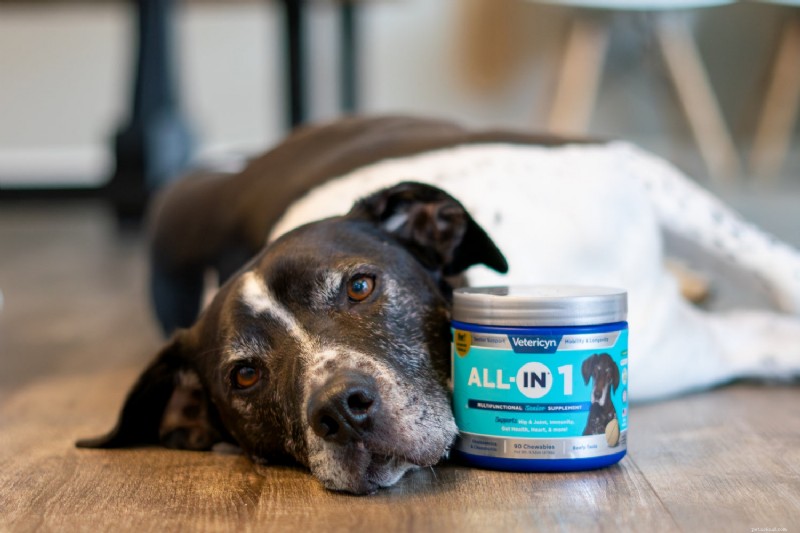
Vetericyn ALL‑IN is a multifunctional dog supplement that combines glucosamine, omega‑3 fatty acids, MSM, turmeric, and additional nutrients to support digestion, immune health, skin condition, and energy levels—all within one daily dose.
Its transparent labeling and focus on science‑backed ingredients make it an appealing choice for owners who prefer a single, comprehensive supplement over juggling multiple products.
Vetericyn ALL‑IN may not replace prescription therapies for severe arthritis or complex medical conditions. However, for dogs seeking proactive, natural joint support alongside broader health benefits, ALL‑IN offers meaningful, long‑term assistance.
FAQs
What age should dogs start taking a joint supplement?
Veterinarians often recommend beginning supplementation in young adulthood for large, athletic, or genetically predisposed breeds, before major mobility issues arise.
Does glucosamine really work for dogs?
Research indicates that glucosamine, especially when paired with chondroitin and omega‑3 fatty acids, can improve comfort and mobility in dogs with osteoarthritis, depending on dosage and product quality.
How long does it take for a dog joint supplement to work?
Improvement may appear within a few weeks, but most dogs require six to eight weeks of consistent use for noticeable benefits, as supplements support long‑term structural and inflammatory processes.
Are natural dog joint support supplements safe?
When properly formulated, most natural ingredients are safe. Nonetheless, each dog is unique—consult a veterinarian before starting new supplements, especially if your dog has underlying conditions or takes medications.
What ingredients should I look for in dog arthritis supplements?
Key ingredients include glucosamine, chondroitin, omega‑3 fatty acids, MSM, antioxidants, and anti‑inflammatory agents like turmeric. Transparent labeling and appropriate dosing are essential.
Can a dog joint supplement replace arthritis medication?
No. Severe arthritis typically requires veterinary treatment, prescription drugs, rehabilitation, or weight management. Supplements should be viewed as supportive care, not replacements.

The Vetericyn Team
Vetericyn is dedicated to developing the safest, most effective, and innovative animal wellness products worldwide. We strive to earn the respect and trust of our customers and challenge ourselves to find new ways to give back to the animal community.
Sources
- American Kennel Club. “Joint Supplements for Dogs: What to Know.” American Kennel Club, www.akc.org/expert-advice/health/joint-supplements-for-dogs/. Accessed 22 May 2026.
- Innes, J. F., et al. “Evaluation of a Nutraceutical, Carprofen and Meloxicam for the Treatment of Dogs with Osteoarthritis.” Veterinary Record, vol. 156, no. 25, 2005, pp. 793–799.
- National Center for Biotechnology Information. “Omega‑3 Fatty Acids and Osteoarthritis Management.” National Library of Medicine, www.ncbi.nlm.nih.gov/. Accessed 22 May 2026.
- Roush, James K., et al. “Multicenter Veterinary Practice Assessment of the Effects of Omega‑3 Fatty Acids on Osteoarthritis in Dogs.” Journal of the American Veterinary Medical Association, vol. 236, no. 1, 2010, pp. 59–66.
- Veterinary Partner. “Osteoarthritis in Dogs.” VIN Veterinary Partner, veterinarypartner.vin.com/default.aspx?pid=19239&id=4951452. Accessed 22 May 2026.
Related Blogs
- Pet Behavior
- Pet Breeds
- Pet Names
- Pet Adoption
- Pet Training
- Pet Information
- Pet Health
- Adorable Pets
- Dogs
- Understanding Aggression in Pit Bulls: Causes, Prevention, and Positive Outcomes
- Mounting a Horse: A Beginner's Guide to Safe, Easy Rides
- 13 Stunning Axolotl Morphs Every Enthusiast Should Know
- Comprehensive Guide to Cat Constipation: Causes, Symptoms, and Treatment
- Calming a Stressed Cat: Proven Strategies to Reduce Anxiety
- Echidna vs. Hedgehog: Distinguishing Features & Key Differences
- Does Your Cat's Color Reveal Its Personality? Exploring Myths & Facts