

Can You Deworm Your Dog at Home? Why Veterinary Guidance Is Essential
Short Answer: While over‑the‑counter dewormers exist, a veterinarian’s diagnosis and prescription ensure safe, effective treatment for your dog’s specific parasite infection.
Understanding Dog Worms and Their Impact
Common canine parasites include roundworms, hookworms, tapeworms, whipworms, and heartworms. Symptoms range from diarrhea, vomiting, and weight loss to a dull coat and abdominal bloating. Untreated worms can cause anemia, intestinal blockages, and, in the case of heartworms, life‑threatening cardiac disease.
How Deworming Works
Veterinary dewormers eliminate parasites through various mechanisms: some paralyze worms in the GI tract, allowing the dog to expel them, while others starve or kill the parasites to prevent reinfection.

Why Professional Diagnosis Matters
- Accurate Identification: Not all gastrointestinal issues are worm‑related; a fecal exam confirms the exact parasite.
- Correct Dosage: Over‑dosing can be toxic; under‑dosing may leave worms alive.
- Targeted Treatment: Prescription dewormers are tailored to the specific species, ensuring higher efficacy.
Online vet platforms like Dutch allow you to consult licensed professionals, submit stool samples, and receive a vet‑approved prescription without leaving home.
Comparing OTC and Prescription Dewormers
OTC products often target only a subset of worms, whereas prescription dewormers are designed to combat the specific parasite identified by your vet. This personalized approach reduces the risk of reinfection and drug resistance.
Common Symptoms That Signal a Worm Infection
- Diarrhea, vomiting, or blood in stool
- Weight loss, dull or brittle coat
- Abdominal pain or bloating
- Constipation, coughing, or breathing difficulty (especially for heartworms)
- Pale gums, lethargy, or rapid weight loss
Heartworm symptoms differ: coughing, exercise intolerance, and abdominal swelling. Annual testing and yearly preventive medication are recommended.
Types of Canine Worms
- Roundworms: Long, spaghetti‑like; common in puppies; cause vomiting and pot‑belly appearance.
- Hookworms: Tiny, blood‑feeding; can lead to anemia; symptoms include black, tarry stool.
- Tapeworms: Flat, segmented; spread via fleas; often seen as rice‑like segments near the anus.
- Whipworms: Large, thread‑like; cause chronic diarrhea and weight loss.
- Heartworms: Mosquito‑borne; live in heart, lungs, and blood vessels; can be fatal if untreated.
Dewormer Types and Administration
Depending on the parasite, vets may recommend oral tablets, injectable formulations, or topical spot‑on treatments. Oral dewormers are convenient, while injections act faster with a single dose.
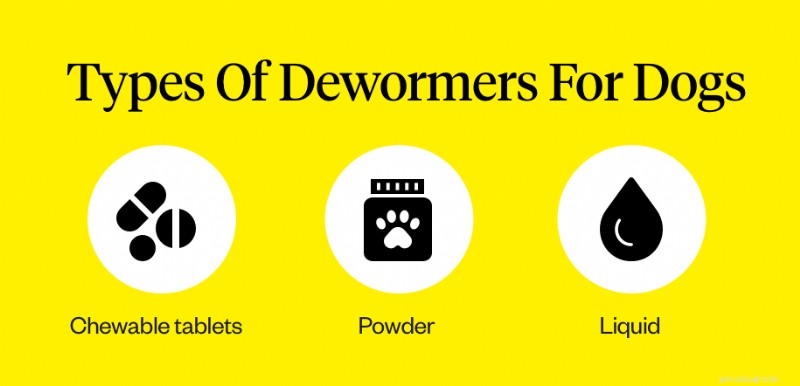
Licensed vets from Dutch can prescribe FDA‑approved dewormers, delivered directly to your doorstep with free standard shipping.
Cost Considerations
Deworming costs typically range from $15 to $200, depending on the medication and required diagnostics. Dutch offers a transparent membership starting at $11/month for up to five pets, which includes unlimited vet calls, same‑day access, and customized treatment plans.
Deworming Schedules
Adult Dogs
- Stool tests once or twice yearly.
- Monthly heartworm preventive throughout the year.
- In high‑risk areas, consider quarterly deworming.
Puppies
- Initial deworming at 2, 4, 6, and 8 weeks.
- Monthly heartworm prevention for life.
- Monthly deworming from 3 to 6 months, then annual or biannual stool checks.
Follow vet‑approved dosages and administer with food to minimize stomach upset. Monitor for any adverse reactions such as vomiting or diarrhea.
Signs of Successful Treatment
- Return to normal energy and playfulness.
- Improved appetite and weight gain.
- Firm, solid stool free of eggs or worms.
- Shiny, healthy coat.
Potential Side Effects
Most dewormers are safe, but some dogs may experience mild gastrointestinal upset. Severe heartworm treatments can cause swelling at the injection site and increased lethargy. If you notice persistent vomiting, diarrhea, or breathing difficulty, contact your vet immediately.
What to Avoid
- Raw onions or garlic – toxic to dogs.
- Unverified natural dewormers – may delay proper treatment.
- Human deworming meds – not formulated for dogs.
- Essential oils (clove, tea tree, pennyroyal) – can be toxic.
- Detox diets – may weaken the dog and be ineffective.
Preventive Measures
- Use year‑round flea control (e.g., Bravecto, NexGard) to block tapeworm transmission.
- Administer heartworm preventive that also covers intestinal worms.
- Schedule annual or biannual wellness exams with fecal and blood tests.
- Pick up pet waste promptly to reduce environmental contamination.

When In‑Person Care Is Needed
Seek immediate veterinary attention if your dog shows:
- Persistent vomiting or bloody diarrhea.
- Severe weakness or collapse.
- Abdominal distension or pain.
- Rapid weight loss despite normal appetite.
- Pale gums indicating anemia.
- No improvement after one week of deworming.
Puppies under 12 weeks are especially at risk and should receive prompt care.
Deworming Through a Licensed Vet with Dutch
Dutch provides fast, vet‑approved deworming solutions delivered to your home. Benefits include:
- Same‑day access to licensed veterinarians.
- Unlimited calls and follow‑ups.
- Coverage for up to five pets.
- Custom prescription plans.
- 20% discount on flea and tick meds.
- $25 off your first product order.
- Free gifts (varies by plan).
Book a virtual consultation today and ensure your dog receives professional, effective treatment without leaving home.
Schedule a Virtual Vet Consultation Today
- 24/7 care from top‑rated vets.
- Unlimited vet calls & messaging.
- Pet Behavior
- Pet Breeds
- Pet Names
- Pet Adoption
- Pet Training
- Pet Information
- Pet Health
- Adorable Pets
- Dogs
- Dog Maturity Myths Busted: Larger Breeds Take Longer to Grow
- Is Pumpkin Safe for Dogs? Expert Nutrition Tips
- Recognizing Colic in Dogs: Key Symptoms and Urgent Care Tips
- Why Does Your Dog Dig in the Carpet? Answers and Solutions
- Recognizing Mental Health Issues in Dogs: Signs, Symptoms, and Care
- How to Spot When Your Rabbit Is Sleeping: Key Signs and Tips
- 50+ Essential Facts About the Chart Polski Dog Breed