

Effective Worm Treatment for Dogs: Diagnosis, Care, and Prevention
Worm infestations are among the most frequent parasitic concerns for pet owners. A clear grasp of how to diagnose and treat canine worms not only protects your dog’s health but also safeguards the entire household.
While the symptoms of different worm species can overlap, the fundamental steps for treatment remain consistent: accurate diagnosis, appropriate deworming, and ongoing prevention. Always follow your veterinarian’s specific instructions when administering medication.
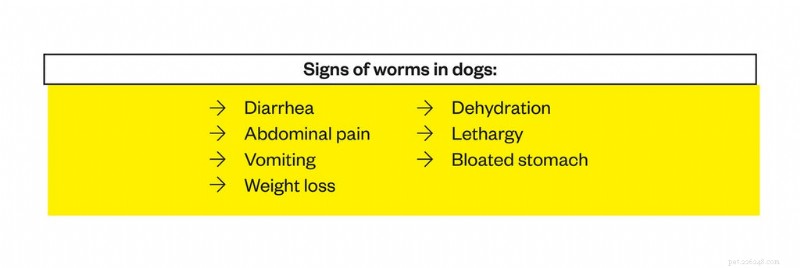
Signs of a worm‑infested dog may include diarrhea, vomiting, abdominal pain, weight loss, and lethargy. Symptoms can vary by worm type, breed, and size, so early detection is key.
When in doubt, a veterinary visit is essential. Your vet can perform diagnostic tests, prescribe the right dewormer, and provide personalized care recommendations.

What Causes Worms in Dogs?
Worms are external parasites that thrive in contaminated environments. Dogs commonly contract them by ingesting infected soil, feces, fleas, or prey. Even brief contact with contaminated stool can transmit eggs or larvae.
Fleas are a notable vector: infected fleas can transfer tapeworm larvae during grooming, and hookworms can cling to a dog’s coat, becoming ingested when the animal licks itself.
Puppies are especially vulnerable. Roundworms can cross the placenta, and both roundworms and hookworms may be transmitted via nursing milk. A worm‑positive puppy is a medical emergency that demands prompt veterinary care.
Diagnosing Worms in Dogs
While you may spot white or segmented worms in your dog’s stool, definitive identification requires veterinary testing. The most common method is a fecal flotation assay, where a stool sample is mixed with a solution that lifts parasite eggs to the surface for microscopic examination.
Before the test, your vet will review your dog’s medical history, diet, and any observed symptoms to contextualize the findings.

Common Types of Worms in Dogs
Although “worms” is a generic term, the four most prevalent species in dogs are hookworms, whipworms, roundworms, and tapeworms.
Hookworms
These slender intestinal parasites can cause anemia and are potentially fatal to puppies. Hookworms often appear as tiny, thread‑like remnants in feces, though they may be invisible to the naked eye. Transmission occurs through contaminated soil, feces, or infected milk.
Whipworms
Whipworms are rarely symptomatic but can persist for months in the right environment. They spread via soil, food, water, or fecal matter. Visually, they resemble a long, thin thread with a thicker base.
Roundworms
Roundworms are the most common intestinal parasite. Many puppies carry microscopic larvae from their mothers, and raccoon roundworms can occasionally infect dogs that consume infected hosts. In stool or vomit, roundworms look like spaghetti.
Tapeworms
Tapeworms result from eating infected animals, fleas, or insects. They are flat, segmented, and grain‑size in appearance. Effective flea control is essential for preventing tapeworm infections.
Recognizing Worm‑Related Symptoms in Dogs
While each worm species has distinct traits, common clinical signs include:
- Diarrhea or the presence of visible worms in feces
- Abdominal discomfort or frequent whining
- Vomiting, often accompanied by loss of appetite
- Unexplained weight loss
- Signs of dehydration or lethargy
- Bloated abdomen, especially in puppies
These symptoms can progress gradually; early veterinary intervention is crucial for effective treatment.

Treatment Options for Worms in Dogs
After confirming the worm type, your vet will recommend a specific dewormer regimen. Common dewormers include pyrantel pamoate, fenbendazole, or praziquantel, administered orally or via injection depending on the parasite.
Tapeworms require a combination of deworming and comprehensive flea control. Hookworms and whipworms often necessitate repeated treatments to eradicate all stages. While most dogs tolerate dewormers well, mild side effects such as transient diarrhea or lethargy may occur and typically resolve spontaneously.
Post‑treatment, keep the environment clean: promptly dispose of feces and disinfect areas where your dog defecates. Maintain a regular flea and tick prevention program and discourage hunting of wildlife to reduce reinfection risk.
How Long Does Worm Treatment Take?
Recovery timelines vary by parasite:
- Roundworms: ~4 weeks for complete clearance
- Tapeworms: 10–14 days
- Hookworms: symptoms may improve in days, but full eradication often takes a few weeks
Adhering to the full course of medication is vital; premature discontinuation can leave surviving eggs and lead to recurrence.
Consult Your Veterinarian for Worm Treatment
Timely veterinary care ensures accurate diagnosis and effective treatment. A qualified vet can prescribe the correct dewormer, advise on dosing schedules, and discuss preventive strategies tailored to your dog’s lifestyle.
Reach Out to Dutch Veterinary Services
- 24/7 access to top‑rated veterinarians
- Unlimited tele‑consultations and messaging support
- Pet Behavior
- Pet Breeds
- Pet Names
- Pet Adoption
- Pet Training
- Pet Information
- Pet Health
- Adorable Pets
- Dogs
- Top 2022 Dog Dental Chews: Safe, Effective, and Vet-Approved
- Silia & Sophie: The Gentle Ragdolls That Captured Our Hearts
- Understanding and Preventing Gastrointestinal Obstructions in Dogs
- 10 Engaging Indoor Activities to Keep Your Dog Active and Happy
- Protecting Your Outdoor Cats: A Practical Guide to Safety
- Why Indoor Cats Thrive: 12 Key Benefits for Their Health and Safety
- Do Cats Truly Miss Their Owners? 5 Clear Signs