

Apartment‑Friendly Guide to Potty‑Training Your Puppy
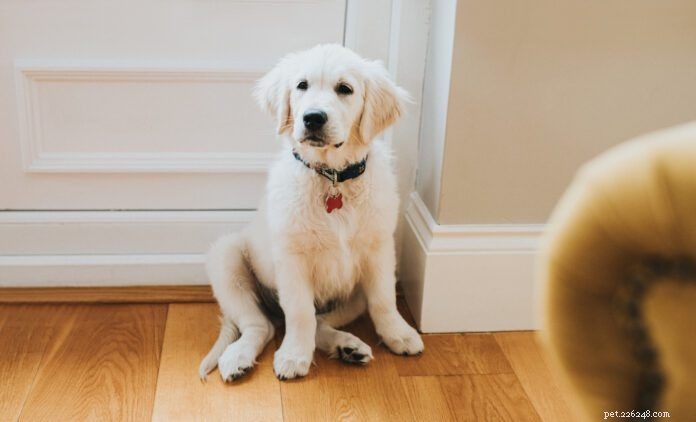
Potty‑training a puppy in an apartment can feel like a full‑time job, especially when the nearest yard is a hallway, stairwell, or elevator away. The good news is that the core principles—consistency, observation, and reward—are the same as anywhere else. Below, we break down how to adapt those principles for apartment living, with practical tips that respect both your pup’s needs and your lease agreement.
Key challenges in an apartment include:
- Distance to the outdoors – Even a short walk can mean navigating doors, stairs, and common areas, which can be too long for a puppy’s bladder.
- Time constraints – You may not always be able to respond immediately when your puppy shows the need to go.
- Financial risk – Accidents on carpet or in shared hallways can trigger costly carpet replacement or security‑deposit deductions.
Fortunately, a combination of timing, indoor tools, and strategic planning can turn these obstacles into manageable steps. Below are three proven strategies:
- Fine‑tune your schedule and watch for body language.
- Use puppy potty pads as a reliable indoor alternative.
- Consider temporary use of dog diapers for carpet protection.
Potty‑Training Basics for All Environments
Regardless of living situation, puppies need frequent bathroom breaks because their bladder control is still developing. A puppy aged 8–12 weeks typically requires a trip outside every hour. Look for cues such as circling, whining, or sniffing, and act promptly.
Never punish or yell at a puppy for an accident; it will only create confusion. Instead, calmly escort her to a designated spot, and offer enthusiastic praise and a small treat when she finishes.
Use baby gates or a tether to keep the puppy close enough that you can notice signs of urgency. When you’re away from home or can’t supervise, a well‑fitted crate can serve as a safe containment area. For a detailed guide on crate training, see our article on House‑Training a Puppy.
Mastering Timing in an Apartment Setting
Relying solely on timing is possible but demands vigilant observation and swift action. If you suspect your puppy needs to go, take her outside immediately—even if it means a brief stop on a shared balcony. For many apartments, a two‑to‑three‑minute run to the exit is still acceptable; the goal is to prevent the bladder from reaching its limit.
Set up a routine: feed, play, and sleep times should be consistent, as predictable schedules help the puppy anticipate bathroom needs. Keep cleaning supplies on hand to handle any inevitable accidents swiftly.
Incorporating Potty Pads
Potty pads provide a convenient indoor solution that’s especially useful during inclement weather or when you’re away for extended periods. Follow these steps for effective pad training:
- Place a clean pad in a consistent, easily reachable spot.
- Let the puppy explore the pad’s texture—avoid dropping treats on it, as dogs typically associate food with different surfaces.
- Invite the puppy to the pad whenever you suspect she needs to go.
- Reward her with praise and a treat a few steps away from the pad to reinforce the behavior.
Once the puppy reliably uses the pad, gradually reduce its presence while continuing to reward outdoor potty breaks, creating a seamless transition between indoor and outdoor spots.
Using Puppy Diapers as a Floor‑Protection Tool
Dog diapers can be a practical floor‑protection measure for a brief period—typically 2–4 weeks—while your puppy’s bladder control improves. Key points to keep in mind:
- Always supervise a diapered puppy; they can pull them off, chew, or swallow pieces, leading to health risks.
- Change diapers immediately when wet or soiled to prevent irritation or urinary tract infections.
- Avoid using diapers at night, as unsupervised overnight use can increase the risk of accidents and reduce the puppy’s natural nighttime potty routine.
- Pair diaper use with a consistent daytime potty schedule to keep training momentum.
Remember, diapers are a temporary floor‑protection solution, not a training aid. The ultimate goal remains guiding the puppy to appropriate outdoor spots.

- Pet Behavior
- Pet Breeds
- Pet Names
- Pet Adoption
- Pet Training
- Pet Information
- Pet Health
- Adorable Pets
- Dogs
- Decoding Your Dog's Tail: Insights into Their Mood & Intentions
- Muzzle Training Made Easy: Building Comfort & Confidence in Your Dog
- Heartwarming Farm Tale: A Cow's Sweet Kisses Show Unbreakable Bond with Golden Retriever
- Best Dog Companions for Border Collie Mixes: Energy, Exercise, and Compatibility
- Can Dogs Remember Their Mother After Separation? Science Reveals the Truth
- Yellow-Collared Macaw Guide: Care, Personality & Adoption Tips
- Mastering Positive Reinforcement: Easy Ways to Praise Your Dog