

Reintegrating Your Dog After Winter: A Step‑by‑Step Guide to Restoring Confidence and Social Skills
Help your dog regain confidence and social skills after a winter spent mostly indoors.
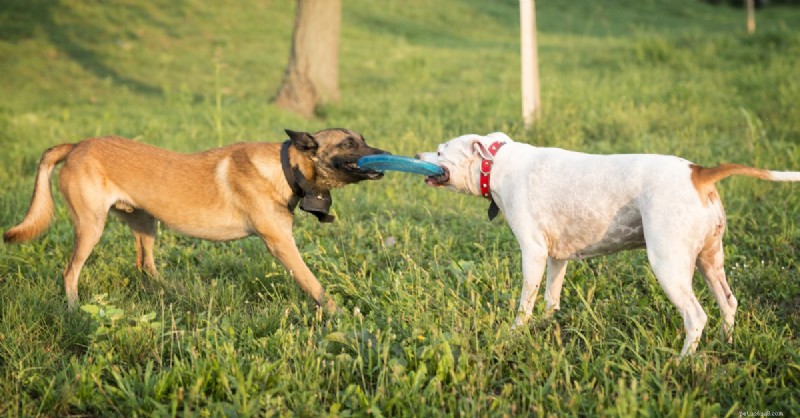
Winter can shrink a dog’s world—shorter walks, quieter parks, and less social time. When spring arrives, many dogs need a gentle reset to feel comfortable interacting with people, pets, and new surroundings again. A dog that has spent months indoors may feel uncertain or overly excited when reintroduced to the outdoors. Both reactions are normal; what matters is how you guide them through the transition so they can rebuild confidence without stress.
Start Slow and Close to Home
The first step in post‑winter socialization is to ease your dog back into activity. Avoid jumping straight into busy parks or crowded sidewalks. Begin with familiar areas where your dog already feels safe. Take a walk around your neighborhood, allowing your dog to sniff, observe, and move at a comfortable pace. This helps reintroduce everyday sights and sounds without overwhelming them.
Short outings work best at first—ten minutes can be more effective than a long, overstimulating trip. Gradually increase time and distance as your dog becomes more relaxed.
Watch Your Dog’s Body Language
Dogs communicate clearly if you know what to look for. Pay attention to posture, tail movement, ear position, and overall energy level. A loose body and relaxed tail usually mean your dog is comfortable. Stiff movements, tucked tails, or excessive panting can signal stress. If you notice these signs, create distance from whatever is causing discomfort.
Every dog has a different threshold. Some adjust quickly, while others need more time. Respecting those limits is a key part of responsible pet care.
Reintroduce Other Dogs Carefully
Meeting other dogs again can be exciting, but it should be handled with care. Not every dog will be ready for immediate interaction after a long break.
Start with controlled introductions. Choose calm, well‑behaved dogs for the first few meetups. Neutral spaces work better than territorial environments like your yard or theirs. Keep both dogs on a leash at first. Allow them to approach slowly and observe each other. If both appear relaxed, you can allow brief interaction before separating again.
Dog parks may seem like an easy solution, but they can be overwhelming early on. Save those for later, once your dog has regained confidence.
Expose Your Dog to New Environments
Spring brings new opportunities for enrichment. Outdoor cafés, walking trails, and pet‑friendly stores all provide valuable experiences. Introduce these environments gradually—start with quieter locations and off‑peak times to reduce pressure and allow your dog to adjust at its own pace.
Bring familiar items if needed. A favorite leash, harness, or even a small blanket can provide comfort in unfamiliar settings. Positive experiences build confidence; each successful outing makes the next one easier.
Use Dog Treats and Positive Reinforcement
Rewards play a major role in rebuilding social skills. Bring small, high‑value treats on walks. Reward calm behavior, friendly interactions, and moments of focus. This encourages your dog to repeat those behaviors.
Timing matters—offer the reward immediately after the desired behavior so your dog makes the connection. Avoid punishment when things don’t go perfectly; redirect instead. A calm approach helps your dog feel secure and willing to try again.
Practice Basic Dog Commands in New Settings
Training should not stay indoors. Practicing commands outside reinforces good behavior in real‑world situations. Start with simple commands like sit, stay, and come. Use them during walks and outings to maintain focus and structure.
Distractions will be higher outside—that’s expected. Be patient and keep sessions short to prevent frustration. Consistency builds reliability. Over time, your dog will respond more confidently even in busy environments.
Be Mindful of Seasonal Changes
Spring brings more than just social opportunities. It introduces new smells, sounds, and hazards. Wildlife becomes more active, other pets are out more often, children play outside, and outdoor events increase. All of these can affect your dog’s comfort level.
Monitor your dog’s reactions closely and adjust your approach as needed to keep experiences positive. Weather also plays a role. Warmer temperatures can impact energy levels and hydration needs. Bring water on longer outings and avoid peak heat when possible.
Build a Routine That Supports Dog Socialization
Consistency helps dogs feel secure. A regular schedule of walks, outings, and interactions can speed up the adjustment process. Try to go out at similar times each day; familiar patterns reduce anxiety and create a sense of predictability.
Mix in different types of experiences—one day might focus on a quiet walk, another could include meeting a friend’s dog or visiting a new location. Balance is important; too much stimulation can be as challenging as too little.
Know When to Seek Extra Help
Some dogs struggle more than others after a long winter indoors. If your dog shows persistent fear, aggression, or extreme anxiety, professional guidance may be helpful.
A certified dog trainer or behaviorist can assess the situation and provide tailored strategies. Early support can prevent small issues from becoming long‑term problems. There is no shame in asking for help; every dog has unique needs, and some benefit from extra structure.
Make Dog Socialization a Year‑Round Habit
Rebuilding social skills takes time. With patience, consistency, and the right approach, your dog can move from winter isolation to a more confident and enjoyable pet lifestyle.
Ready to start saving money on pet wellness care?
Then take a look at Mint Wellness, the pet wellness plan that provides fast reimbursement on routine pet care. Save on vaccinations, wellness exams, preventatives, dental, and more!
- Pet Behavior
- Pet Breeds
- Pet Names
- Pet Adoption
- Pet Training
- Pet Information
- Pet Health
- Adorable Pets
- Dogs
- Airedale Terrier: Playful, Energetic King of Terriers
- Find the Perfect Forever Home for Carson, the Loving 10-Year-Old Terrier
- Step‑by‑Step Guide: Preparing Your Cat for a Safe and Stress‑Free Cattery Stay
- 18 Adorable Teddy Bear‑Like Dog Breeds to Warm Your Heart
- 18 Most Common Spiders in Alabama
- Swedish Vallhund: Breed Profile, Origin, and Care Guide
- Recognizing and Treating Red Eyes in Dogs: A Vet’s Guide