

Keep Your Dog Safe This Halloween: Expert Tips & Common Hazards
Halloween is a night of fun for humans, but it can be perilous for dogs. I first realized the risks during my dog Rio’s debut trick‑or‑treat outing, when he, decked out as Spider‑Man, greeted a crowd of excited children. Rio wagged his tail as kids stopped to pet him and snap photos, even offering a treat from a neighbor’s porch. But the festive joy quickly turned to alarm when Rio lunged for a half‑eaten chocolate bar on the sidewalk. I yanked him back just in time, but the scene left me uneasy about the swarm of kids, candy, and hidden dangers that can turn a simple walk into a health crisis.
Since becoming a pet journalist, I’ve seen that Rio isn’t alone in turning mischievous on Halloween. According to Laura Stern, DVM, DAVBT, DABT and associate medical director of the ASPCA’s Animal Poison Control Center (APCC), calls to the 24‑hour hotline spike on October 31. “Fortunately, many of these incidents can be handled safely at home,” she says. “For example, glow sticks are common trick‑or‑treat accessories, but their bright glow can tempt curious pups. The APCC has seen more than a 1,000 % increase in calls about pets biting into glow sticks and glow jewelry.”
Beyond chocolate and candy, I spoke with Dr. Stern and Melissa Magnuson, DVM, medical director of three AAHA‑accredited practices, to uncover other hidden hazards lurking in every corner of Halloween. Read on to discover the risks—and how to keep your pets safe all season long.
Get Reader’s Digest’s Read Up newsletter for more pets, holidays, humor, travel, tech and fun facts all week long.
What are the biggest dangers to dogs on Halloween?
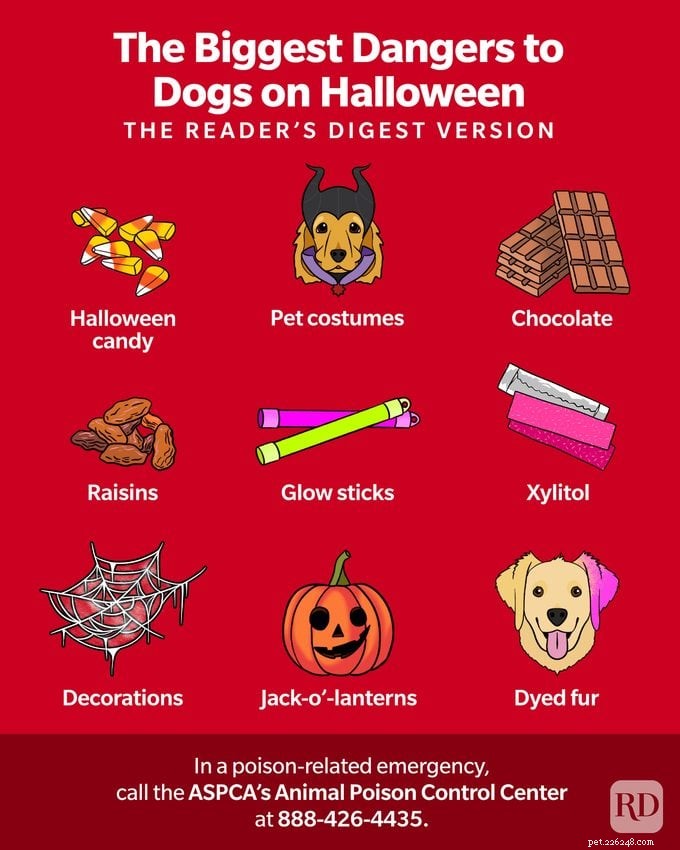
Many dogs end up in the emergency room on Halloween or the following day because of holiday hazards. Dr. Magnuson explains that most incidents can be prevented with simple precautions. Below are the top threats to pups on the spookiest night of the year.
Halloween candy
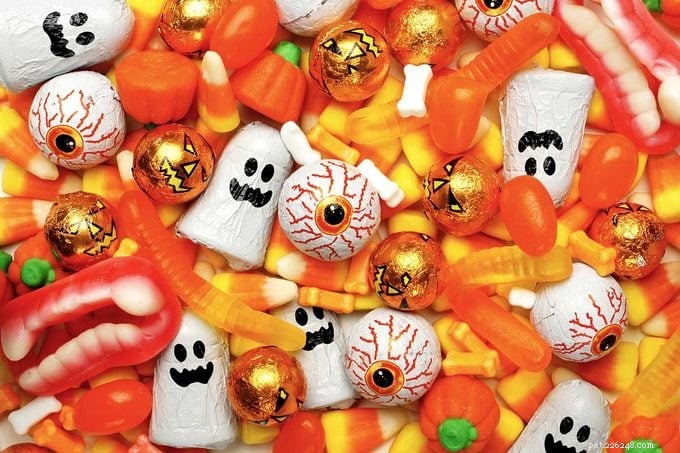
Sugar overload can trigger vomiting, diarrhea, and even pancreatitis in dogs. “Keep the bowl of candy out of reach of pets and ensure kids’ stashes are safely stored after the night’s fun,” says Dr. Stern. “High sugar intake also leads to upset tummies in children, so a safe storage solution benefits everyone.”
Dogs cannot open packages, so they often ingest wrappers along with the sweets. “A large quantity of candy and its packaging can cause gastrointestinal obstruction,” warns Dr. Magnuson.
Chocolate

Chocolate is one of the most common toxic foods for dogs. Dark chocolate contains the highest levels of theobromine, which can be lethal. The APCC reports a 300 % increase in calls about pets eating chocolate on Halloween. Symptoms include vomiting, rapid heart rate, hyperactivity, and seizures.
Xylitol

Xylitol, a sugar‑free sweetener found in gum and candy, is extremely toxic. “Just one stick of xylitol gum can kill an 85‑pound Labrador,” cautions Dr. Magnuson. “If you suspect xylitol ingestion, seek emergency care immediately.”
Raisins
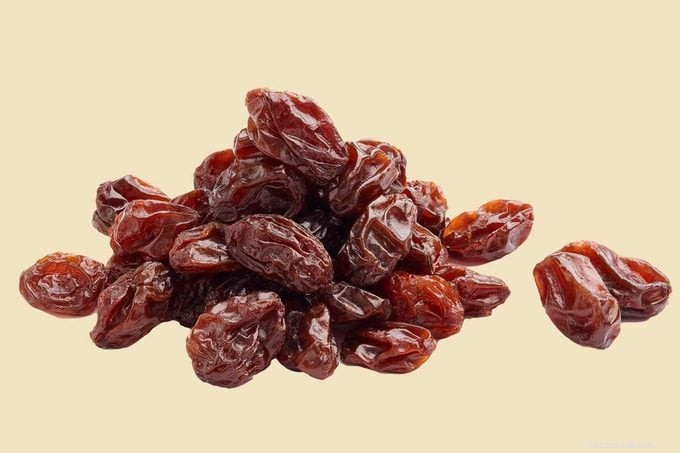
Raisins and grapes are also dangerous. A handful can cause acute kidney failure in dogs. Keep them in a cupboard, not in a bag of Halloween treats.
Glow sticks

Glow sticks contain dibutyl phthalate, which can cause drooling and stomach upset due to the bitter taste. “Give a small treat like canned food to mask the taste,” says Dr. Stern. “If a dog chews a glow stick, wash any glowing surfaces with a damp cloth to prevent re‑ingestion.”
Pet costumes
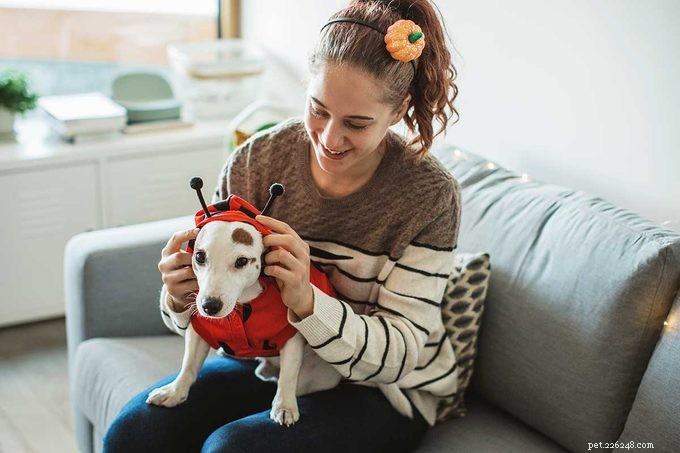
Costumes can be a hazard if they have metal snaps or small parts that dogs can chew off. They can also restrict breathing, vision, or movement. Dr. Magnuson advises: “Never leave a dog unattended in a costume. If you must dress them, take photos and then remove the outfit.” Most pets are more comfortable at home than in the chaos of trick‑or‑treating.
Decorations
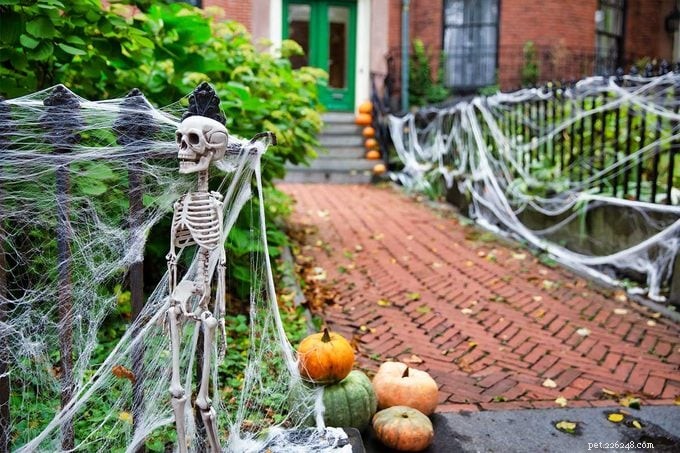
Stringy decorations like spiderwebs can cause gastrointestinal obstruction if ingested. Corded lights pose a choking risk. Keep all decorations out of reach or in a secured area.
Jack‑o‑lanterns
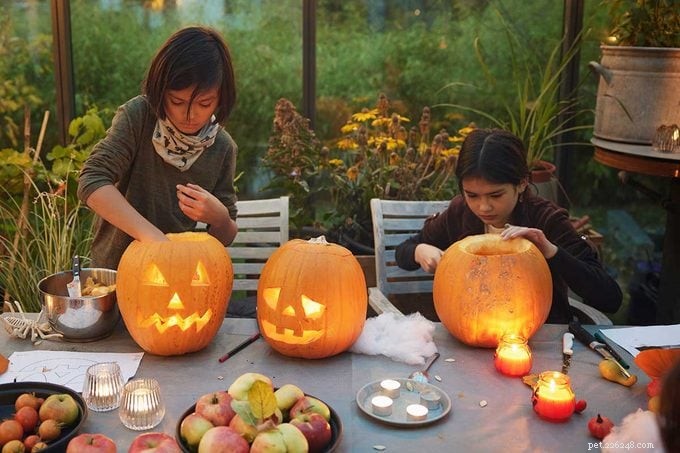
Raw pumpkin is not toxic, but it’s hard to digest. Large chunks can cause blockages, and high fiber may lead to diarrhea. “Serve cooked pumpkin instead,” recommends Dr. Magnuson. “And never leave lit candles near pets with long fur.”
Colorful dyes

Over‑the‑counter fur dyes can contain harmful chemicals. Dogs lick their coats after a dye session, potentially ingesting toxins. “It’s safer to avoid dyeing your pet’s fur altogether,” says Dr. Magnuson.
♦ Pro tipIn a poison‑related emergency, call the ASPCA’s Animal Poison Control Center at 888‑426‑4435.
How can you keep your dog safe on Halloween?
Beyond avoiding the hazards above, consider the stressors that can overwhelm a dog: loud music, flashing lights, unfamiliar costumes, and the constant ringing of the doorbell. Even a calm dog may bolt through an open door on Halloween.
“Repeated doorbell rings can be unsettling for pets,” says Dr. Magnuson. “Plan ahead: hold your festivities outside, or keep your dog in a quiet room with a family member during the trick‑or‑treat hour.”
Microchipping remains the most reliable way to return a lost pet. According to Human Animal Support Services, micro‑chipped pets are three times more likely to be reunited with their owners. Keep your contact information updated with registries like PetLink or AKC Reunite.
While ID tags are helpful, the safest strategy is to prevent escape by keeping your dog inside or with a trusted companion. Observe your dog’s body language for signs of stress—whining, pacing, or retreating. Background piano or reggae music can help soothe nerves.
What else should you keep in mind about this holiday?
Dogs don’t see human costumes the same way we do, and a sudden change in appearance can startle them. “Let your pet acclimate to your outfit by putting it on repeatedly in the weeks leading up to Halloween,” advises Dr. Magnuson. “This reduces the risk of surprise and potential biting.”
Only bring dogs that are comfortable with crowds and bright lights. The combination of strangers, loud sounds, and flashing lights can overwhelm most pets, increasing the likelihood of defensive aggression.
In many cases, the safest option is for your dog to stay at home with a trusted family member or friend. “Staying inside eliminates most risks and saves you a trip to the vet,” says Dr. Magnuson.
Are there any additional Halloween safety tips for cats?
Cats face similar hazards. Chocolate, xylitol, and certain Halloween treats are toxic. Loud doorbells and costumes can also trigger stress and escape attempts. Create a quiet, secure room away from the front door, stocked with a favorite toy, blanket, and a small treat to keep your cat calm while you enjoy the festivities.
I’m looking forward to a quiet night snuggling with my dog while watching Halloween movies. Whatever your plans, I hope you and your pets have a safe and happy Halloween!
About the experts
- Melissa Magnuson, DVM, owner and medical director of three American Animal Hospital Association (AAHA)‑accredited hospitals in New Hampshire. She also shares advice online as The Conscious Vet.
- Laura Stern, DVM, DAVBT, DABT, associate medical director of the ASPCA Animal Poison Control Center.
Why trust us
At Reader’s Digest, we publish high‑quality content written by experts and vetted by qualified professionals. We rely on reputable primary sources—including government agencies, professional associations, and academic institutions—and update our articles regularly to maintain accuracy. Read more about our team, contributors, and editorial policies.
Sources:
- Melissa Magnuson, DVM, interview, Oct. 19 2024
- Laura Stern, DVM, interview, Oct. 18 2024
- Human Animal Support Services: “Microchipped Pets Are Three Times More Likely to Get Home”
- PetMD: “Halloween Pet Safety Tips”
- Pet Behavior
- Pet Breeds
- Pet Names
- Pet Adoption
- Pet Training
- Pet Information
- Pet Health
- Adorable Pets
- Dogs
- Meet Chloé: The Heartwarming Ragdoll Kitten of the Month
- Water Poisoning in Dogs: Symptoms, First Aid, and Prevention
- Identifying When Your Turtle Is Ready to Lay Eggs: Signs, Preparation, and Care
- Top 11 Double-Coated Dog Breeds Ideal for Extreme Weather
- Effective Techniques to Stop Your Dog From Begging for Food
- Canine Acupuncture & Complementary Therapies: Acupressure, Homeopathy & More
- Top 7 Most Dangerous Birds Worldwide: Key 2022 Statistics