

Three Distinct Dog Owner Types Revealed by New Study – Which One Are You?
Allowing your dog to sleep in your bed, using its name on greeting cards, or prioritizing its company over social events – you’re part of a growing trend. In recent decades, people increasingly treat dogs as beloved family members rather than mere pets.
Does how you label your relationship with your dog – as a parent, friend, or colleague – influence the care you provide? A recent study published in Scientific Reports suggests it does. As a pet‑parent myself, I asked the study’s lead author for more insight.
Below, I distill the research and share how each owner type may affect your dog’s well‑being. If you’re interested in more canine‑focused content, subscribe to Reader’s Digest’s Read Up newsletter.
Study Overview
Psychologist Laura Gillet, a PhD candidate in the Department of Ethology at Eötvös Loránd University in Hungary, led the research. She was inspired by data showing that many owners consider their dogs more important than humans. The study aimed to understand how the evolving role of dogs in Western societies – especially amid low fertility rates and shrinking families – affects owner behavior and dog welfare.
Gillet and her colleagues surveyed 790 Hungarian dog owners to examine whether viewing dogs as family members or children shapes care practices and, potentially, behavior. Contrary to expectations, the study found that owner type influenced care routines but did not correlate with reported behavior problems such as separation anxiety.
The researchers identified three distinct owner profiles based on the perceived social and practical roles of dogs. These profiles help explain variations in training, bonding, and responsibility.
Which Owner Type Are You?
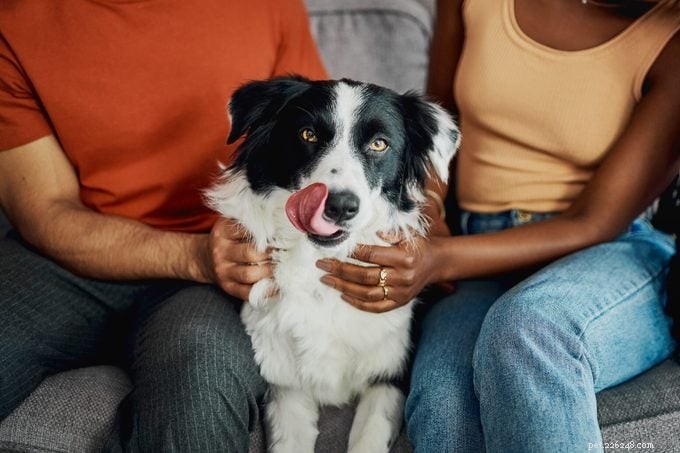
Do you see yourself as a parent, a companion, or a colleague to your dog? Here’s what the study found for each category.
1. The Dog Parent
Representing 49.5% of participants, “dog parents” treat their pets as friends, family, or even fur babies. Their bond often supersedes human relationships, and dogs usually live indoors and spend substantial time with their owners.
These owners tend to be younger – many Millennials and Gen Z – and may lack experience, leading to inconsistent training. They also report lower confidence in off‑leash situations.
Typical breeds: Border Collie, Vizsla, Boxer, Dachshund, Pumi
2. The Companion
Making up 19.4% of respondents, companions view their dogs as family but maintain emotional distance compared to parents. They are generally older, spend less time with their pets, yet they apply more consistent training and boundary setting.
Typical breeds: Mudi, English Cocker Spaniel, Labrador Retriever, Boxer, German Shepherd
3. The Colleague & Friend
Accounting for 31.1% of owners, this dual‑status group sees their dog as both a family member and a functional partner – guard, assistance, or sporting companion. These owners often choose intelligent breeds with a strong work drive.
Because dogs serve multiple roles, owners in this group report stronger bonds, better training, and heightened safety perceptions.
Typical breeds: Border Collie, Belgian Shepherd, German Shepherd, Labrador Retriever, Vizsla
Implications for Owners
While the study enriches our understanding of human‑dog relationships, it is only the first step. Future research will explore how anthropomorphism and cultural differences influence welfare outcomes.
As Gillet notes, expanding the study to diverse populations and including variables such as age and parental status will provide deeper insights into how ownership roles affect both dogs and their owners.
Don’t Let Labels Limit You
Dog trainer and behavior consultant Mary Angilly cautions against over‑relying on these categories. “Labels can reinforce unfounded expectations,” she says. Instead, focus on holistic care: balanced nutrition, tailored exercise, mental stimulation, quality sleep, and consistent training.
About the Experts
- Laura Gillet – Psychologist, PhD candidate in Ethology, Eötvös Loránd University. Leads research on companion animals in Western societies.
- Mary Angilly – CTC, CPDT‑KA, CSAP‑BC. Force‑free dog trainer and behavior consultant based in Boulder, Colorado, with over a decade of experience.
Why Trust Reader’s Digest?
We prioritize accuracy and expertise. Writers collaborate with qualified experts, verify facts, and update content to maintain relevance. For more about our editorial process, visit our site.
Sources
- Gillet, L. (2024). *The role of dogs is associated with owner management practices and characteristics, but not with perceived canine behaviour problems*. Scientific Reports.
- Gillet, L. (2024). Interview with Reader’s Digest, November 15.
- Angilly, M. (2024). Email interview, November 15.
- Pet Behavior
- Pet Breeds
- Pet Names
- Pet Adoption
- Pet Training
- Pet Information
- Pet Health
- Adorable Pets
- Dogs
- Whole Dog Journal Reviews Dry Shampoos and Waterless Baths: A Practical Guide
- Indoor vs. Outdoor Cats: Expert Guidance on Whether to Let Your Cat Outside
- Choosing the Ideal Dog for First‑Time Owners: A Practical Guide
- Meet Thor: The Ragdoll Kitten of the Month Bringing Love & Joy
- Professional Guide to Running a Dog Kennel: Essentials & Best Practices
- Cat Weight Loss: Causes, Symptoms & Treatment Guide
- Determining the Right Portion of Homemade Dog Food for Your Canine