

Why Does My Dog Stare? 9 Expert-Backed Reasons Behind Their Gaze
Dog owners often notice their pets watching them intently, whether you’re eating, brushing your teeth, or watching TV. If you’ve ever wondered why your dog keeps staring, you’re not alone.
For over 10,000 years, dogs have evolved into expert observers of human behavior. While being watched can feel odd, their stares usually serve practical, harmless purposes.
As a practicing veterinarian, I have spent years studying canine behavior. Let’s explore the nine common reasons your dog stares—and why this eye contact can strengthen your bond.
Get Reader’s Digest’s Read Up newsletter for more cleaning, humor, travel, tech and fun facts all week long.
Why does my dog stare at me?
Dogs lack verbal communication, so they rely on body language and facial cues to convey their needs. When they stare, they’re using their eyes to tell you something—you just need to decode it.
It’s getting to know you better
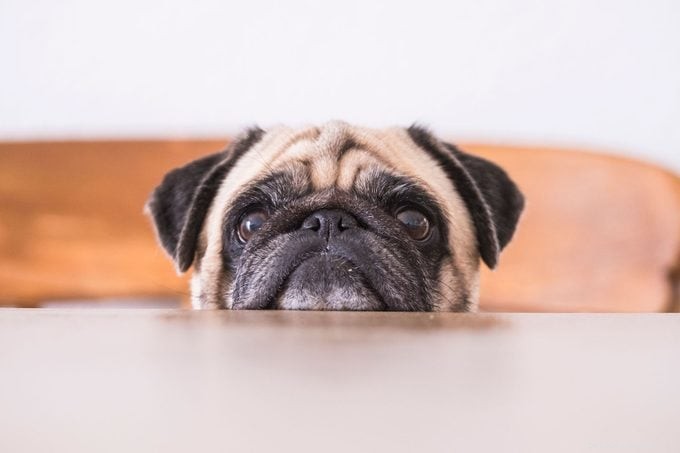
Over millennia, dogs have learned to read our habits, body language, facial expressions, and tone. A stare often signals that your dog is trying to understand you better—or to gauge your mood. If you’re feeling down, your dog may pick up on that negative energy and attempt to comfort you.
It’s telling you what it needs
Since dogs can’t speak, they use eye contact to communicate basic needs. For instance, if your dog needs to pee, it might stand by the door and look at you to signal that it’s time outside.
If your dog stares at you while you’re eating and licks its lips, it’s probably begging for food. Avoid reinforcing that behavior by giving a treat; instead, redirect your pup to a food puzzle or a quiet activity.
It’s expressing emotion
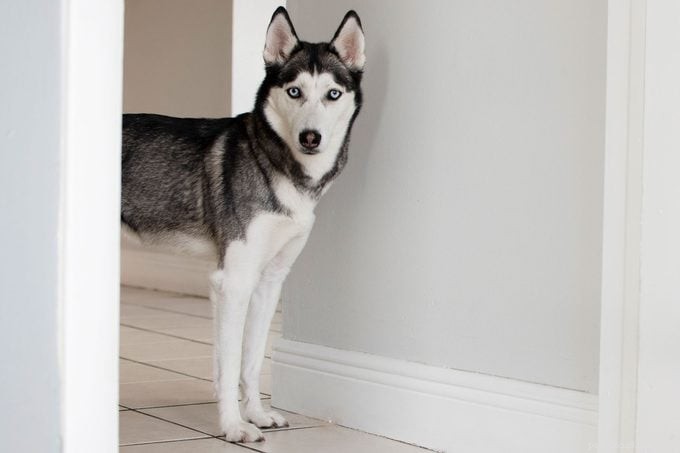
Love is one of the strongest emotions a dog can convey through a gaze. A soft, squinty stare triggers oxytocin release in both of you. A study published in Science showed that oxytocin strengthens the affectionate bond between humans and dogs.
Dogs also use a stare to signal aggression. An aggressive look—paired with a stiff posture and unblinking eyes—indicates a warning to back off. This type of stare, often linked to resource guarding, may warrant behavioral modification.
It wants attention
Quality time is a highlight of the day for both you and your dog. If your dog eyes you expectantly with a toy in its mouth, it’s asking for play. If it shares your bed, a stare may signal a desire for cuddle time before drifting off.
It’s confused
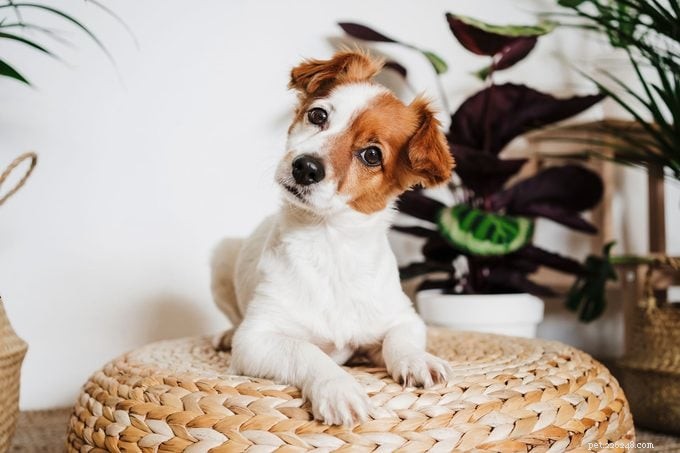
When a dog doesn’t understand a command or finds itself in a new situation, it will stare for clarification. For example, at a crosswalk, a dog might look up to you for a cue on when to cross.
It’s pooping
Dogs exhibit odd bathroom habits, such as spinning before pooping. During this vulnerable position, they stare at you for reassurance that you’ll keep an eye out for potential threats.
It’s sick or injured
Dogs depend on us for care. If a dog is injured or unwell, a stare can be a signal that something is wrong. Notice any changes—less activity, increased clinginess—and consider a vet visit.
It’s experiencing separation anxiety
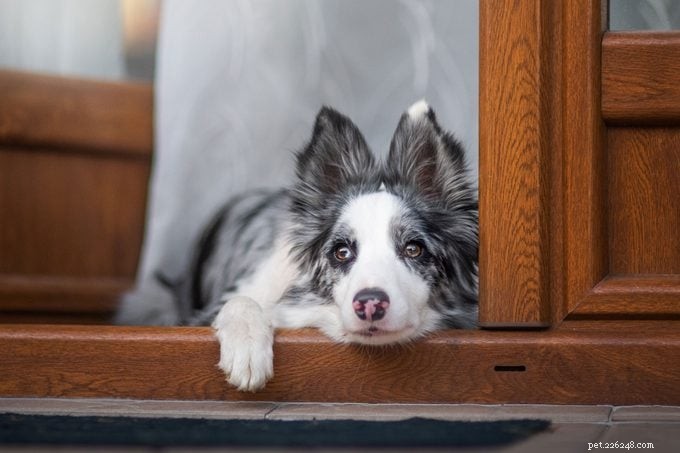
When a dog follows you everywhere and stares for attention, it may suffer from separation anxiety. Left unchecked, this can lead to destructive behavior and health issues like vomiting or diarrhea.
If you suspect separation anxiety, consult a veterinarian for a referral to a veterinary behaviorist. Severe cases may require medication alongside behavioral training.
Its brain function is declining
Older dogs can develop cognitive dysfunction—akin to human dementia. Symptoms include confusion, anxiety, sleep disturbances, and reduced interaction. A study in Veterinary Clinics of North America, Small Animal Practice, notes that staring into space or at owners can be a red flag.
For an older dog that appears “off” when staring, schedule a vet appointment for further evaluation.
Why eye contact with your dog matters
Understanding why your dog stares is only part of the story. Eye contact also serves as a vital communication channel, strengthening the bond you share.
In training, eye contact lets your dog signal when it needs clarification, reinforcing learning. In moments of affection, the mutual gaze boosts oxytocin, creating a positive feedback loop.
Why trust us
Reader’s Digest commits to publishing expert-backed content. This article was crafted by JoAnna Pendergrass, DVM, and rigorously reviewed by Wailani Sung, MS, PhD, DVM, DACVB, a board‑certified veterinary behaviorist. We rely on peer‑reviewed studies and professional organizations, ensuring accuracy and up‑to‑date information.
Sources
- Zoological Research: “Deciphering the puzzles of dog domestication”
- Science: “Oxytocin‑gaze positive loop and the coevolution of human‑dog bonds”
- Veterinary Clinics of North America, Small Animal Practice: “Canine Cognitive Dysfunction: Pathophysiology, Diagnosis, and Treatment”
- Journal of the American Veterinary Medical Association: “Review of epidemiological, pathological, genetic, and epigenetic factors that may contribute to the development of separation anxiety in dogs”
- Pet Behavior
- Pet Breeds
- Pet Names
- Pet Adoption
- Pet Training
- Pet Information
- Pet Health
- Adorable Pets
- Dogs
- Selenium in Horses: Importance, Sources, and Health Implications
- Are Marshmallows Safe for Cats? What You Need to Know
- 9 Hermit Crabs That Won’t Harm Your Reef Tank
- 7 Expert Tips to Win Your Guinea Pig’s Heart
- 10 Best Small Dogs for Hiking: Compact Companions for Trail Adventures
- Signs Your Cat Is Over-Grooming (And What to Do)
- Optimal Dog Nutrition: Boost Health & Prevent Illness