

Why Do Dogs Carry Their Food to Another Spot? The Science Behind the Behavior
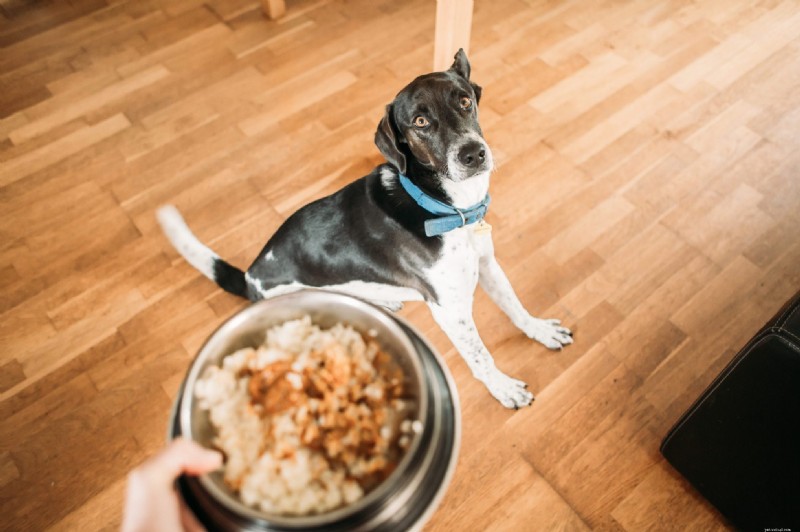
While every dog has its own personality, many share common habits that cut across breed, size, and age. One such habit is moving food from its bowl to a different spot before eating. Whether it’s a hardwood floor, a favorite rug, or a quiet corner, your dog’s choice of dining location often reflects deep-rooted instincts and comfort needs.
What Drives This Behavior?
Veterinarians explain that the tendency stems from our wolf ancestors. When wolves caught prey, they would often carry chunks away to avoid theft or conflict, and sometimes to save food for later. This instinct can surface in domestic dogs even when no threat is present. Dr. Tory Waxman, VMD and co‑founder of Sundays, notes, “Dogs still retain these protective behaviors in their DNA.”
In addition to safety, the behavior may simply signal a desire for a secure eating spot. Dr. Gary Richter, DVM, shares, “Even a calm dog may default to a location where it feels safest.” This preference can be linked to comfort, reduced noise, or a familiar surface.
Other experts, including Dr. Sara Ochoa (DogLab) and Dr. Heather Venkat (VIP Puppies), point out that dogs often choose a place where they can relax, chew, or keep their food away from curious family members or other pets.
Could Your Dog Be Communicating a Need?
Sometimes the issue is as simple as the bowl itself. A slipping, noisy bowl can be off‑putting. Dr. Annie Valuska, PhD, advises, “Keep the dish clean and stable. A noisy collar hitting the bowl can also be a trigger.”
Location matters too. Notice if your dog moves farther from the family or switches from a tile floor to a carpeted area. “Dogs may choose a spot that feels closer to family or offers a more stable surface,” Valuska explains.
Are Some Breeds More Likely to Do This?
Across breeds, the behavior is common, but certain dogs exhibit it more often. Dr. Ochoa notes that smaller dogs tend to do this more than larger dogs. Meanwhile, Dr. Venkat observes that “wolfy” breeds—such as Siberian Huskies, German Shepherds, Great Pyrenees, and Malamutes—often move their food, though she also sees it in small breeds like Chihuahuas.
Should You Train This Habit Out?
Most veterinarians agree that the habit isn’t harmful and typically doesn’t require correction. In fact, forcing a change can create anxiety. Instead, check for environmental triggers:
- Consider a different bowl material or shape—ceramic or flat plates may be preferable to metal bowls.
- Move the bowl to a central, family‑friendly spot if your dog feels isolated.
- Provide a safe space, such as a crate or a secluded area, if the dog feels threatened by other pets or loud noises.
If your dog shows aggression or defensive behavior when people or other animals approach during mealtime, a focused obedience program is advisable. Dr. Venkat advises separating the dog from other pets to prevent escalation.
When the behavior is simply a preference for a private dining spot, it’s a normal quirk that most owners eventually appreciate—or at least tolerate.
Key Takeaways
- Instinctive behavior rooted in wolf ancestry.
- Comfort, safety, and bowl design influence location choice.
- Breed differences exist but are not exclusive.
- Training is usually unnecessary unless aggression is present.
Further Reading
Discover 60 surprising facts about what makes your pet tick, and explore a curated list of 49 adorable puppy breeds.
Sources:
- Tory Waxman, VMD, co‑founder and chief veterinary officer of Sundays
- Sara Ochoa, DVM, veterinary consultant for DogLab.com
- Gary Richter, DVM, veterinary health expert with Rover.com
- Annie Valuska, PhD, senior feeding behavior expert at Purina
- Heather Venkat, DVM, consultant with VIP Puppies
- Pet Behavior
- Pet Breeds
- Pet Names
- Pet Adoption
- Pet Training
- Pet Information
- Pet Health
- Adorable Pets
- Dogs
- Complete Puppy Vaccine Schedule: First-Year Shots & Timing – PDF Guide
- Asthma in Cats & Dogs: Spot Symptoms & Find Relief
- Do Dogs Understand Blame? Exploring Canine Perception of Responsibility
- Microchipped Cats Chas & Dave Reunited After 16-Month Search
- Can Dogs Really Smile? Understanding Canine Expressions
- Understanding Dog Mucus: Causes, Symptoms, and Treatment
- Treating Dry Skin in Dogs: Proven Tips & Remedies