

The Essential Guide to Training Your New Puppy: 10 Proven Steps
 Cavan Images/Getty Images
Building a Strong Foundation: How to Train a Puppy
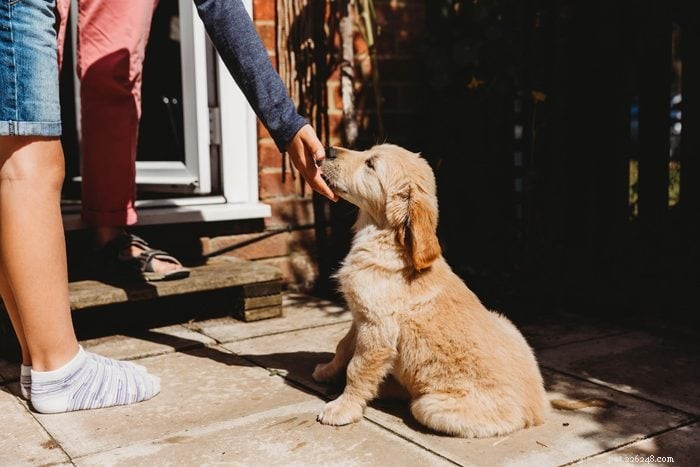
Bringing a puppy into your home is a joyous milestone, but it also demands patience, consistency, and a clear routine. The first few months are when a puppy’s brain is highly receptive, allowing you to lay the groundwork for a confident, well‑behaved adult dog and a harmonious household. Success hinges on establishing trust, teaching basic routines, and nurturing a calm bond.
Professional trainer Erin Askeland stresses that the priority should be making the puppy feel safe with you and your family, rather than jumping straight into advanced tricks. “Introducing overwhelming situations too early can create stress for both you and the dog,” she says.
Follow these expert‑approved tips to give your puppy a stress‑free, confident start.
Get Reader’s Digest’s Read Up newsletter for travel, humor, cleaning, tech and fun facts all week long.
 SolStock/Getty Images
Use Positive Reinforcement for Training
When a puppy pees on the rug or chews your slippers, punishment is a common mistake. Trainer Darris Cooper advises against fear‑based methods, noting that aversive techniques can harm a dog’s health and well‑being.
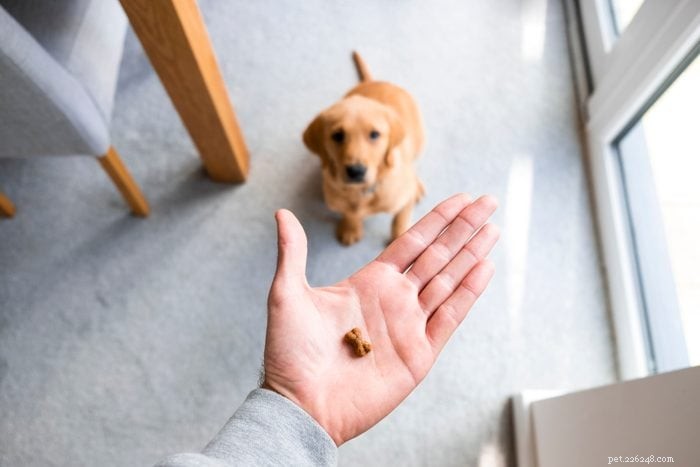
Instead, reward‑based training is faster, more effective, and strengthens the trust bond. Use a variety of high‑value treats and praise to create a positive association with the desired behavior.
Studies consistently show that positive reinforcement leads to quicker learning and fewer behavioral issues compared to punishment.
 Zuberka/Getty Images
Socialize Your Puppy Safely
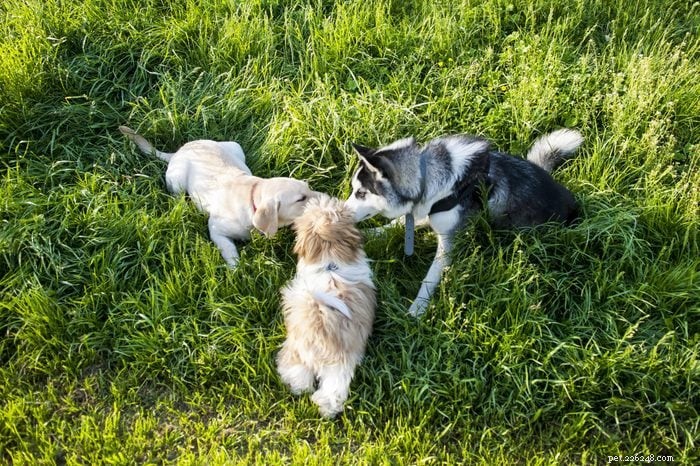
During a puppy’s first three months, exposure to new experiences outweighs fear. Askeland describes socialization as a gradual, ongoing process that helps dogs handle unpredictable situations.
Start with low‑stress environments—quiet streets or a calm park—and gradually increase exposure. Bring treats along to reinforce positive experiences and pause or retreat if the puppy shows signs of anxiety.
 schulzie/getty images
Potty Training: Consistency is Key
Potty training takes time and patience. A consistent routine—outside after meals, naps, or play—helps your puppy learn where to go. Reward immediately after they potty outdoors to reinforce the behavior.
Scolding can damage the bond and may lead to hidden accidents. Use a reusable puppy pad for indoor mishaps and clean with an enzyme cleaner to eliminate odors.
 11Audrey11/Getty Images
Crate Training for Safety and Comfort
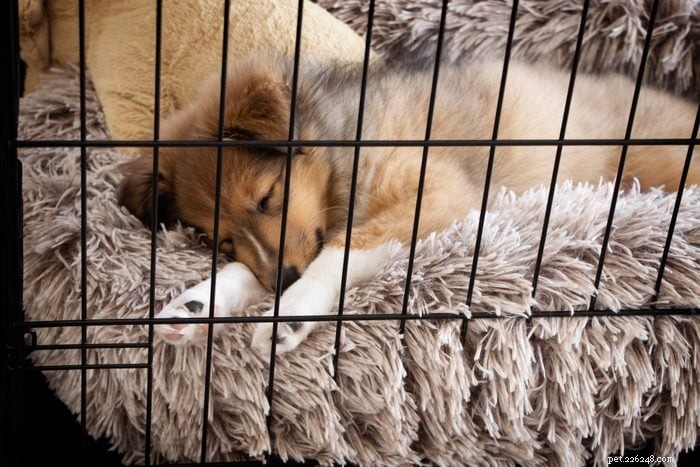
Crates are valuable tools for bladder control, preventing destructive behavior, and providing a safe space. Introduce the crate slowly, using treats, toys, or food‑stuffed mats to create a positive association.
Never use a crate as punishment and avoid leaving the puppy inside for extended periods. Ensure basic needs—potty, food, water, exercise—are met before crating.
 fotografixx/Getty Images
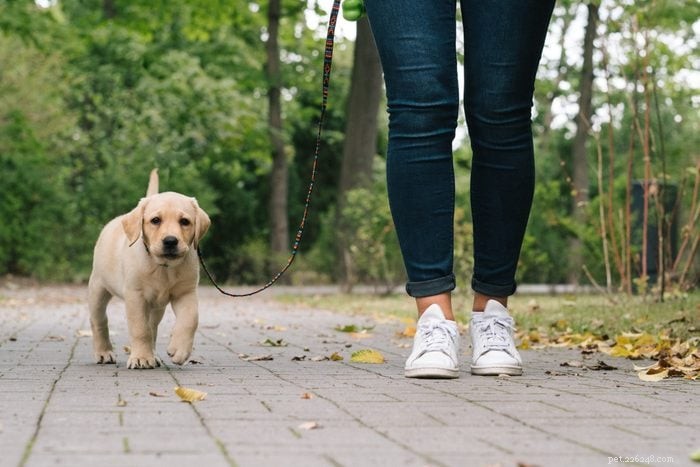
Leash Walking: Building Calm, Positive Associations
Start leash training indoors, pairing every step with tasty treats. If the puppy grabs the leash, pause and reward a calm posture before moving forward.
Use play, petting, and verbal praise as rewards. For nervous pups, keep sessions short and gradually increase duration.
 Annmarie Young Photography/Getty Images
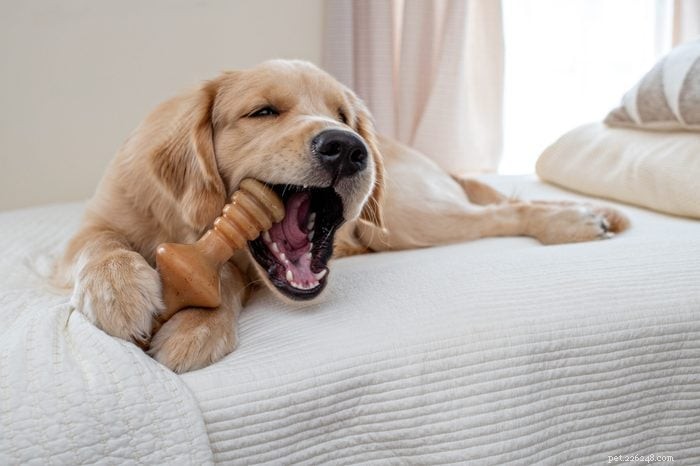
Teaching Your Puppy to Be Comfortable Alone
Gradual separation is essential to prevent anxiety. Begin by leaving the puppy alone for a few seconds with a food toy, then extend the time incrementally.
Practice this both in the crate and out of it. Once potty‑trained, a puppy should remain relaxed for several hours.
 Yolya/Getty Images
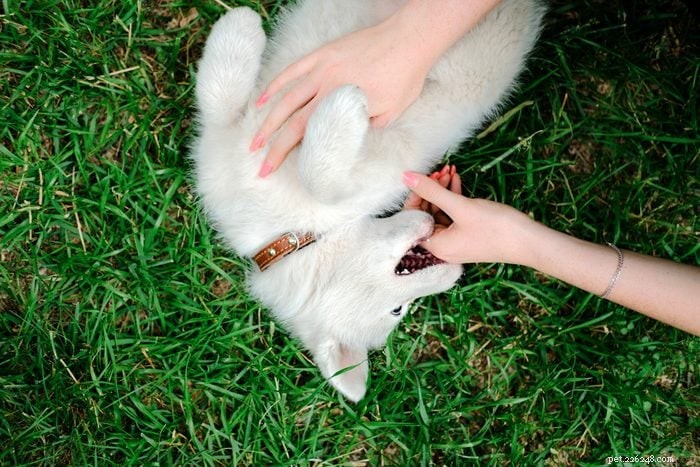
Preventing Nipping: Bite Inhibition Training
Nibbling is normal puppy play, but it must be channeled. When the puppy nips, stop play, say “Ow,” and redirect to a chew toy. If the behavior persists, leave the room briefly.
Puppies quickly learn that using teeth ends the fun.
 Sviatlana Barchan/Getty Images
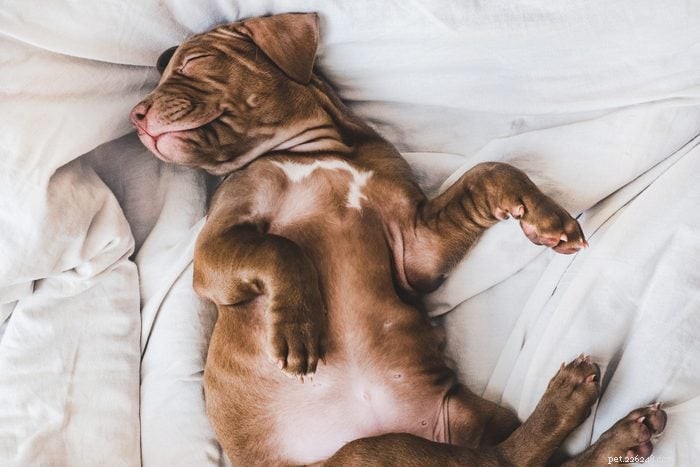
Helping Your Puppy Sleep Through the Night
First‑night howling can be stressful if handled poorly. Create a comfortable environment, maintain a consistent bedtime routine, and ensure the puppy has ample exercise, mental stimulation, and a final potty session.
Calming scents or soft music may aid sleep. If the puppy is anxious, keep the crate near your bed and gradually move it farther away over time.
 SolStock/Getty Images
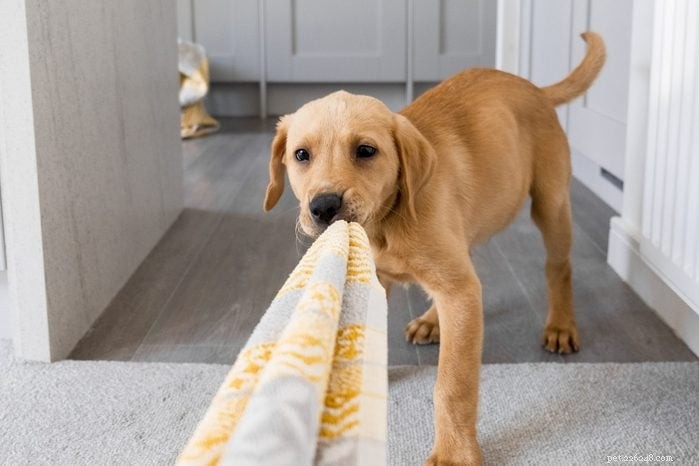
Discouraging Chewing on Furniture
Rotating a variety of durable chew toys keeps boredom at bay. Choose toys that match the puppy’s chewing strength and supervise closely to prevent destructive play.
Puppy‑proofing the home and eliminating tempting items reduces the risk of damage.
 ablokhin/Getty Images
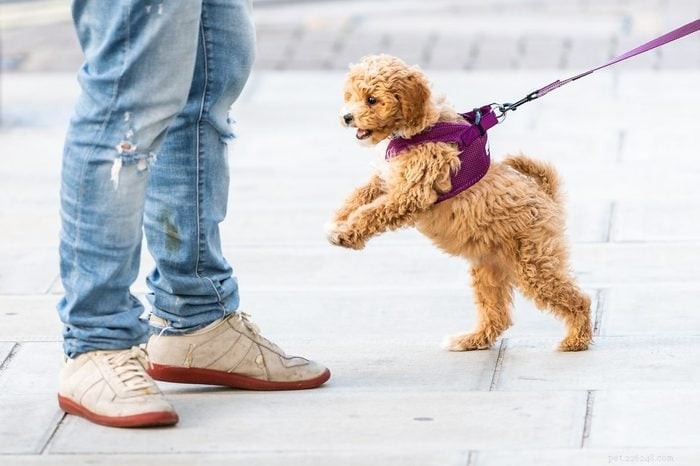
Stopping Jumping: Reward Calm Greetings
Jumping is a common unwanted behavior. Teach your puppy to go to its bed on cue, rewarding calm greetings with all four paws on the floor. A leash can help manage the situation if needed.
Consistency and patience will help eliminate the habit, regardless of breed or temperament.
Get Reader’s Digest’s Read Up newsletter for more pet tips, humor, cleaning, travel, tech and fun facts all week long.
About the Experts
- Erin Askeland – animal health and behavior expert, certified professional dog trainer at Camp Bow Wow, holds a master’s in clinical animal behavior and is a certified behavior consultant.
- Darris Cooper – national dog‑training manager at Petco, certified professional dog trainer, fear‑free trainer, AKC Canine Good Citizen evaluator, and diversity, equity and inclusion lead for the International Association of Animal Behavior Consultants.
- Nicole Ellis – certified professional dog trainer, AKC Canine Good Citizen evaluator, member of the Association of Professional Dog Trainers, and Rover’s Pet People Panel contributor.
- Kait Hembree – head of training at GoodPup, experienced in behavior modification in veterinary and shelter settings, national dog behavior consultant.
References
- Animals: “Characteristics of Excitable Dog Behavior Based on Owners’ Report from a Self‑Selected Study”
- BioRxiv: “Does Training Method Matter?: Evidence for the Negative Impact of Aversive‑Based Methods on Companion Dog Welfare”
- Applied Animal Behaviour Science: “Survey of the Use and Outcome of Confrontational and Non‑Confrontational Training Methods in Client‑Owned Dogs Showing Undesired Behaviors”
- Journal of Veterinary Behavior: “The Relationship between Training Methods and the Occurrence of Behavior Problems, as Reported by Owners, in a Population of Domestic Dogs”
- Pet Behavior
- Pet Breeds
- Pet Names
- Pet Adoption
- Pet Training
- Pet Information
- Pet Health
- Adorable Pets
- Dogs
- Improve Your Cat's Health with Glacier Point Pet Water Fountains
- Do Saddles Hurt Horses? Why Bareback Riding Might Be Worse
- Why Dogs Prefer Sitting on Chairs: Understanding Their Comfort and Behavior
- Enhance Your Puppy’s Brain Development: Proven Tips
- Do Dogs Really Detect Natural Disasters? Exploring the Science Behind Their Alleged Sixth Sense
- Horse Space Requirements: A 2022 Guide to Ideal Land Area
- Bird Poop Guide: How to Track and Interpret Your Bird's Droppings for Optimal Health