

The Six Dog Groups You’ll Encounter at Official Dog Shows
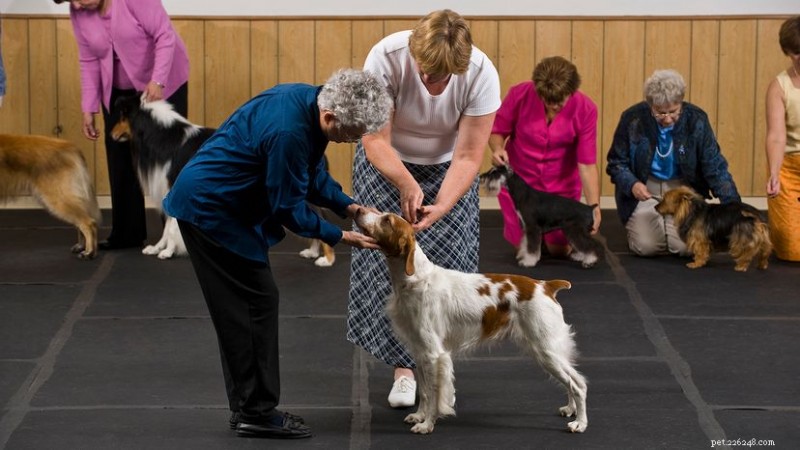
Dogs have evolved alongside humans for thousands of years, bred for tasks ranging from herding and hunting to companionship. Each breed reflects a specific set of functions honed by centuries of selective breeding.
The American Kennel Club (AKC) lists over 400 recognized breeds, each with distinct strengths and quirks—from sleek, muscular hounds to small, affectionate companions.
1. Sporting Group
Sporting breeds were originally developed for hunting and retrieving. They are athletic, friendly, and thrive in active family settings.
Cocker Spaniel
The Cocker Spaniel combines a luxurious coat with a friendly, athletic temperament. Originally a hunting dog, it excels at scent work and retrieving, making it a popular family companion.
Golden Retriever
Born in Scotland, the Golden Retriever was bred to retrieve game from water and land. Its water‑repellent coat and natural love of swimming have made it a top choice for guide dogs, therapy work, and family pets alike.
2. Working Group
Working breeds are built for demanding physical tasks—sledding, guarding, and rescue. They are strong, intelligent, and often serve in police, military, or Arctic roles.
Alaskan Malamute
Part of the Spitz family, the Alaskan Malamute is engineered for endurance in harsh Arctic conditions. Its triple coat protects it from extreme cold, making it a dependable sled dog.
German Shepherd
The German Shepherd is a versatile workhorse, renowned for its strength, intelligence, and loyalty. It excels in police work, military service, herding, and search‑and‑rescue missions.
3. Terrier Group
Terriers were bred to hunt and root out vermin, resulting in bold, energetic dogs that are independent and spirited.
Airedale Terrier
Known as “The King of Terriers,” the Airedale is a well‑balanced, athletic dog. It was bred for hunting, guarding, and herding, and remains a favorite for its intelligence and loyalty.
Bull Terrier
The Bull Terrier’s distinctive egg‑shaped head belies its playful, energetic nature. Its lean, muscular build makes it well suited for active families.
Staffordshire Bull Terrier
Despite its tough appearance, the Staffordshire Bull Terrier is affectionate, courageous, and thrives when given regular activity and mental stimulation.
West Highland Terrier
The Westie is a lively, inquisitive terrier with a thick white coat. Small in size but big in personality, it remains a beloved companion for many households.
4. Hound Group
Hounds were bred for tracking and hunting, relying on scent or sight. This group includes the nose‑trained Basset Hound and the elegant Afghan Hound.
Basset Hound
The Basset Hound’s long ears and keen sense of smell make it an expert tracker. Its friendly disposition and low maintenance needs make it an excellent family pet.
Afghan Hound
Elegant and independent, the Afghan Hound was bred for hunting in mountainous terrain. Its sleek build and luxurious coat add to its regal presence.
Leopard Hound
The Leopard Hound combines endurance, intelligence, and adaptability. It was developed for hunting across diverse terrains, making it one of the most capable tracking breeds.
5. Herding Group
Herding breeds were created to control and move livestock. The Border Collie stands out for its intelligence, focus, and work ethic.
Border Collie
Originating from wolves, the Border Collie is celebrated for its intense focus and agility. It excels in obedience training and canine sports.
Australian Cattle Dog
Compact, muscular, and highly energetic, the Australian Cattle Dog was bred to herd livestock across rugged terrain. It thrives on mental and physical challenges.
6. Non‑Sporting Group
Breeds in this group don’t fit other categories but are often valued for companionship and general utility.
French Bulldog
The French Bulldog is a small, energetic companion known for its distinctive bat‑like ears and affectionate nature. It’s a top choice for city dwellers.
American Eskimo Dog
With a fluffy white coat, the American Eskimo Dog is alert, energetic, and highly trainable, making it a beloved companion for active households.
A Unique Breed
Japanese Akita Inu
The Akita Inu traces its roots to ancient Japan, celebrated for its dignified appearance and agile build. After a severe decline, dedicated breeders revived the breed, and the Japanese Akita Inu Club of America was founded in 1997 to promote its welfare.
- Pet Behavior
- Pet Breeds
- Pet Names
- Pet Adoption
- Pet Training
- Pet Information
- Pet Health
- Adorable Pets
- Dogs
- The Science Behind Dogs' Obsession With Squeaky Toys
- Supporting Your Cat When You're Facing Food Insecurity
- Do Dogs Detect Bleach? Understanding Their Superior Smell Sensitivity
- Quarantine Dog Grooming: Key Essentials for At-Home Care
- How Dogs Communicate: Decoding Canine Body Language
- Litter‑Robot 3 vs. 2: Choosing the Best Auto‑Litter Box for Your Cat
- From 30 Days to 5 Years: The Rescue Story of Demon & Devil