

Red Heeler vs. Blue Heeler: Same Breed, Different Coats – The Australian Cattle Dog Explained
OlgaOvcharenko / Shutterstock
At first glance, the debate over red versus blue heelers might seem like a clash between two distinct breeds. In reality, they’re simply color variations of the same robust, intelligent Australian Cattle Dog.
What Is an Australian Cattle Dog?
The Australian Cattle Dog was created in the 1800s by crossing blue‑speckled Highland Collies with dingoes, and later incorporating breeds such as the black‑and‑tan Kelpie. The result is a hardy, highly intelligent herder built for the rugged Australian outback.
Known as blue heelers, red heelers, or Queensland heelers, these dogs earned their nicknames from the classic “heel” technique of nipping cattle’s hind legs to guide them.
Both the American Kennel Club and the Australian National Kennel Council classify Australian Cattle Dogs as herding dogs and enforce strict breed standards. Their dense, weather‑resistant coats keep them comfortable during long hours outdoors.
Beyond herding, they excel in agility, obedience, and any activity that challenges their intellect and stamina.
Red Heeler vs. Blue Heeler: Same Breed, Different Coats
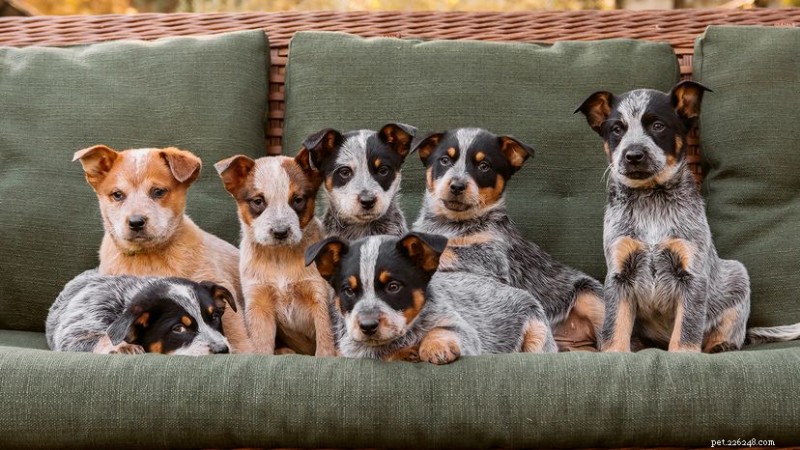
Coat color is the only visible difference between the two variants. Blue heelers feature a mix of black and white hairs, producing a blue‑speckled or mottled appearance, sometimes with tan or black patches. Red heelers display red hairs within a white background, giving a red‑speckled look that may include solid red markings.
Both puppies are born almost entirely white; their true colors emerge as they mature. Some dogs even exhibit a combination of red and blue speckles, adding to their individuality.
Coat color does not influence temperament or working ability. Whether blue or red, they share the same focus, energy, and herding instincts.
Behavior, Training and Physical Traits
Australian Cattle Dogs thrive on consistent obedience training, early socialization, and ample physical exercise. They bond closely with their families and can be reserved around strangers. Owners should provide regular dog sports, fetch sessions, or hiking to satisfy their need for movement.
Training needs evolve with age, but early puppy training yields lasting results. While males may appear slightly more dominant, personality largely depends on upbringing.
Built for endurance, their strong legs and muscular build enable efficient travel over rough terrain. Shedding can be intense, especially for active dogs spending much time outdoors.
Health and Lifespan
Generally healthy, Australian Cattle Dogs can be prone to genetic conditions such as progressive retinal atrophy (PRA) and hip dysplasia. Reputable breeders screen for these disorders.
With proper care—routine vet visits, a balanced diet, and mental and physical stimulation—these dogs can live up to 15 years. Regular brushing during shedding season helps manage their thick coats.
A Colorful Legacy
Choosing a red or blue heeler means welcoming a dog with strong herding instincts and vibrant personality. Blue dogs often receive more media attention, but red heelers are equally capable and loyal.
Organizations like the Australian Cattle Dog Club preserve the breed’s rich history and standards, ensuring future generations maintain their excellence.
In short, the only difference between red and blue heelers is color; heart, drive, and talent remain identical.
This article was produced with AI assistance and fact‑checked by a HowStuffWorks editor.
- Pet Behavior
- Pet Breeds
- Pet Names
- Pet Adoption
- Pet Training
- Pet Information
- Pet Health
- Adorable Pets
- Dogs
- Safe Flea Treatment for 2-Week-Old Puppies: A Professional Guide
- Pet Asthma: Signs, Causes & How to Help Your Furry Friend Breathe Easier
- KatDen Cat Kennels: Secure Outdoor Freedom for Your Feline
- Understanding Dog Snoring: Causes and How to Keep Them Healthy
- Proven Herbal Solutions to Relieve Your Pet’s Itchy Skin
- Are Hibiscus Plants Safe for Your Dog? Expert Veterinary Insights
- 10 Essential Facts About Bengal Cats Before You Adopt