

15 Curly‑Coated Dog Breeds You’ll Love
1. Poodle
Whether standard, miniature, or toy, the poodle’s distinctive curly coat has earned it a spot as one of the world’s most beloved breeds. Originally bred to retrieve ducks from water, poodles now thrive as family companions, celebrated for their dignified posture and expressive eyes. Their hypoallergenic, non‑shedding coat makes them ideal for households with allergies. Active poodles love vigorous play—fetching sticks or balls for hours—so regular exercise is essential. To keep their fur tangle‑free, daily brushing and routine trims are recommended.
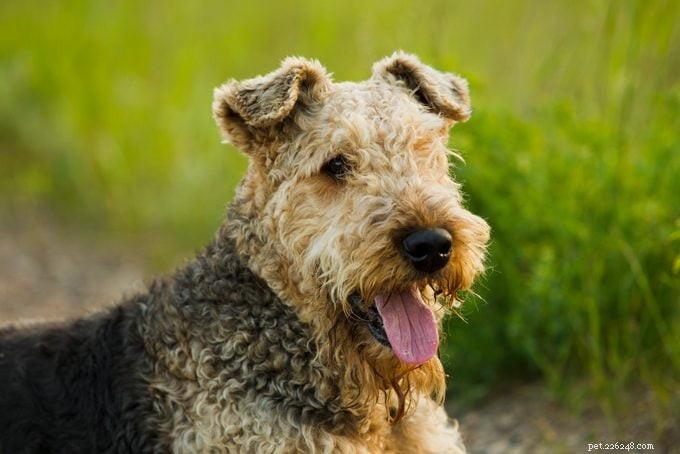
2. Airedale Terrier
The Airedale Terrier, the largest of the terriers, was originally bred around the factories of Aire in England for duck hunting and rodent control. This spirited breed still retains a keen prey instinct and a playful, loyal nature. Their wiry, tightly curled coat requires regular brushing, though a haircut a few times a year typically suffices. Low‑shedding and hypoallergenic, Airedales are a good fit for allergy‑prone households.
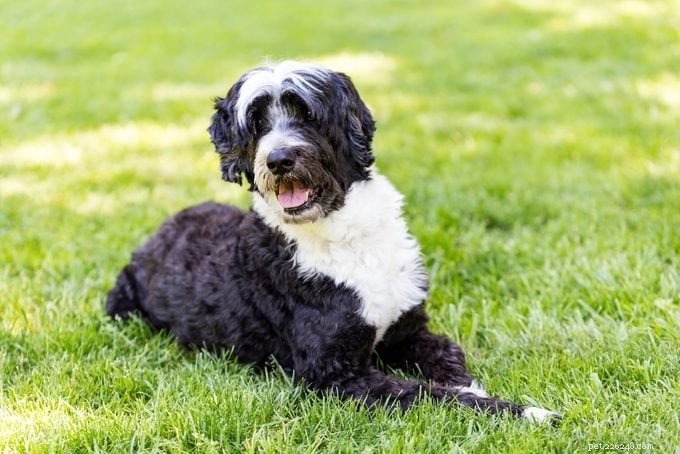
3. Portuguese Water Dog
Iconic for serving as the Obama family’s companion, the Portuguese Water Dog was bred to herd fish into nets and endure cold water. Its thick, curly coat is naturally water‑repellent and hypoallergenic, even though the breed can shed. Daily brushing and occasional trimming keep the coat clear of debris, especially around the eyes. These dogs are intelligent, trainable, and thrive in active families.
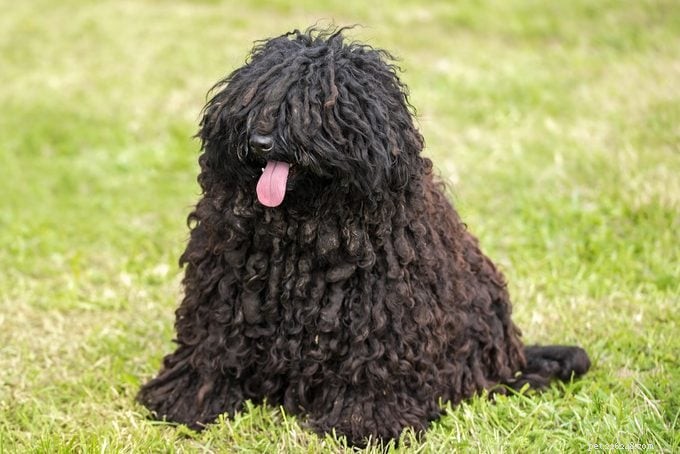
4. Puli
The Puli’s long, corded curls give it the appearance of a four‑legged mop. Originally a herding dog in Hungary, it remains resilient in cold, wet conditions. The breed’s distinctive dreadlock‑like coat can be left corded, combed out, or trimmed short—though trimming should be performed by a professional groomer. Pulis are playful, obedient, and excellent family pets.
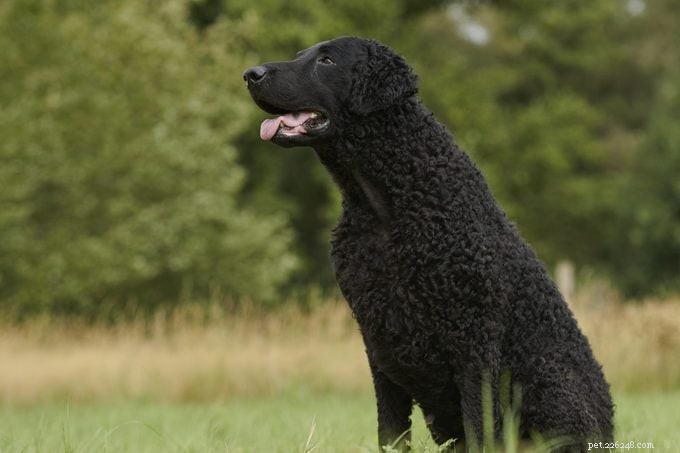
5. Curly‑Coated Retriever
These large retrievers boast a dense, ring‑curled coat that is naturally water‑repellent. Grooming is minimal—an occasional pass with a grooming rake is sufficient. Intelligent and energetic, Curly‑Coated Retrievers need regular exercise and mental stimulation to stay balanced.
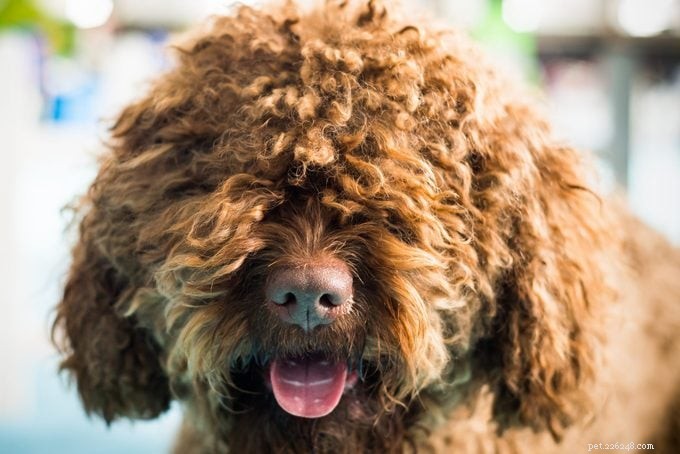
6. Barbet
The Barbet’s long, shaggy coat often sees it sporting a barrette or hair tie to keep fur out of the eyes. Low‑shedding, these friendly dogs require weekly brushing to prevent matting. Thriving in water, Barbets enjoy swimming and need ample exercise to channel their boundless energy.
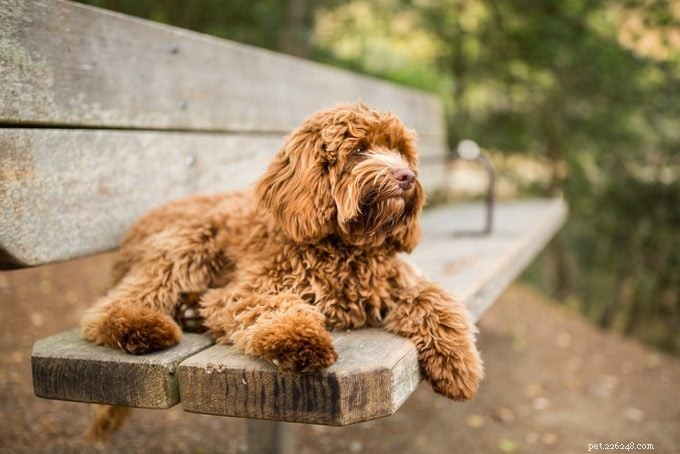
7. Labradoodle
Though not an officially recognized breed, the Labradoodle— a cross between a poodle and a Labrador Retriever—has become one of the most popular mixed‑breed dogs. Coat type ranges from curly to wavy to wiry, depending on the amount of poodle genetics. Labradoodles do not shed but do need regular brushing. They are highly social and require consistent mental and physical activity.
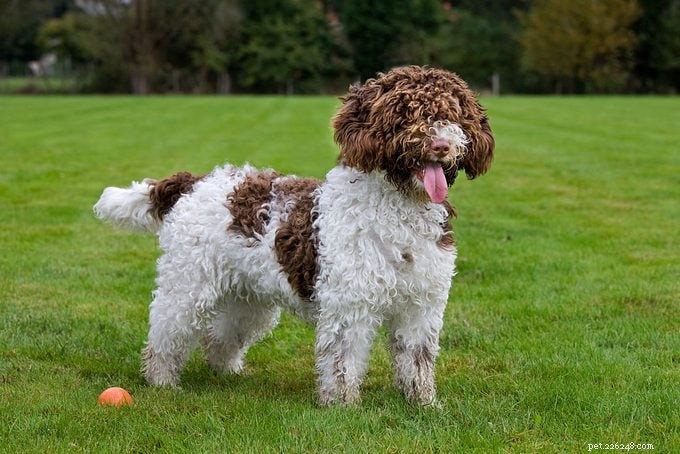
8. Spanish Water Dog
These agile, spirited dogs feature long, mop‑like coats that can be corded in the same fashion as a Puli. Their coats are left to curl naturally, and brushing is unnecessary. Spanish Water Dogs possess a strong herding instinct and excel in active households that can provide ample exercise.
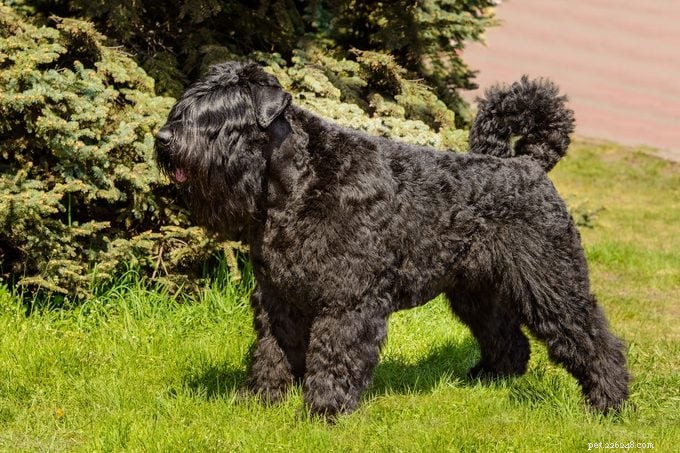
9. Bouvier des Flandres
Originating in Flanders, Belgium, the Bouvier des Flandres was bred as a hard‑working farm dog. Nearly lost during the World Wars, it now serves as a loving family companion and dependable guard dog. Its curly‑wavy coat requires daily brushing, and the breed benefits from a large, fenced yard to expend its boundless energy.
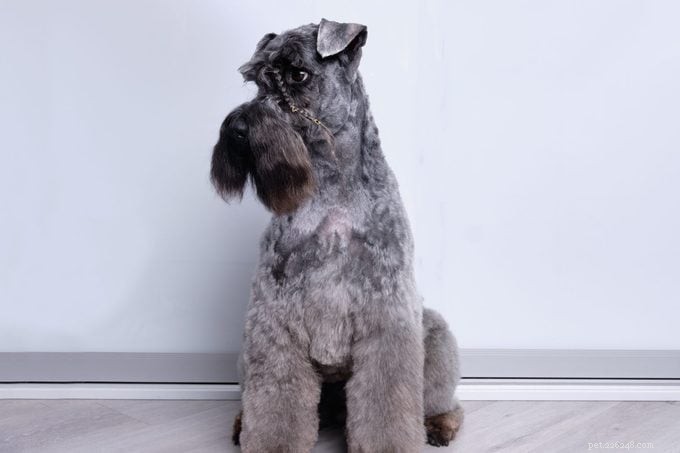
10. Kerry Blue Terrier
With a distinctive blue‑grey, tightly curled coat, the Kerry Blue Terrier was originally a rodent hunter and later a herding dog. These loyal companions thrive with early obedience training. Their coats need frequent brushing and grooming every six to eight weeks, either at home or by a professional.
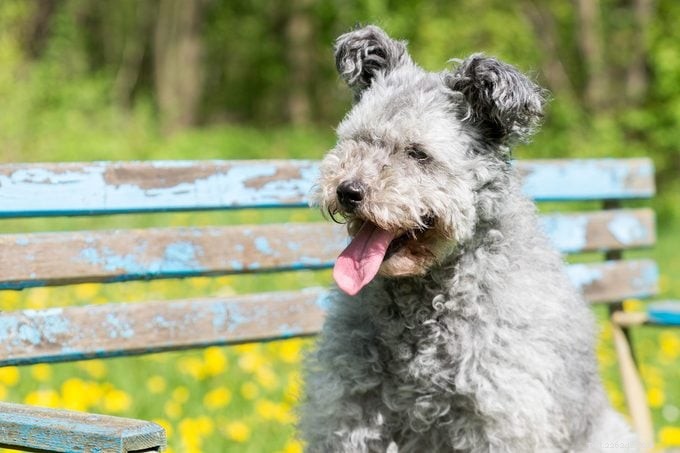
11. Pumi
The Pumi, a Hungarian herding dog, sports softly curled hair that is easy to maintain. Light shedding requires brushing a few times weekly and occasional wet down to keep curls lively. This energetic breed enjoys tasks such as herding or fetch, and grooming needs are minimal aside from facial trimming.
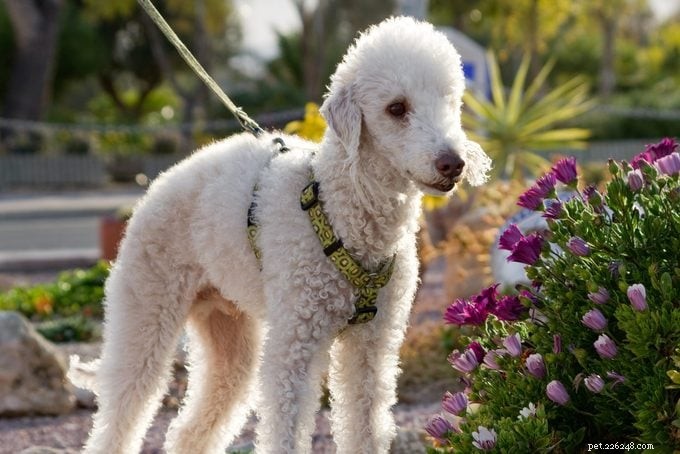
12. Bedlington Terrier
The Bedlington Terrier’s unique pear‑shaped head and fluffy, lamb‑like coat make it a standout. Though non‑shedding, regular brushing—several times a week—is essential to prevent matting. Many owners opt for a sheared look to accentuate the breed’s shape. Loyal and playful, Bedlingtons enjoy interaction with children.
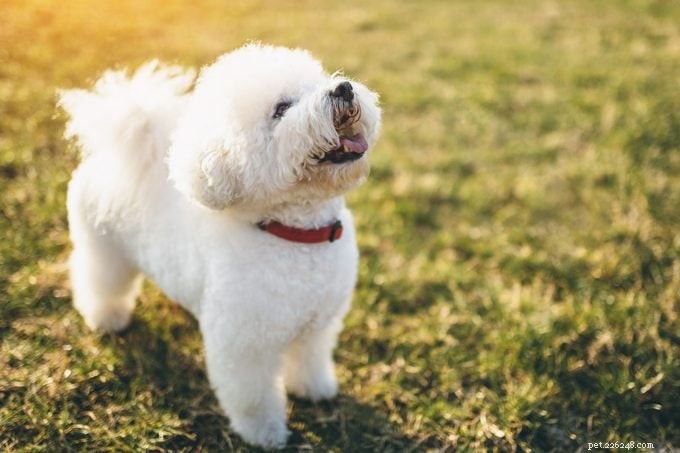
13. Bichon Frise
With its fluffy white coat and teddy‑bear appearance, the Bichon Frise is a hypoallergenic favorite. These affectionate dogs excel in apartments but require frequent grooming—almost daily brushing and regular professional visits—to maintain their signature coat.
14. Irish Water Spaniel
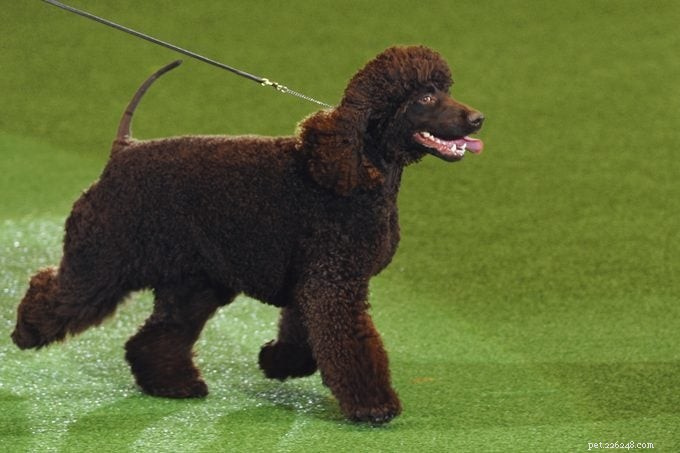
Combining the features of a Cocker Spaniel with the size and coat of a Standard Poodle, the Irish Water Spaniel is a natural swimmer with webbed feet. Its oil‑rich, water‑repellent coat holds dirt, so regular brushing and occasional trimming are necessary. These energetic dogs love water play and need constant stimulation.
15. Komondor
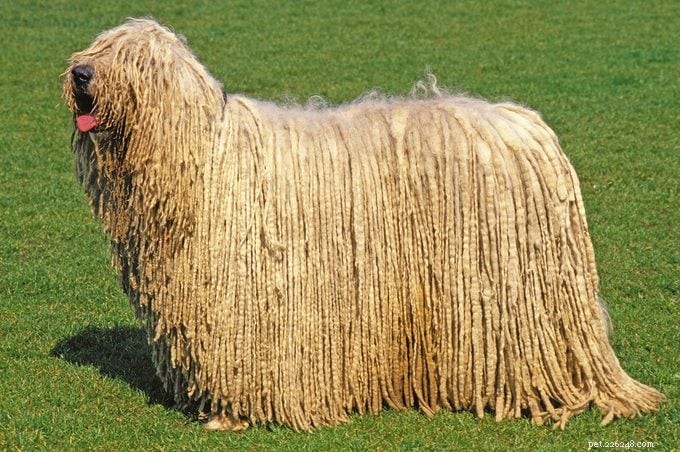
The Komondor, with its distinctive corded coat, was originally bred to protect sheep. A seasoned owner should consider this breed, as it requires extensive space and daily exercise. Grooming is labor‑intensive: cords must be maintained, and the dog should never be left wet, as a damp coat can become smelly and difficult to dry.

- Pet Behavior
- Pet Breeds
- Pet Names
- Pet Adoption
- Pet Training
- Pet Information
- Pet Health
- Adorable Pets
- Dogs
- Key Red Flags: Early Cancer Warning Signs in Dogs
- Welcome a New Family Member Without Four Paws: Expert Tips for Pet Introductions
- 2026 Guide to the Best Small‑Dog Harnesses: Features, Fit, and Top Recommendation
- Keep Your Pets Cool and Safe This Summer: Expert Tips for Hot Weather
- When Is the Temperature Too Low for Your Cat?
- How to Feed Your Dog for Vibrant Skin and a Glossy Coat
- Canine Hypothyroidism: Recognizing Symptoms, Diagnosis, and Effective Treatment for a Healthier Life