

Dry Eye in Senior Pets: Spot, Diagnose, and Manage the Condition
As pets age, a host of health issues arise—arthritis, hearing loss, and mobility problems often capture the spotlight, yet eye health warrants equal scrutiny. One frequently overlooked condition in older dogs and cats is dry eye, or keratoconjunctivitis sicca (KCS).
Dry eye occurs when the tear glands fail to produce enough fluid to keep the eye’s surface adequately lubricated. While it may seem minor, untreated KCS can cause chronic discomfort, recurrent infections, corneal ulcers, scarring, and even vision loss in senior animals (Fentiman & McCool, 2026).
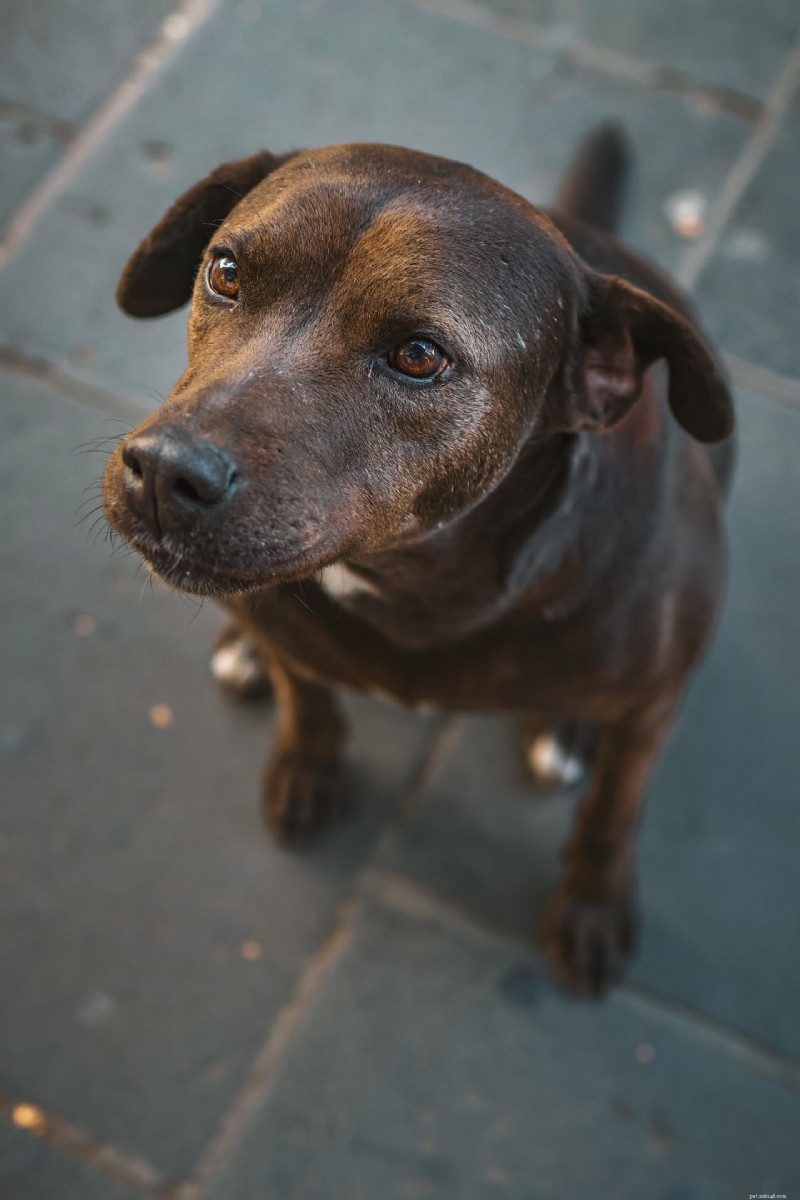
What Is Dry Eye (Keratoconjunctivitis Sicca)?
Tears are more than moisture; they clean the eye, deliver oxygen and nutrients, defend against microbes, and maintain clear vision (Gelat, 2003). When tear production drops, the surface dries, inflames, and becomes a breeding ground for bacteria. The body may compensate by producing viscous mucus, giving the eye a cloudy appearance.
Persistent dryness can damage the cornea—its clear outer layer—leading to scarring and vision impairment.
Why Are Senior Pets More Prone to Dry Eye?
Age affects the tear glands, reducing output. Neurological disorders and certain medications common in older pets can further suppress tear production (Leonard et al., 2019). Because senior animals often juggle multiple health issues, dry eye may develop gradually and go unnoticed until it becomes severe.
Regular veterinary exams become crucial as pets enter their senior years.
Causes of Dry Eye in Senior Pets
Several factors contribute to KCS in aging dogs and cats.
Age‑Related Tear Gland Decline
Natural aging diminishes tear‑gland function. While not all seniors develop KCS, older age increases risk.
Immune‑Mediated Disease
The most common cause in dogs is an autoimmune reaction that attacks the lacrimal and third‑eyelid glands, reducing tear output (Dodi, 2015). The condition usually progresses slowly without intervention.
Medication Side Effects
Sulfa antibiotics, antihistamines, sedatives, and some anti‑inflammatories can lower tear production. Because seniors are often on chronic meds, a medication review is essential.
Endocrine Disorders
Conditions like diabetes, hypothyroidism, and Cushing’s disease can impair tear production. These disorders are more common with age, indirectly increasing KCS risk.
Neurological or Nerve Damage
- Ear or inner‑ear infections
- Traumatic injuries
- Infectious diseases
- Neurological disease
- Surgical procedures
Disrupted nerve signals reduce tear secretion.
Breed Predisposition
Breeds such as Cocker Spaniels, Bulldogs, Shih Tzus, Lhasa Apsos, Pugs, Boston Terriers, and West Highland White Terriers have a higher incidence of KCS. Some are also prone to congenital alacrimia, limiting tear production from birth.
Dry Eye in Cats
Dry eye is less common in cats but can arise from chronic viral infections, immune‑mediated disease, allergies, age‑related changes, or certain drugs. Cats often mask discomfort, making symptoms subtle (Donato et al., 2024).
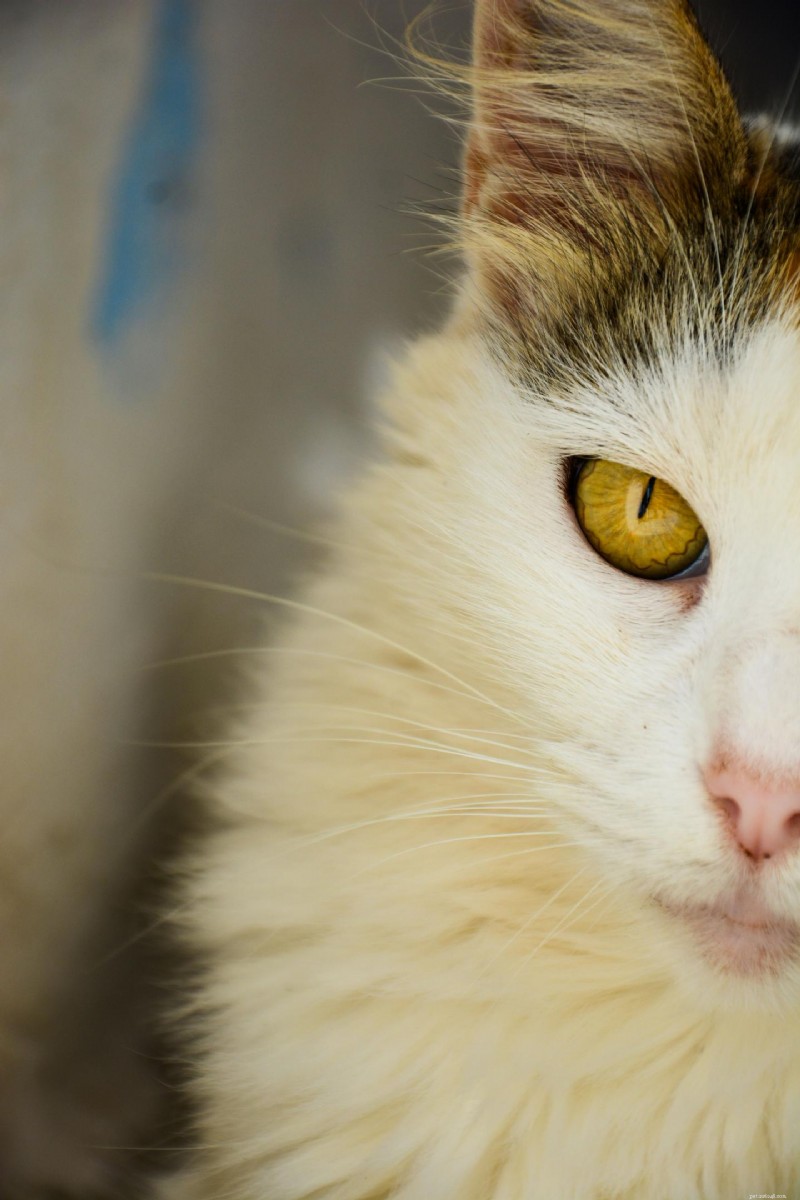
Signs and Symptoms of Dry Eye
Dry eye can affect one or both eyes. Common signs include:
Thick, Sticky Discharge
Mucoid, yellow or greenish mucus is a hallmark. Owners may notice the eye looking cloudy or opaque.
Redness and Irritation
Inflamed, reddened eyes indicate underlying discomfort.
Frequent Blinking and Squinting
Excessive blinking or squinting reflects attempts to relieve dryness.
Dull or Cloudy Appearance
Healthy eyes are bright and moist. A dull look may signal vision impairment.
Pawing or Rubbing at the Face
Animals may use their paws or furniture to soothe irritation.
Light Sensitivity
Bright light becomes uncomfortable.
Behavioral Changes
Chronic irritation can lead to lethargy, irritability, or withdrawal. Overlap with other eye conditions necessitates professional evaluation.
Complications of Untreated Dry Eye
Ignoring KCS can lead to serious outcomes:
Corneal Ulcers
Without adequate lubrication, the cornea can develop painful ulcers.
Chronic Infections
Tear fluid removes bacteria; reduced flow increases infection risk.
Corneal Scarring and Pigmentation
Long‑term inflammation may leave permanent scars or dark patches, impairing vision.
Vision Loss
In severe, untreated cases, partial or complete blindness may occur. Early intervention drastically reduces these risks.
Diagnosing Dry Eye
Diagnosis is straightforward:
Physical Examination
The vet checks for inflammation, discharge, corneal damage, secondary infection, and measures intra‑ocular pressure with a tonometer.
Schirmer Tear Test
A small paper strip is placed under the lower eyelid for ~1 minute. The strip measures tear output, indicating whether adequate moisture is present. It is quick, safe, and well tolerated.
Corneal Staining
Fluorescein dye detects corneal scratches or ulcers.
Additional Tests
- Complete blood count and chemistry
- Hormone profiling
- Neurological assessment
- Medication review
Identifying contributing factors informs targeted treatment.
Treatment Options
While not curable in all cases, KCS can be managed successfully—early, consistent care is vital.
Tear‑Stimulating Medications
Cyclosporine and tacrolimus are commonly prescribed to increase tear production and reduce inflammation.
Artificial Tears
Lubricating eye drops supplement moisture and improve comfort. Frequency depends on severity.
Antibiotics
Secondary bacterial infections warrant topical antibiotics.
Anti‑Inflammatory Drugs
Controlling inflammation protects the eye and enhances comfort.
Treating Underlying Conditions
Managing diabetes, hypothyroidism, or other systemic diseases improves ocular outcomes.
Long‑Term Management
Dry eye often requires lifelong therapy. Consistency and monitoring are key.
Follow Medication Instructions
Missing doses can quickly reverse progress.
Regular Rechecks
Periodic exams, including repeat tear tests, track efficacy. Most dogs improve within ~12 weeks of therapy.
Monitor for New Symptoms
Sudden increases in discharge, redness, squinting, or vision changes warrant prompt veterinary attention.
Home Care Tips
Owners play a pivotal role in maintaining eye comfort:
Clean the Eye Area Gently
Use a soft, damp cloth; avoid harsh soaps or human eye products.
Limit Environmental Irritants
Reduce exposure to smoke, dust, strong chemicals, and high wind.
Promote Overall Health
Balanced nutrition, routine vet visits, and chronic disease management support ocular health.
Maintain Consistent Medication Use
Adherence to the treatment plan determines success.
Living with a Senior Pet with Dry Eye
A dry eye diagnosis can feel daunting, but most pets adapt to daily eye care. With proper management, they can enjoy walks, play, and family time—retaining a high quality of life and clear vision.
When to Seek Immediate Veterinary Care
Contact your vet promptly if your pet develops any of the following:
- Sudden eye redness
- Severe squinting
- Eye swelling
- Cloudy appearance
- Signs of vision loss
- Excessive discharge
- Obvious pain
Early evaluation—especially by a veterinary ophthalmologist—improves outcomes in severe or refractory cases.
Key Take‑aways
Dry eye is a common chronic eye condition in senior pets. Subtle symptoms—mild discharge or occasional redness—can progress to pain and vision loss if ignored. Modern veterinary medicine offers reliable diagnostic tools and effective treatments. Consistent follow‑up and home care help most seniors maintain comfortable, clear vision throughout their later years.
References
Dodi, P. L. (2015). Immune‑mediated keratoconjunctivitis sicca in dogs: current perspectives on management. Veterinary Medicine: Research and Reports, 341‑347.
Donato, L. M., Moutinho, I., Mendes de Oliveira, V., & Ferreira Gonçalves, G. (2024). Impact of stress on tear production in healthy cats. Journal of Feline Medicine and Surgery, 26(3), 1098612X241233116.
Fentiman, K. E., & McCool, E. S. (2026). Conjunctivitis and Keratitis. The Feline Patient, 177‑181.
Gelat, K. N. (2003). Keratoconjunctivitis sicca in dogs and cats.
Leonard, B. C., Stewart, K. A., Shaw, G. C., Hoehn, A. L., Stanley, A. A., Murphy, C. J., & Thomasy, S. M. (2019). Comprehensive clinical, diagnostic, and advanced imaging characterization of the ocular surface in spontaneous aqueous deficient dry eye disease in dogs. Cornea, 38(12), 1568‑1575.
Reinstein, S. (2016). Dry eye in dogs: give them something to cry about.
Williams, D. L. (2008). Immunopathogenesis of keratoconjunctivitis sicca in the dog. Veterinary Clinics of North America: Small Animal Practice, 38(2), 251‑268.
- Pet Behavior
- Pet Breeds
- Pet Names
- Pet Adoption
- Pet Training
- Pet Information
- Pet Health
- Adorable Pets
- Dogs
- Wheaton Animal Hospital’s 2020 Best Pet Blogs: Our Top 5 Picks
- 7 Proven Strategies for Landlords to Successfully Rent to Pet Owners
- Why German Shepherds Chase Their Tails – Causes, Risks, and How to Stop It
- Why Cats and Horses Can Be Unexpected Best Friends: 5 Surprising Reasons
- Inside the Humane Society Fund: Empowering Animal Shelters & Rescues
- 12 Surprising Facts About Corn Snakes Every New Owner Should Know
- Neapolitan Mastiff: Profile, History, Care & Family Companion