

Perfect Daily Puppy Routine: A Step‑by‑Step Guide for 2026
Bringing home a new puppy is exciting, but it also brings a lot of responsibility. A consistent daily routine gives your puppy the security they need, speeds up potty training, and helps you both enjoy a happier life together.
Why a Routine Matters
Puppies thrive on predictability. A set schedule reduces stress, supports proper sleep, encourages good behavior, and makes training far easier. Even adult dogs benefit from a regular routine.

Key Elements of a Balanced Schedule
1. Sleep
Guideline: Puppies under 6 months need 18‑20 hours of sleep per day, including several naps.
Provide a quiet, comfortable crate or bed where your pup can rest undisturbed. Consistent sleep supports growth, brain development, and a calmer temperament.
- Overtired puppies become cranky and harder to train.
- Ensure the sleeping area is safe and free of drafts.
2. Feeding
Guideline: 2‑3 meals daily at 8 weeks old.
Feed at the same times each day to regulate digestion and aid potty training. Consult your vet for the right portion size and food type for your puppy’s breed and activity level.
- Serve the final meal 3‑4 hours before bedtime.
- Separate your puppy’s bowl from older dogs to avoid food aggression.
3. Exercise & Play
Guideline: About 10 minutes of walk, twice a day, at 8 weeks.
Short, frequent walks combined with interactive play keep your puppy physically fit and mentally stimulated. Aim for 30‑60 minutes of total activity each day, adjusting for breed and health.
- Avoid over‑exercising; a few minutes per month of age is sufficient.
- Use playtime as a chance for basic obedience training.
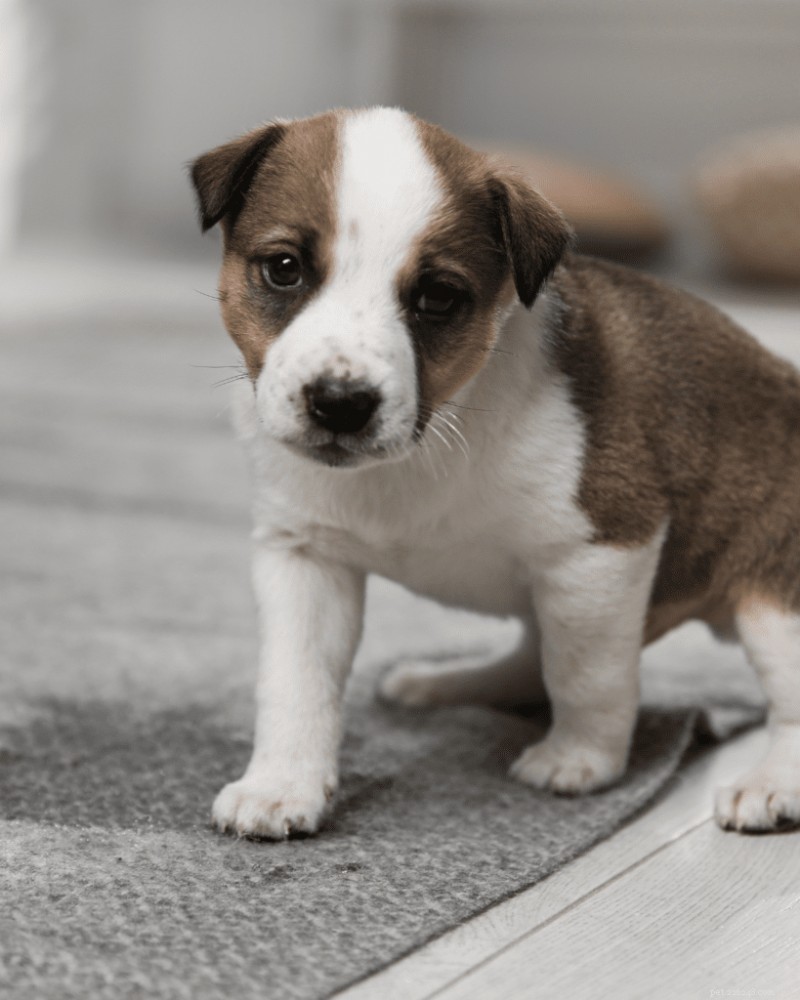
4. Potty Training
Guideline: Take your puppy out every 1‑2 hours; expect a poop about 3 hours after meals.
Consistency is key. Praise immediately after a successful outdoor elimination and clean accidents without punishment.
- Watch for cues (sniffing, circling) rather than relying on bells.
- Avoid indoor potty pads if possible; they can delay outdoor training.
5. Quality Bonding Time
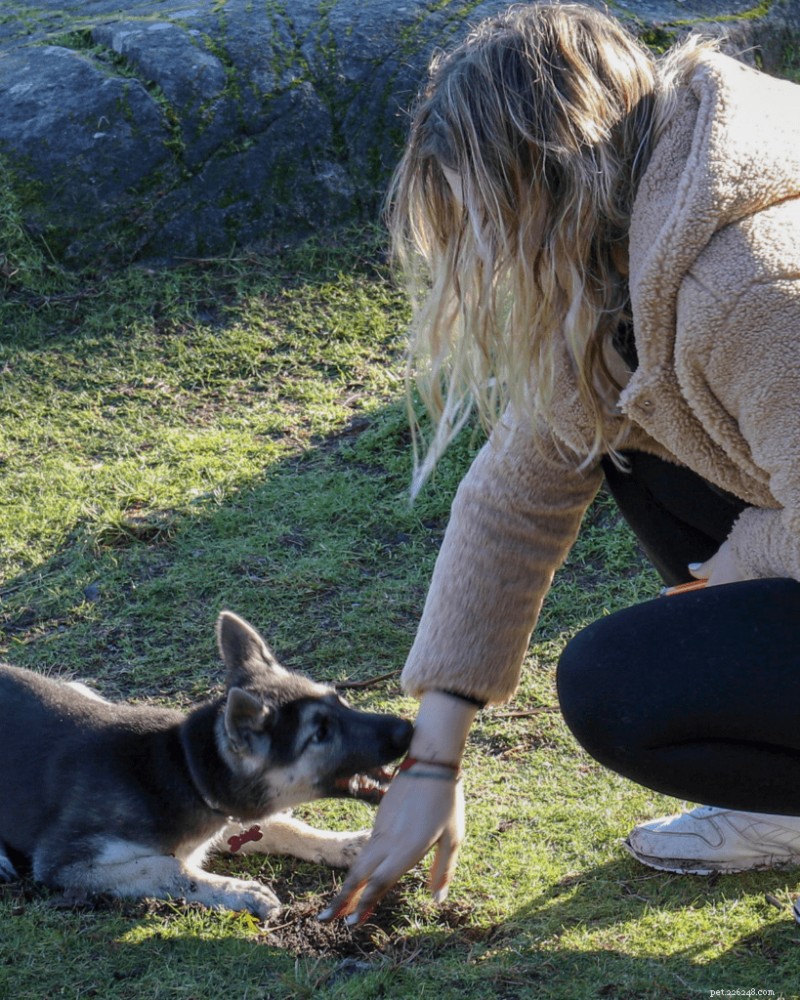
Spend daily moments cuddling, grooming, or simply being together. Positive interaction builds trust and helps your puppy feel secure.
- Reward calm behavior; a relaxed pup learns faster.
- Even quiet time can count as bonding.
6. Training Sessions
Short, focused sessions (5‑10 minutes) are more effective than long ones. Practice basic commands, crate training, and leash walking when your puppy is alert but not exhausted.
- Most puppies learn best before or after meals, not right after exercise.
- Use positive reinforcement; reward the behavior you want to see.
7. Socialisation
Expose your puppy to a variety of sights, sounds, people, and other dogs in a positive way. This prevents fear‑based aggression later.
- Incorporate socialisation into walks, playdates, and even video/audio exposure (e.g., fireworks videos).
- Make it a daily habit; consistency matters.
8. Enrichment
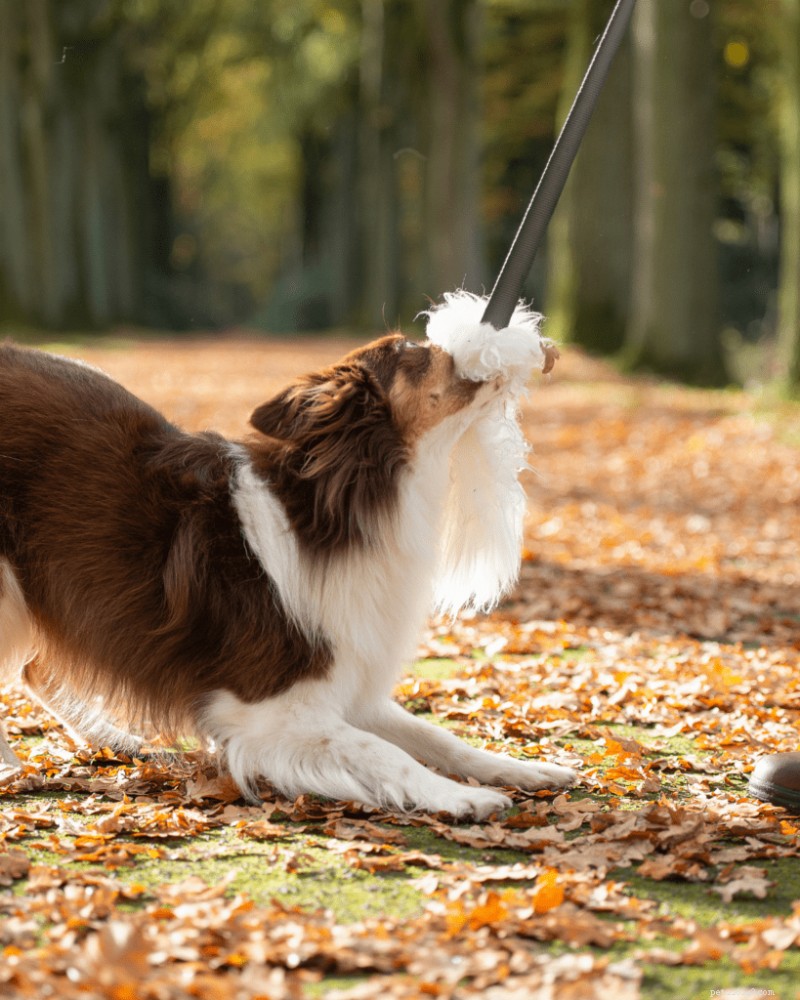
Keep your puppy mentally sharp with puzzle toys, snuffle mats, Kongs, or tug games. Tailor enrichment to your dog’s preferences.
- Start with short sessions and gradually increase duration.
- DIY toys work just as well as store‑bought ones.
9. Include Yourself
Make the routine realistic for your own schedule. Align potty breaks with your daily tasks (e.g., after picking up the kids) to avoid missing meals or sleep.
10. Build in Flexibility
Leave a buffer of 10‑15 minutes between activities. This prevents rushed transitions and ensures nap times aren’t compromised.
Sample Daily Schedule
Morning (7‑8 am): Leash on, quick potty, breakfast, fresh water, short walk/play, then a nap.
Mid‑morning (10‑11 am): Potty break, brief enrichment (puzzle toy), nap.
Lunchtime (12‑1 pm): Second meal, water, potty, short walk or socialisation, nap.
Afternoon (3‑4 pm): Potty, light play or training, nap.
Evening (6‑7 pm): Light dinner, calm play, final potty, winding‑down routine.
Night (9‑10 pm): Last potty, settle in crate, lights out.
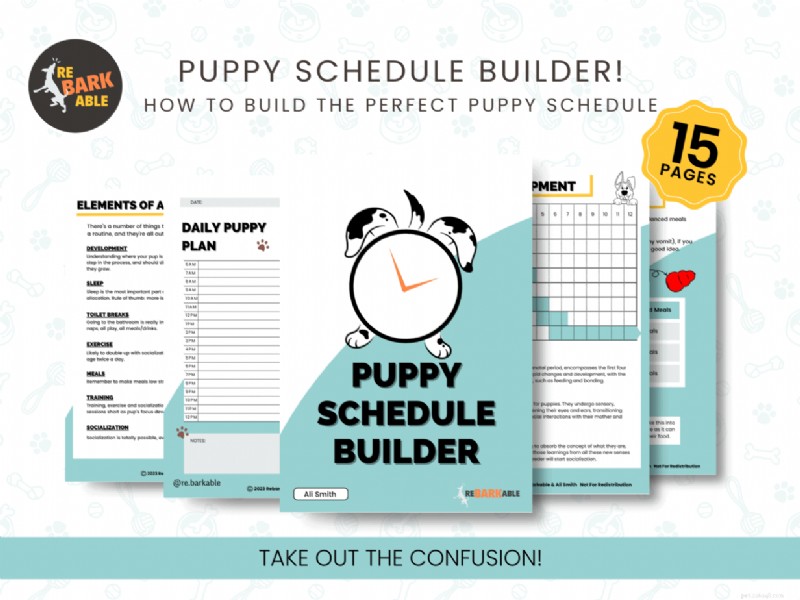
Download a printable version of this schedule to customise for your puppy’s breed, age, and your lifestyle.
Working All Day?
If you’re away most of the day, a trusted dog walker or sitter can provide water, a quick potty break, and a short play session. This keeps the routine intact without you being present.
Make the Routine Yours
There is no one‑size‑fits‑all schedule. Adjust the timings, activities, and intensity to match your puppy’s breed, energy level, and your daily life. The most important element is consistent, sufficient sleep.
Looking for a week‑by‑week guide? Check out Pupdates for a comprehensive puppy‑care plan.
About the Author
Ali Smith is a multi‑award‑winning trainer and founder of rebarkable. She promotes force‑free, kindness‑based training and strives to make reliable dog‑care information accessible to all guardians. Ali lives in Maryland, USA, with her husband and three dogs.
- Pet Behavior
- Pet Breeds
- Pet Names
- Pet Adoption
- Pet Training
- Pet Information
- Pet Health
- Adorable Pets
- Dogs
- 10 Proven Birdcage Cleaning Hacks – #2 Is a Game Changer
- Kennel Cough (Canine Pertussis): Symptoms, Prevention & Treatment
- 13 Remarkably Unique Dog Breeds You’ll Love – Photos Inside
- Brazilian Black Tarantula (Grammostola pulchra) Care Guide: Feeding, Housing & Health
- 6 Proven Strategies to Protect Your Furniture from Cat Scratching
- Why Declawing Your Cat Is Harmful: 5 Key Reasons
- How Long Do Horses Live? The True Average Lifespan of Horses Explained