

Why Does My Puppy Growl While Playing? Expert Trainer Explains
When puppies play, they often make a low growl. This sound isn’t always a warning—sometimes it’s simply part of their play‑language. In this guide, we’ll explain why puppies growl during play, how to tell a playful growl from an aggressive one, and what you can do to respond appropriately.
How to Tell If a Growl Is Playful or Aggressive
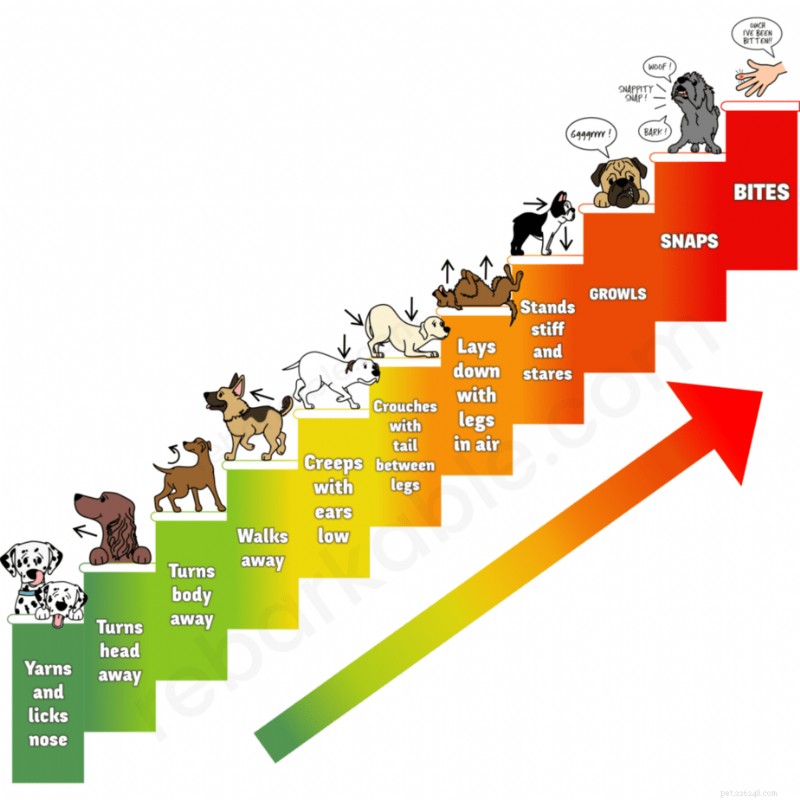
Distinguishing a friendly growl from a threatening one can be tricky, but a few visual cues make it easier.
- Body posture: A playful pup will have a relaxed stance, loose muscles, and a wagging tail. An aggressive dog is usually tense, may show teeth, and has a stiff, rigid posture.
- Context: Play growls occur during activities like chasing, wrestling, or gentle tug‑of‑war. Aggressive growls happen when the dog feels threatened—such as when a stranger approaches, during a resource‑guarding moment, or in an unfamiliar environment.
- Tone: Playful growls are higher‑pitched, louder, and have a warmer quality. Aggressive growls are deeper, guttural, and sound more ominous.
If you’re ever unsure, consult a professional trainer or behaviorist. Early guidance can prevent fear‑based issues from developing.
Growling as a Form of Communication
Puppies use growls to convey needs, attract attention, or express uncertainty. Common reasons include:
- Wanting a toy, treat, or your attention.
- Signaling “back off” when play gets too rough.
- Reacting to new or frightening stimuli—strangers, other dogs on leash, fireworks, or noisy appliances.
When you hear a growl rooted in fear or confusion, give your puppy space and let him settle before re‑approaching.
Growling During Playtime
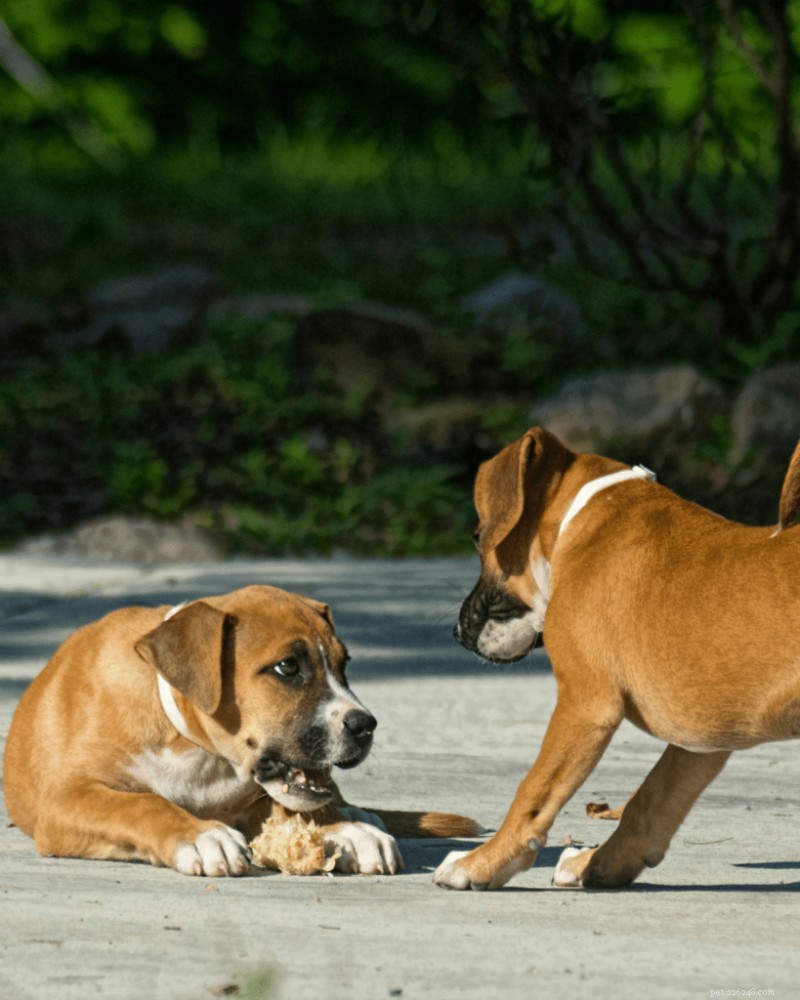
Play is a puppy’s way of practicing life‑skills such as bite inhibition, social cues, and hunting tactics. A brief growl is a normal part of that rehearsal. Whether at the dog park or in your living room, a short, upbeat growl usually means “I’m having fun—keep going!”
How to Respond to a Play Growl
First, pause the activity. This isn’t a punishment; it’s a moment to read your puppy’s signals. By briefly stopping, you give the pup a chance to reset and you demonstrate that you respect his boundaries.
Preventing Escalation
Understanding why your puppy growls helps you avoid escalation. If the growl is a sign of overstimulation, redirect the play to a calmer activity or give a short break. When in doubt, seek advice from a qualified dog trainer.
Never Punish a Growl
Punishing a growl teaches a puppy to suppress an important warning signal, which can lead to more serious aggression later. Instead, focus on reading the underlying need and addressing it—whether that’s more space, a different toy, or a calm environment.
Key Takeaways
- Play growls are normal and usually indicate excitement.
- Watch body language, context, and tone to differentiate from aggression.
- Pause play briefly to acknowledge the signal, then resume once the pup is calm.
- Never punish a growl; instead, address the cause and reinforce positive communication.
Need personalized help? Book a session with a certified trainer today.
About the Author
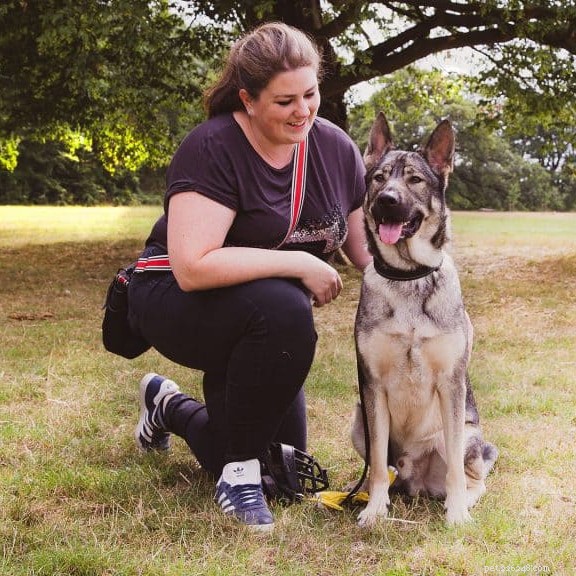
Ali Smith is a multi‑award‑winning, force‑free trainer and founder of rebarkable. Based in Maryland, USA, she believes that every dog guardian deserves clear, compassionate guidance to build a lifelong, trust‑based relationship with their pet.
- Pet Behavior
- Pet Breeds
- Pet Names
- Pet Adoption
- Pet Training
- Pet Information
- Pet Health
- Adorable Pets
- Dogs
- Introducing Max: 9-Month-Old Intern Ready to Climb the Corporate Ladder
- How to Use Apple Cider Vinegar in Water to Relieve Your Dog's Itchy Skin
- Rare Transformation: How a Female Chicken Became a Rooster
- 5 Proven Steps to Keep Your Dog Fit & Healthy
- 21 Heartwarming Pet GIFs to Brighten Your Day
- Samoyed (Sammie) Dog Breed Profile: Traits, Care, and Training Guide
- 300 Elegant Names for Female Cats – A Complete Guide