

Dr. Krista Halling: Expert Guidance on Dog Mobility, IVDD, and Safe Outdoor Adventures
Running DJANGO lets us meet people who help dogs live fuller, healthier, adventure‑filled lives alongside their humans.
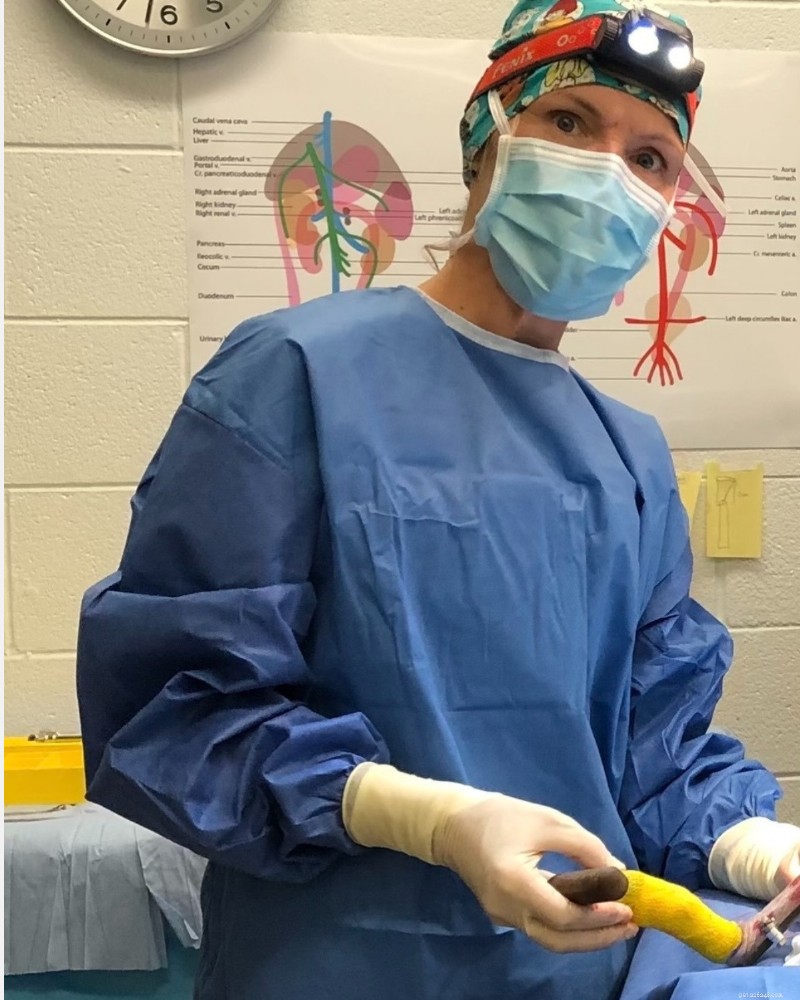
Dr. Krista Halling is one of those experts. She is a board‑certified veterinary surgeon, canine rehabilitation practitioner, outdoor adventurer, gear reviewer, and founder of Dogpacking.com. With more than 25 years in veterinary surgery and rehabilitation, she has helped thousands of dogs with orthopedic, spinal and mobility challenges.
What makes Dr. Krista’s perspective especially valuable is her ability to blend scientific knowledge with real‑world experience. She understands canine anatomy, biomechanics, injury, and rehabilitation, and she spends extensive time outdoors with her own dog, River, testing gear on trails and everyday outings.
Our conversation is personal: our long‑haired dachshund Django suffered stage 4 Intervertebral Disc Disease (IVDD) and underwent spinal surgery in 2022. That experience makes questions about back health, mobility, and supportive gear especially meaningful for us.
Meet Dr. Krista Halling
Dr. Krista, thank you for joining us! Could you share a brief background and what inspired Dogpacking.com?
I'm Krista Halling, a veterinary surgeon and founder of Dogpacking.com. Research shows intentional time outdoors benefits the physical and mental well‑being of both dogs and people. Over my 25‑year career I’ve helped thousands of dogs with mobility, orthopedic and spinal issues, and I saw how outdoor activity deepens the human‑dog bond. Dogpacking.com grew from a desire to help owners enjoy safe, meaningful adventures with their dogs.
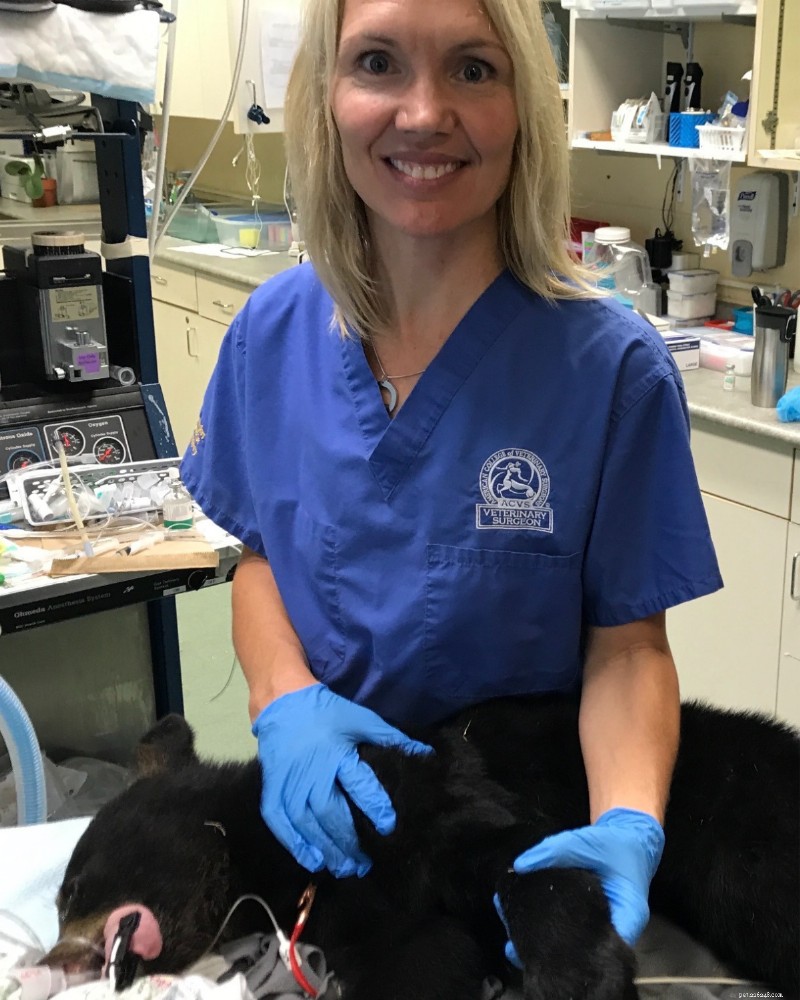
My background blends four lenses:
- Veterinary surgery: I know how a dog’s body moves, what can go wrong, and the requirements for a healthy musculoskeletal and nervous system.
- Rehabilitation: I see how appropriate exercise restores function, builds strength and balance, and keeps dogs active throughout life.
- Scientific training: I can separate evidence from opinion and translate research into practical advice.
- Outdoor testing: Gear must work not only in theory but on real trails, campgrounds and everyday outings.
All of this is filtered through one question: “Does this help dogs enjoy richer, healthier, and safer lives alongside the people who love them?”
Mission of Dogpacking.com
Dogpacking means intentional shared outdoor time with your dog—whether it’s a neighborhood walk, a hike, a paddle, a bike ride, or a camping trip. The distance doesn’t matter; what matters is being present and moving together.
My core message: movement is medicine, but it must be appropriate for the dog’s breed, age, and fitness level. Even modest, mindful outings strengthen the bond and improve health.
Recognizing Pain and Protecting Mobility
Common orthopedic conditions I see include cranial cruciate ligament (CCL) rupture, hip dysplasia, patellar luxation, elbow dysplasia and, of course, IVDD. Many of these are degenerative and become more likely with age or excess weight.
Early signs of pain or weakness are often subtle:
- Reluctance to move or jump
- Taking longer to stand up
- Hesitation before climbing stairs or entering the car
- Slower pace on familiar walks or frequent stumbling
- Hunched posture, scuffing feet, or reduced willingness to engage in favorite activities
A painful dog avoids movement; a weak dog tries but can’t succeed. When you notice any “off” behavior, a veterinary check is wise—early diagnosis can prevent a small problem from becoming a major one.
Preventive care focuses on keeping dogs lean and providing balanced exercise that addresses the five fitness pillars: strength, endurance, balance/proprioception, flexibility, and mental enrichment.
IVDD, Dachshunds, and Back Health
IVDD is the degeneration of the cushioning discs between the vertebrae. When a disc weakens, material can protrude into the spinal canal, compressing the spinal cord and causing pain or neurological deficits.
Breeds predisposed to IVDD are typically chondrodystrophic—short‑legged, long‑backed dogs such as dachshunds, bulldogs, Pekingese, corgis and basset hounds. Other spinal issues include wobbler syndrome in Dobermans and lumbosacral disease or degenerative myelopathy in German Shepherds.
Early warning signs of back or neck pain include:
- Reluctance to move or stand
- Hunched back or stiff neck
- Yelping when picked up
- Scuffing feet or a wide stance
- Rapid progression to difficulty walking or paralysis
If you suspect IVDD, restrict movement immediately and contact a veterinarian or a 24‑hour emergency clinic. Do not allow running, jumping, or stair use while you wait for professional guidance.
Recovery typically involves strict activity restriction, followed by a gradual, veterinarian‑prescribed rehabilitation program that rebuilds strength and coordination.
Suspect IVDD or a spinal injury?
Restrict movement, keep the dog calm, and call your vet or an emergency animal hospital right away.
Arthritis, Senior Dogs, and Safe Movement
Osteoarthritis (OA) is the progressive loss of joint cartilage, most often caused by instability from conditions like CCL tears or hip dysplasia. Signs include stiffness after resting, lameness after exercise, and reduced joint range of motion.
Excess weight worsens OA both mechanically (more load on joints) and metabolically (fat cells promote inflammation). Maintaining a lean body condition is a cornerstone of prevention and treatment.
Key recommendations for senior or arthritic dogs:
- Confirm that any underlying orthopedic issue has been treated.
- Work with your vet to manage pain adequately.
- Implement the five fitness pillars, emphasizing low‑impact strength and balance work.
- Watch for signs of over‑exertion—fatigue, persistent stiffness, or pain after a session.
Movement should be adapted, not eliminated. Short, controlled strength sessions followed by gradual increases in speed or distance keep dogs fit without overloading joints.
Dog Adventure Gear: What Actually Matters
When reviewing gear I start with two questions:
- Does the product interact safely and comfortably with the dog’s anatomy?
- Does it perform its intended function in real outdoor conditions?
Potential problems include chafing, restricted motion, overheating, or pressure points. Fit must be assessed while the dog is moving, not just standing still.
Choosing a Dog Backpack Carrier
Key features to look for:
- Appropriate size and weight tolerance—your dog should be able to turn around comfortably.
- Robust construction (stitching, zippers) and a hip belt for owner comfort.
- Excellent ventilation; overheating is a major risk, especially for brachycephalic or overweight dogs.
- Multiple entry/exit points for convenience and safety.
- Padded shoulder straps and breathable mesh backing for the human wearer.
From a veterinary perspective, a horizontal (dog‑lying) carrier is generally preferable to an upright one. Dogs are quadrupeds; prolonged upright posture taxes core muscles, keeps joints flexed, and limits the dog’s ability to shift weight. A horizontal carrier lets the dog sit, lie down, and change position, reducing strain and improving comfort.
Our review of the DjangoPack Dog Carrier Backpack highlighted its dog‑centric design: a supportive horizontal base, breathable mesh, multiple openings, padded straps, removable hip belt, and built‑in storage.
One Outdoor Risk Dogs Often Underestimate
Overheating. Dogs dissipate heat mainly by panting, so humidity, high temperature, obesity, and brachycephalic anatomy increase the risk of heat stroke. Plan outings for cooler times, carry water, provide shade breaks, and never judge a dog’s comfort by your own temperature.
Dog Harnesses vs. Collars
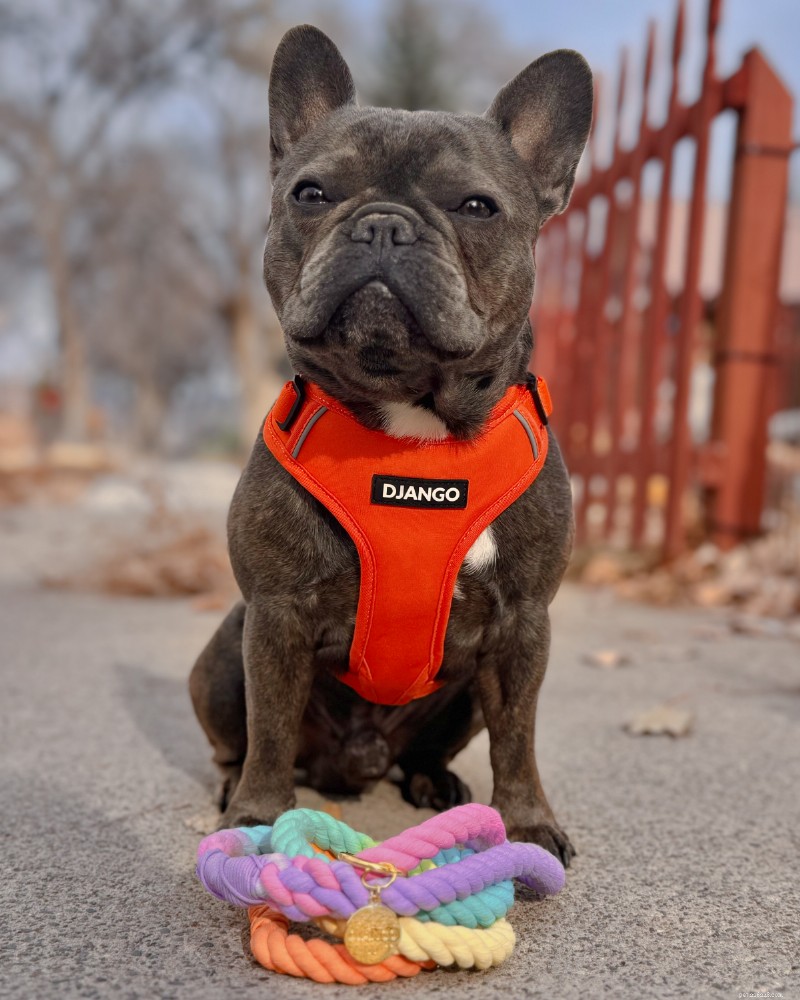
A well‑fitting harness should leave room for two fingers between strap and skin, avoid chafing, and allow natural shoulder movement. Y‑shaped harnesses are good for active dogs because they don’t restrict the front limbs.
Use a harness instead of a collar when the dog will be pulling (bike‑jogging, canicross), has a history of neck injury, or may need to be lifted or rescued on a trail.
Breeds that benefit most from a harness include those with neck issues, brachycephalic dogs, and dogs that need mobility assistance.
The Human‑Animal Bond and Meaningful Outdoor Life
Shared outdoor experiences let us be fully present with our dogs, free from screens and schedules. Dogs gain agency—the freedom to sniff, set pace, and explore—which builds confidence and deepens the bond.
Scientific evidence shows that nature and physical activity improve mental and physical health for both species. The most meaningful moments often happen on a simple walk close to home.
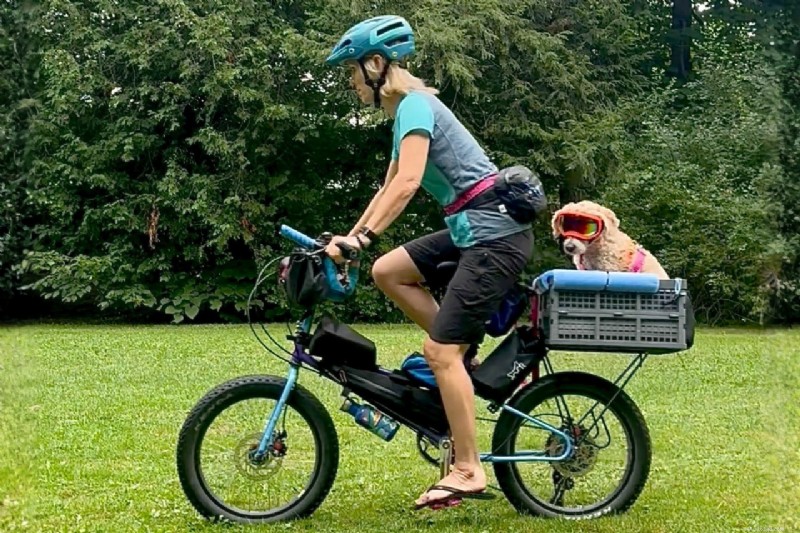
A successful adventure isn’t measured by distance; it’s when both owner and dog return home a little happier and a little closer.
One Final Piece of Advice
Before heading out, consider your dog’s current fitness, the weather, terrain, and choose an activity that matches their ability. Then just start—grab a leash, water, and explore a nearby trail. You’ll learn quickly what works for you and your dog.
Meet River, the Mini Goldendoodle
River is my fluffy sidekick—tiny goldendoodle with huge “airplane‑wing” ears. She loves meeting people, fetch, paddle‑boarding, kayaking, and long‑distance cycling with our folding bike.
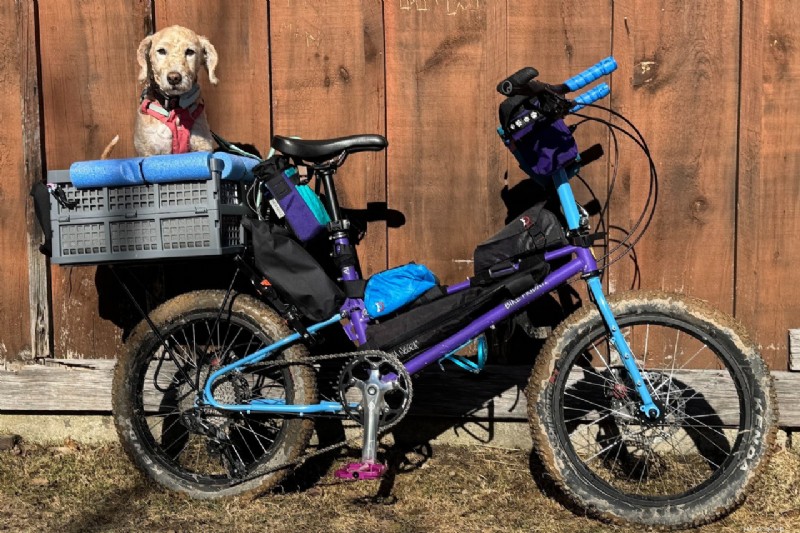
Follow our adventures on Dogpacking.com, Instagram @dogpacking_com, and YouTube @dogpacking_TV. Feel free to reach out for advice or one‑on‑one consulting.
Thank You, Dr. Krista!
We appreciate your time, expertise, and thoughtful approach to helping dogs enjoy safe, enriching outdoor lives.
- Pet Behavior
- Pet Breeds
- Pet Names
- Pet Adoption
- Pet Training
- Pet Information
- Pet Health
- Adorable Pets
- Dogs
- Cat Urinary Tract Infections: Signs, Symptoms & How to Help Your Feline
- ID Tags & Microchipping: 2 Proven Methods to Protect Your Pet
- Optimal Timing for Spaying/Neutering: How Breed, Size, and Age Impact Long‑Term Health
- Veterinary Guide: Spotting Healthy Dog Poop to Detect Health Issues
- Understanding Why Your Dog Dries and Drinks Excessively: Common Causes Explained
- Understanding Why Your Cat Scoots Across the Floor: Causes and Solutions
- Fiddle Leaf Figs & Cats: Toxicity, Symptoms, and Safety Tips