

New World Screwworm: Re‑Emergence in the United States and What Pet Owners Need to Know
Screwworm is the larval stage of the New World screwworm fly (Cochliomyia hominivorax), a parasite that deposits eggs in wounds and whose maggots feed on living tissue. The United States and Mexico celebrated the eradication of this parasite by the early 1980s after a coordinated effort involving the USDA, Mexico’s CPA, and several Central American nations (Vargas‑Terán 2021). Recent detections in the southern United States, however, indicate that the threat has returned.
Federal and state animal‑health officials have responded with quarantines, intensified surveillance, and renewed sterile‑fly releases to prevent permanent re‑establishment. This guide explains how infestations occur, which animals are at risk, warning signs, diagnostic and treatment procedures, why the parasite resurfaced, and practical steps owners can take.
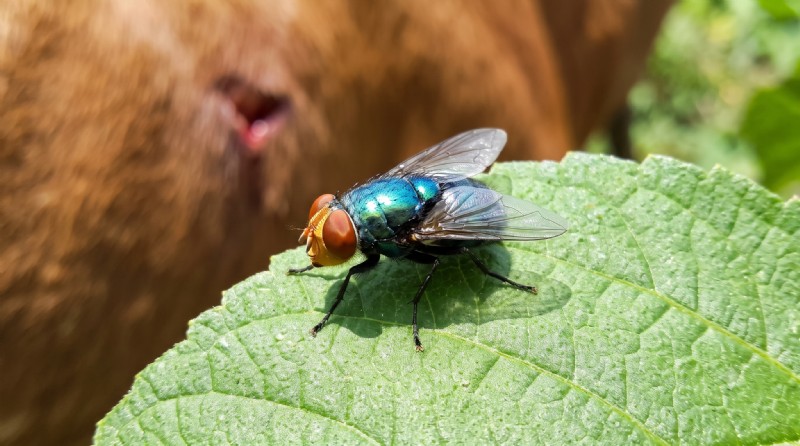
Why Screwworm Is a Serious Threat
A single female can lay up to 300 eggs on a tiny wound. Within 24 hours the eggs hatch, and dozens of larvae begin consuming living flesh. The resulting wounds bleed, become infected, emit a foul odor, attract more flies, and can lead to severe tissue loss. If untreated, the infestation can kill an animal within days.
Animals Susceptible to Infestation
Although cattle are the most commonly mentioned host, the parasite can affect a wide range of species:
- Dogs and cats
- Horses, cattle, sheep, goats
- Deer, other wildlife, and zoo animals
- Occasionally humans with untreated wounds
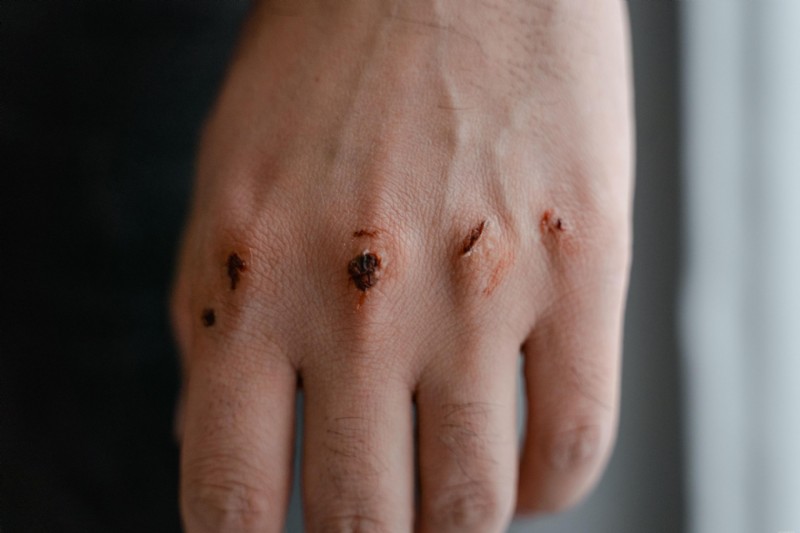
Why Companion Animals Are Particularly Vulnerable
Outdoor dogs frequently sustain cuts, nail tears, tick bites, hot spots, or post‑surgical wounds—perfect sites for a screwworm fly to deposit eggs. Hunting, ranch, and stray dogs face the highest risk. Outdoor‑only cats can also be exposed, especially if they sustain bite wounds or develop abscesses.

Warning Signs in Dogs and Cats
Infestations often begin with a seemingly minor wound that rapidly enlarges. Owners should watch for:
- Increasing wound size with bloody or foul‑smelling discharge
- Constant licking, chewing, or head shaking
- Swelling, restlessness, loss of appetite, or depression
- Visible movement or white larvae inside the wound
These signs constitute a veterinary emergency.
Diagnosis
Veterinarians perform a thorough physical exam, collect any larvae, and submit them for laboratory identification. Because several fly species can cause maggot infestations, accurate identification is essential. Suspected cases should be reported promptly to state or federal animal‑health officials (APHIS USDA 2026).
Treatment Protocol
Effective treatment requires both mechanical and pharmacological measures:
- Complete removal of every larva (often under sedation or anesthesia)
- Extensive wound cleaning and debridement
- Systemic antibiotics for secondary bacterial infections
- Pain relief and anti‑inflammatory drugs
- Topical insecticides or larvicides as adjunct therapy
- Bandaging and diligent follow‑up care
FDA‑approved products include Nitenpyram tablets for dogs and cats, and Dectomax injectable for cattle (FDA 2026). Missing even a few larvae can allow the infestation to persist.

Why Early Intervention Is Critical
New World screwworm larvae feed for about seven days before dropping to the ground to pupate. Each additional day results in more tissue destruction. Prompt veterinary care reduces pain, prevents secondary infections, preserves healthy tissue, and can save the animal’s life.
How the Parasite Returned
The Sterile Insect Technique (SIT) – mass‑rearing, radiation‑sterilizing, and releasing male flies – eliminated the pest from the United States by 1966 and from most of Mexico and Central America by 2006. However, populations persisted in South America and the Caribbean. In 2023 the fly re‑emerged in Central America, and on 3 June 2026 larvae were detected in Texas, prompting renewed SIT releases and intensive surveillance.

Why the Return Is Concerning
Screwworm threatens not only individual pets but also livestock operations, wildlife rehabilitation centers, zoos, veterinary hospitals, and animal shelters. Adult flies can travel long distances, and wild hosts can carry infestations unnoticed, making containment difficult once the parasite establishes. A single confirmed case triggers investigations, quarantines, and heightened monitoring to protect food production and prevent millions of dollars in losses.

Recent Dog Cases
While early U.S. detections involved cattle, recent confirmations include dogs with untreated wounds or post‑surgical sites in affected regions. These cases underscore that companion animals are not exempt from risk.
Prevention Strategies for Pet Owners
Practical steps to reduce exposure:
- Inspect pets daily for cuts, scratches, or bites.
- Clean and protect any wound immediately.
- Seek veterinary care promptly if a wound fails to heal normally.
- Maintain up‑to‑date parasite‑prevention products.
- Avoid letting pets with open wounds roam in areas where screwworm has been reported.
- Monitor surgical sites closely during the recovery period.
While no single measure offers complete protection, diligent wound care and regular veterinary check‑ups dramatically lower the risk of a serious infestation (APHIS USDA 2026).
References
APHIS USDA website June 2026 https://www.aphis.usda.gov/livestock-poultry-disease/cattle/ticks/screwworm
CDC website July 2026 https://www.cdc.gov/new-world-screwworm/about/
FDA website June 2024 https://www.fda.gov/animal-veterinary/safety-health/new-world-screwworm-information-veterinarians
USDA website February 2026 https://www.usda.gov/about-usda/news/press-releases/2026/02/09/usda-announces-completion-sterile-fly-dispersal-facility-texas
Valdez‑Espinoza, U. M., et al. (2025). The reemergence of the New World screwworm and its potential distribution in North America. Scientific Reports, 15(1), 23819.
Vargas‑Terán, M., et al. (2021). Impact of screwworm eradication programmes using the sterile insect technique. In Sterile insect technique (pp. 949‑978). CRC Press.
- Pet Behavior
- Pet Breeds
- Pet Names
- Pet Adoption
- Pet Training
- Pet Information
- Pet Health
- Adorable Pets
- Dogs
- 12 Floppy‑Eared Dogs That Will Capture Your Heart
- Top Puppy Shampoos: Expert Guide to Safe, Effective Bathing
- Securely Holding Your Pet Bird: A Step‑by‑Step Guide
- Dwarf Rabbit Lifespan: Average, Max, and Care Tips
- Can Dogs Sense Your Grief? How Pets Recognize Emotional Loss
- Montana Cat Revived After Freezing, Returns with Eight Lives
- Meet Tristan: The Heartwarming Floppycat of the Week