

Feline Leukemia Virus (FeLV): Comprehensive Guide for Cat Owners
Feline Leukemia Virus (FeLV) is one of the most serious infectious diseases affecting cats worldwide. Early testing, vaccination, and supportive care can dramatically improve a cat’s prognosis.
While FeLV is a lifelong infection, many cats live happy, comfortable lives with proper management.
This guide covers how FeLV spreads, signs to watch for, diagnosis, treatment options, prevention, and caring for an FeLV‑positive cat.
What Is FeLV?
FeLV is a retrovirus that weakens the immune system, making cats prone to secondary infections, anemia, and certain cancers. It integrates into the cat’s DNA and can remain for life. FeLV is distinct from feline immunodeficiency virus (FIV); it is generally more aggressive and more closely linked to cancer (Bruyette, 2020).
The virus affects only cats—humans, dogs, and other animals cannot contract it.
How Common Is FeLV?
Testing and vaccination have lowered prevalence, especially among indoor cats. However, FeLV remains a major concern in shelters, rescue groups, and outdoor cat colonies.
Higher‑risk cats include:
- Outdoor, stray, or feral cats
- Multi‑cat households
- Kittens born to infected mothers
- Cats with unknown vaccination histories
- Young cats with immature immune systems
Transmission Routes
FeLV spreads mainly through close contact. The virus is present in saliva, nasal secretions, urine, feces, and milk.
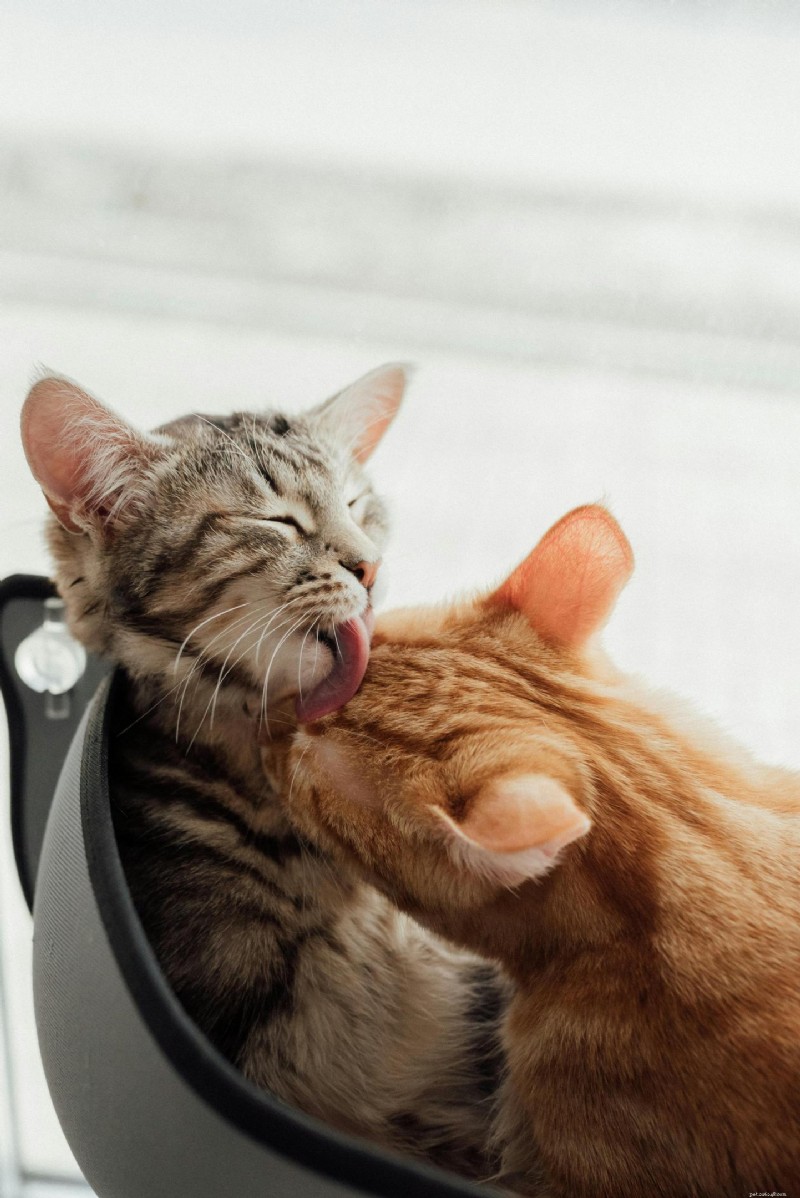
Mutual Grooming
Saliva exchange during grooming easily transmits the virus.
Bite Wounds
Fights, especially among outdoor cats, are a common route.
Shared Bowls and Litter Boxes
Sharing food, water, or litter boxes can spread the virus in tightly housed cats.
Mother‑to‑Kitten
Infected queens can pass FeLV to kittens during pregnancy or nursing.
Blood Transfusions
Rarely, contaminated blood can transmit FeLV.
The virus does not survive long outside the body, so casual environmental exposure is low risk.
What Happens After Infection?
Three outcomes are possible:
Abortive Infection
The cat clears the virus before it spreads; usually no clinical signs and the cat becomes immune.
Regressive Infection
The virus becomes dormant; the cat appears healthy but can reactivate under stress.
Progressive Infection
Active viral replication throughout the body; these cats are most likely to become ill and shed the virus.
Common Clinical Signs
Early infection often shows no signs. As disease progresses, cats may develop:
- Weight loss and poor appetite
- Fever and lethargy
- Pale gums
- Enlarged lymph nodes
- Persistent diarrhea
- Chronic respiratory or skin infections
- Poor coat condition
- Mouth inflammation
- Reproductive problems
- Behavioral changes
Because FeLV suppresses immunity, secondary infections are frequent and harder to treat (Bruyette, 2020).
FeLV‑Associated Cancers
FeLV dramatically increases the risk of lymphoma, leukemia, bone‑marrow disorders, and other immune‑related cancers. Affected cats often have shorter lifespans, sometimes only a few years after diagnosis.
Typical cancer‑related signs include vomiting, difficulty breathing, paralysis, and severe weight loss.
Diagnosis
Testing is essential because many cats are asymptomatic early on.
ELISA
Rapid in‑clinic test that detects FeLV antigens in the blood.
IFA
Indirect immunofluorescent antibody assay confirms ELISA results and checks for bone‑marrow involvement.
PCR
Polymerase chain reaction identifies viral DNA and can detect regressive infections.
Veterinarians usually recommend testing:
- Before introducing a new cat
- After adoption from a shelter
- Following known exposure
- Before vaccination
- If the cat shows unexplained illness
- For outdoor cats during routine exams
Treatment & Management
There is no cure for FeLV; treatment focuses on supportive care and preventing secondary problems.
- Antibiotics for bacterial infections
- Anti‑inflammatories for mouth, intestinal, or respiratory inflammation
- Fluids & nutritional support for dehydration or poor appetite
- Blood transfusions for severe anemia
- Chemotherapy for FeLV‑related lymphoma or leukemia
- Antiviral or immunomodulatory drugs (variable results)
Each cat requires an individualized plan created by a veterinarian.
Life Expectancy
Median survival after diagnosis is about 2.5 years, but many cats—especially those with abortive or regressive infections—live much longer with good care. Indoor living, prompt treatment of infections, optimal nutrition, and regular veterinary visits improve outcomes (Hoover & Mullins, 1991).
Caring for an FeLV‑Positive Cat
- Keep the cat indoors to limit exposure.
- Feed a high‑quality, balanced commercial diet; avoid raw diets that may harbor harmful bacteria.
- Schedule veterinary exams every six months.
- Minimize stress by maintaining a stable routine and providing safe hiding spots.
- Monitor for changes in appetite, weight, respiratory signs, vomiting, diarrhea, lethargy, or behavior.
Living with Other Cats
FeLV‑positive cats should ideally be housed with:
- Other FeLV‑positive cats, or
- FeLV‑negative, vaccinated cats that have a low risk of exposure.
Separate infected cats from healthy ones whenever possible; vaccination does not provide absolute protection.

FeLV Vaccination
The vaccine is a core recommendation for kittens and is strongly advised for:
- Outdoor cats
- Multi‑cat households
- Cats with unknown exposure histories
While no vaccine offers 100 % protection, it significantly reduces the risk of infection, especially in young cats.
Prevention Tips
- Test every new cat before bringing it home.
- Keep cats indoors.
- Vaccinate at‑risk cats.
- Avoid contact with stray or unknown cats.
- Maintain regular veterinary care.
FeLV in Kittens
Kittens are especially vulnerable; infection often leads to rapid progression, failure to thrive, recurrent respiratory disease, anemia, and weak immunity. Testing and vaccination are critical for all kittens, and pregnant queens should be screened before breeding.
Emotional Considerations
An FeLV diagnosis can be stressful for owners. Remember that many cats continue to enjoy a good quality of life. Support from veterinarians, rescue groups, and online communities can help owners navigate the challenges.
Common Myths
- FeLV is not contagious to humans.
- Not all FeLV‑positive cats die quickly; many live years with proper care.
- Indoor cats can still become infected via new pets or accidental outdoor exposure.
- Euthanasia is not mandatory; many cats thrive with compassionate care.
Adopting an FeLV‑Positive Cat
FeLV‑positive cats often face adoption barriers, yet they can make wonderful companions. Prospective adopters should consider veterinary costs, ability to separate cats if needed, long‑term commitment, and emotional readiness.
Research Advances
Ongoing studies aim to develop better antivirals, improved vaccines, immune‑based therapies, and more effective cancer treatments. While a cure is not yet available, research offers hope for future management (Hartmann et al., 2021).

When to Seek Immediate Veterinary Care
Contact your veterinarian right away if the cat shows any of the following:
- Difficulty breathing
- Severe lethargy or refusal to eat
- Persistent vomiting or diarrhea
- Rapid weight loss
- Pale gums
- Seizures or inability to walk
Prompt treatment can improve outcomes.
Final Thoughts
FeLV remains a serious disease, but awareness, testing, vaccination, indoor living, and early veterinary intervention have dramatically reduced its impact. With compassionate care, FeLV‑positive cats can enjoy long, happy lives alongside their families.

References
Bruyette, D. S. (2020). Feline leukemia virus. Clinical Small Animal Internal Medicine, 877‑881.
Cotter, S. M., Hardy, W. D., & Essex, M. (1975). Association of feline leukemia virus with lymphosarcoma and other disorders in the cat. JAVMA, 166(5), 449‑454.
Hartmann, K. (2011). Clinical aspects of feline immunodeficiency and feline leukemia virus infection. Veterinary Immunology and Immunopathology, 143(3‑4), 190‑201.
Hartmann, K., Hofmann‑Lehmann, R., & Sykes, J. E. (2021). Feline leukemia virus infection. In Greene’s Infectious Diseases of the Dog and Cat.
Hoover, E. A., & Mullins, J. I. (1991). Feline leukemia virus infection and diseases. JAVMA, 199(10), 1287‑1297.
- Pet Behavior
- Pet Breeds
- Pet Names
- Pet Adoption
- Pet Training
- Pet Information
- Pet Health
- Adorable Pets
- Dogs
- How Dogs Decode Your Emotions: Science Behind Their Intuitive Listening
- Is FaceTiming Your Pet Worth It? What You Need to Know
- Meet Holly: A 15-Year-Old Rescued Cat Seeking a Loving Home
- Turn Mealtime Into a Powerful Training Tool for Your Dog
- What Causes Cold Ears in Rabbits and How to Diagnose Illness
- Choosing the Right Bird Companion: A Comprehensive Guide to Bird Types Before Adoption
- Managing Your Cat's Loneliness: Expert Tips for a Healthy, Happy Feline