

Cataracts in Senior Dogs and Cats: Signs, Diagnosis, and Care
As pets age, they often experience lower energy, stiff joints, and dulled senses. One of the most noticeable age‑related changes is vision loss, and cataracts are a common culprit in senior dogs and cats.
Cataracts cause the lens to become cloudy or bluish, making it harder for pets to navigate familiar spaces. While the condition can be concerning, many animals continue to live comfortable, happy lives with proper management (Williams et al., 2004).
This guide explains what cataracts are, why they develop, how to recognize them, and what treatment options are available.
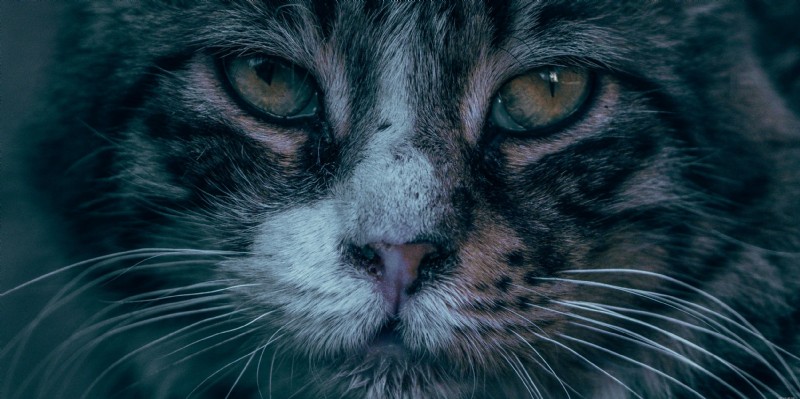
What Are Cataracts?
A cataract is a clouding of the eye’s lens, the clear structure that focuses light onto the retina. When the lens becomes opaque, vision ranges from mildly blurry to total blindness (Gould, 2002).
The cloudiness can appear as a small spot or gradually spread until the entire lens looks white, gray, or milky. Although cataracts are more frequently diagnosed in dogs, cats can develop them as well.
Not every hazy eye is a cataract. Senior pets may also develop nuclear sclerosis—a normal age‑related change that creates a bluish haze but usually does not impair vision. A veterinarian can differentiate the two during an eye exam.
Why Do Seniors Develop Cataracts?
Age is the primary risk factor, but several other conditions can accelerate lens clouding.
1. Normal Aging
With time, lens proteins break down and cells become damaged, reducing transparency. Nuclear sclerosis, a related change, often appears in dogs over six years old.
2. Diabetes
Elevated blood sugar forces excess glucose into the lens, triggering rapid cataract formation. Diabetic pets need close monitoring to manage both eye health and overall disease.
3. Genetics
Some breeds carry inherited predispositions, causing cataracts to appear early or progress faster.
4. Trauma
Eye injuries or inflammation can damage the lens and lead to cataract development.
5. Other Health Issues
Inflammation (e.g., anterior uveitis), infections, nutritional deficiencies, and autoimmune diseases can increase cataract risk. Corneal ulcers, dystrophy, and dry eye also cause cloudiness and require veterinary evaluation.
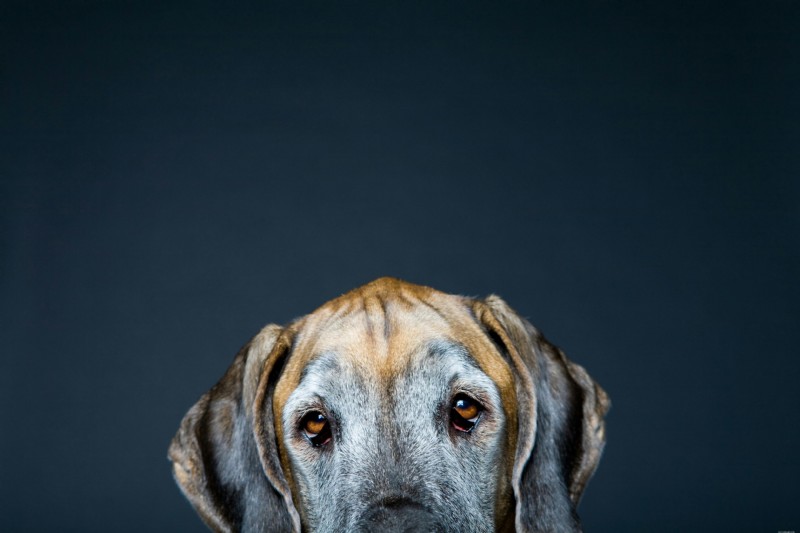
How to Recognize Cataracts
Pets cannot tell us when their vision declines, so owners must watch for behavioral clues. Common signs include:
Cloudy or Discolored Eyes
- White, gray, or milky spot in the pupil
- Overall hazy appearance of the lens
- Change in eye color or increased glare
Any visible change should prompt a veterinary exam.
Bumping Into Objects
Pets may walk into walls, furniture, or door frames, especially in dim light or unfamiliar rooms.
Difficulty Locating Food, Water, or Toys
Reduced vision often leads to reliance on smell and hearing.
Hesitation on Stairs or Uneven Surfaces
Older animals may become cautious when navigating steps or slippery floors.
Increased Startle Response
Sudden reactions to people or other animals entering the room can indicate they couldn’t see the approach.
Behavioral Changes
Some pets become less active or more withdrawn as vision worsens.
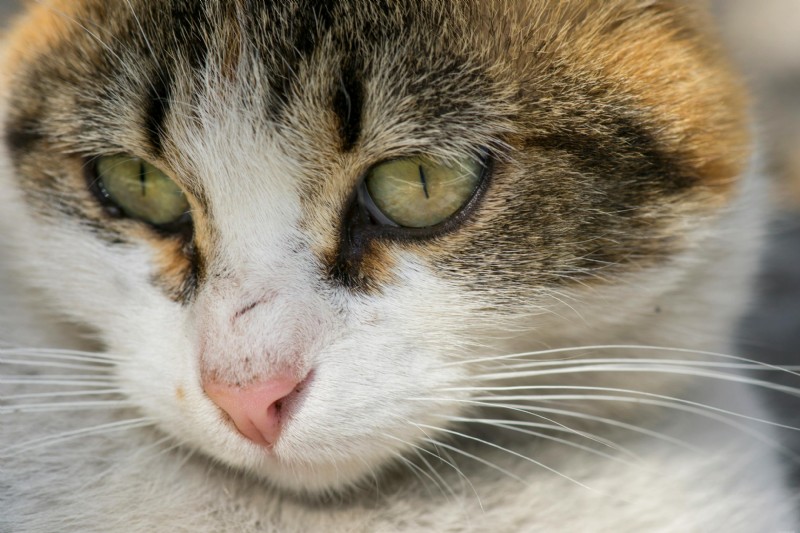
Diagnosis
Veterinarians diagnose cataracts during a comprehensive eye exam. The exam may include:
- Slit‑lamp or ophthalmoscopic evaluation of the lens and cornea
- Vision testing (e.g., obstacle navigation)
- Retinal assessment
- Intra‑ocular pressure measurement (to rule out glaucoma)
- Screening for inflammation or other ocular disease
Additional tests—such as blood work for diabetes or Schirmer tear testing for dry eye—may be ordered if an underlying condition is suspected.
Treatment Options
Monitoring Mild Cases
Small, non‑progressive cataracts often require only regular veterinary check‑ups. Many senior pets adapt well to gradual vision loss in familiar environments.
Surgical Removal
For cataracts that significantly impair vision, surgery is the standard treatment. The cloudy lens is removed and typically replaced with an artificial intra‑ocular lens, restoring useful sight in many animals.
Suitability for surgery depends on overall health, eye condition, anesthesia risk, and presence of other ocular diseases. A veterinary ophthalmologist usually performs the procedure.
Managing Underlying Causes
Addressing the root cause is essential. Examples include:
- Strict blood‑sugar control in diabetic pets
- Glaucoma treatment with eye drops, oral meds, or surgery
- Anti‑inflammatory drugs for uveitis
- Topical antibiotics and pain relief for corneal ulcers
- Lubricants and immunosuppressants for dry eye
Early intervention can prevent secondary complications such as increased intra‑ocular pressure or chronic inflammation.
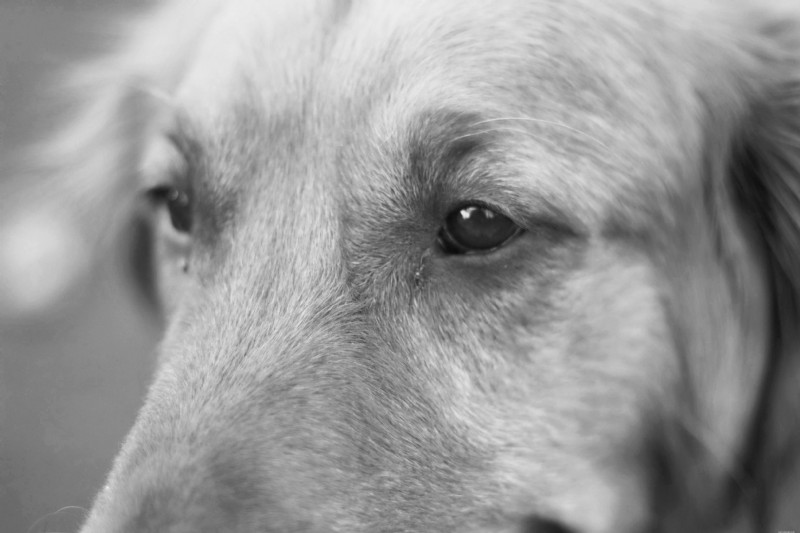
Living with a Vision‑Impaired Pet
Pets with cataracts or partial blindness can still enjoy a high quality of life. Simple home adjustments help them navigate safely.
Keep Furniture in the Same Place
Consistent layouts allow pets to form a mental map of their environment.
Use Verbal Cues
Talk to your pet before touching or moving them to avoid startling.
Add Safety Barriers
Install gates near stairs, pools, or other hazards.
Employ Different Textures
Rugs or mats can mark doorways, feeding areas, or other important zones.
Maintain a Routine
Predictable feeding, walking, and sleeping schedules provide comfort and confidence.
Do Cataracts Cause Pain?
Pure cataracts are generally painless, but associated conditions—such as uveitis, glaucoma, or corneal ulcers—can be painful and require immediate treatment. Watch for signs like squinting, redness, tearing, pawing at the eye, light sensitivity, or excessive blinking.
Preventing Cataracts
While age‑related cataracts cannot be fully prevented, good overall care supports eye health:
- Regular veterinary examinations
- Effective management of chronic diseases (e.g., diabetes)
- Balanced nutrition and healthy weight
- Protection from eye injuries (avoid letting dogs stick their heads out of car windows)
- Prompt attention to any changes in behavior or appearance
Early detection improves treatment outcomes and preserves quality of life.
Conclusion
Cataracts are a common part of aging for many pets, but they do not have to end an active life. With timely veterinary care, appropriate treatment, and a pet‑friendly home, senior dogs and cats can continue to thrive.
Remember: cloudy eyes are not always cataracts— they may signal corneal disease, inflammation, or pressure problems. Regular check‑ups and attentive observation are key to keeping your aging companion comfortable and safe.
References
Glaze, M. B. (2005). Congenital and hereditary ocular abnormalities in cats. Clinical techniques in small animal practice, 20(2), 74‑82.
Gould, D. (2002). Clinical assessment of cataracts in dogs. In Practice, 24(1), 28‑34.
Mancuso, L., & Hendrix, D. (2016). Cataracts in dogs. Clinicians Brief, 8, 79‑91.
Raghuvanshi, P. D. S., & Maiti, S. K. (2013). Canine cataracts and its management: An overview. Journal of Animal Research, 3(1), 17.
Williams, D. L., Heath, M. F., & Wallis, C. (2004). Prevalence of canine cataract: preliminary results of a cross‑sectional study. Veterinary ophthalmology, 7(1), 29‑35.
Woodham‑Davies, S. (2019). Cataract surgery in dogs. Veterinary Nursing Journal, 34(1), 12‑17.
- Pet Behavior
- Pet Breeds
- Pet Names
- Pet Adoption
- Pet Training
- Pet Information
- Pet Health
- Adorable Pets
- Dogs
- Stop the Chewing Chaos: Himalayan Cheese Sticks Work Wonders for Dogs
- Top 8 Fungal Infections in Dogs: Symptoms, Diagnosis, and Treatment
- Understanding and Managing Puppy Leash Aggression Toward Other Dogs
- Understanding Excessive Dog Drool: Causes, Concerns & Care Tips
- Do Dogs Truly Understand Cats? Insights into Their Communication
- Find the Perfect Scratching Post for Your Cat’s Unique Scratching Style
- What Do You Call a Group of Spiders? Exploring Spider Collective Nouns