

Why Your Dog Fears the Vet and How to Help
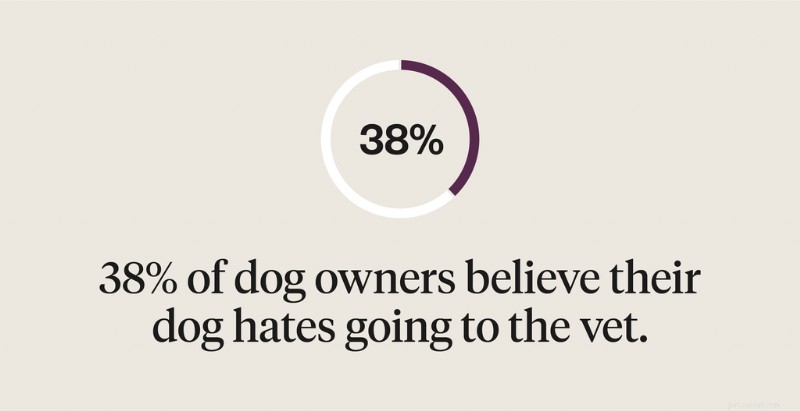
If your dog starts shaking, hiding, or growling the moment you pull into the clinic, you’re not doing anything wrong – and you’re definitely not alone. A 2019 study found that 38% of guardians believe their dog hates going to the vet.
Vet visits expose dogs to strange smells, unfamiliar hands, restraint, and sometimes needles – all in a place they only see a few times a year. The good news is that this fear is common, well‑understood, and completely treatable. This guide explains why dogs dread the vet, how to spot anxiety, practical preparation tips, training methods, and when medication or online vet care might be helpful.
Why does my dog hate going to the vet?
Most dogs aren’t scared of "the vet" as a concept. They react to a specific mix of unfamiliar sights, sounds, smells, and handling that makes the experience stressful. Common triggers include:
- Unfamiliar environment and smells. Exam rooms retain the scent trails of previous patients, which dogs detect instantly.
- Past negative experiences. A painful procedure or rough restraint can create a lasting association between the clinic and discomfort.
- Limited early socialization. Puppies that weren’t gradually accustomed to having paws, ears, or mouths touched often find routine handling invasive as adults.
- The exam table and restraint. Being lifted onto a slippery surface or held still removes a dog’s ability to escape, which is inherently stressful.
- Picking up on your nerves. Dogs read their owners’ body language; if you’re anxious, they often become anxious too.
The research
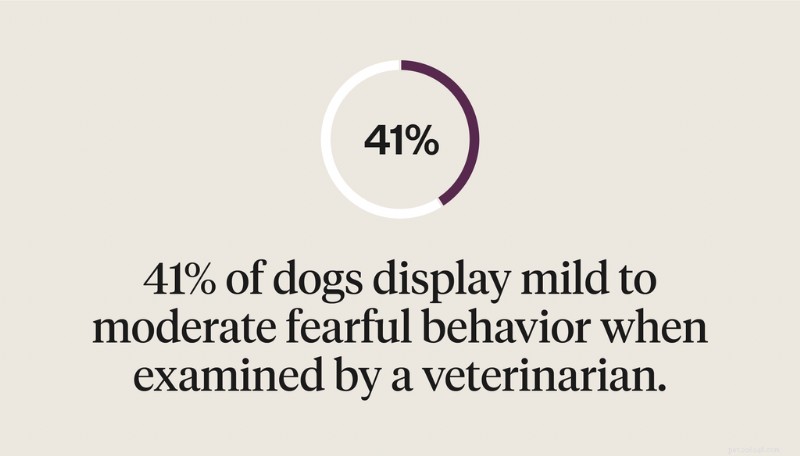
The same 2019 study reported that 41% of dogs showed mild‑to‑moderate fear during examinations, and 1 in 7 displayed extreme fear.
Working, breeding, or showing dogs tended to be less fearful, while companion animals were more likely to fear the unknown. Dogs obtained from friends, pet stores, shelters, rescues, or as strays showed higher fear scores than dogs bred by their guardians. Smaller dogs and single‑dog households also exhibited greater anxiety. Experienced guardians were less likely to have highly fearful dogs.
Physical and behavioral signs of anxiety at the vet
Anxious dogs show two kinds of cues: body language and overt behavior. Even a dog that seems "fine" may be quietly overwhelmed.
Physical signs
- Trembling or shaking
- Panting or drooling beyond what temperature or activity would explain
- Dilated pupils
- Tucked tail or low, stiff posture
- Yawning as a stress signal
- Pinned‑back ears
If shaking occurs outside the clinic, see our guide on dog trembling for other possible causes.
Behavioral signs
- Hiding behind you or backing into a corner
- Freezing or refusing to move
- Growling, lip‑licking, or snapping when approached
- Attempting to bolt out of the room
- "Whale eye" – showing the whites of the eyes while keeping the head turned away
Occasional nervousness is normal, but escalating or panic‑level reactions warrant a discussion with your vet about a possible referral to a veterinary behaviorist.
How can I calm my dog before a vet visit?
Small adjustments to preparation and travel can reduce stress before you even step through the door:
- Practice car rides. Take short, low‑stakes drives that don’t end at the clinic to break the association between the car and the vet.
- Reserve high‑value treats for vet trips. Use your dog’s favorite treat only during the car ride and waiting room.
- Bring a familiar scent. A blanket or toy that smells like home can be grounding in the carrier or on the exam table.
- Ask for a quiet appointment slot. Early‑morning or slower periods reduce waiting‑room chaos.
- Schedule a "happy visit." Some clinics allow a brief, no‑procedure drop‑by for a treat and a weigh‑in to build positive associations.
- Check if the clinic follows Fear Free practices. Fear Free certified clinics use handling, environment, and pacing techniques to minimize stress.
- Exercise your dog beforehand. A walk, play session, or mental enrichment can burn off excess nervous energy.
- Stay calm yourself. Your steady tone and relaxed body language signal safety to your dog.
If your dog is reactive during nail trims, a brief muzzle‑training session can provide an extra safety layer.
How do I train my dog to be less afraid of the vet?
Beyond one‑off prep, you can re‑condition your dog’s fear response using two proven methods: desensitization and counter‑conditioning. Gradually expose your dog to milder versions of vet experiences while pairing them with something they love, slowly replacing fear with calm.
At home, try these steps:
- Gently touch paws, ears, mouth, and belly for a second, then reward with a treat. Gradually increase duration as your dog stays relaxed.
- Practice standing on a wobbly surface (e.g., a yoga mat) to mimic the exam table, rewarding calm behavior.
- Introduce brief, gentle restraint and end the session before your dog shows signs of struggle.
- Reward calm greetings with unfamiliar people, simulating vet staff.
- Move at your dog’s pace – if they pull away, make the next step easier rather than harder.
Understanding situational anxiety & systematic desensitization
Fear of the vet is a form of situational anxiety: the dog reacts only in specific contexts (vet visit, fireworks, etc.). Common anxiety signs include inappropriate elimination, panting, excessive barking, pacing, restlessness, aggression, and cowering.
Systematic desensitization works by gradually increasing exposure to the fear‑inducing stimulus while the dog remains calm, using food, petting, or toys as positive reinforcement. It’s a slow process but has been proven effective for both people and pets.
Knowing your dog’s threshold is crucial – some dogs tolerate the clinic’s waiting area but become fearful once the vet begins handling. A structured training plan, like the one outlined in our anxiety‑dog training guide, can bridge the gap between home practice and the next appointment.
What medications can help with vet‑visit anxiety?
If preparation and training aren’t enough, a veterinarian can prescribe short‑term medication for visit days. Options include:
Prescription medications
- Trazodone – eases situational anxiety without heavy sedation.
- Gabapentin – provides anti‑anxiety effects plus mild sedation.
- Dexmedetomidine – short‑acting agent for single appointments.
Dosage and timing vary by weight, health history, and individual response, so always obtain medication directly from your vet and follow their instructions.
Over‑the‑counter and natural calming aids
- Dog‑appeasing pheromone sprays or diffusers (use in the car or carrier).
- Calming chews or supplements.
- Pressure wraps or anxiety vests.
Even OTC products can interact with prescription meds, so discuss any supplement with your vet before use.
When is online vet care a good alternative?
Tele‑vet visits are ideal when the stress of an in‑person appointment is the main barrier and no hands‑on exam or procedure is needed. Suitable scenarios include:
- Refilling an existing anxiety medication for a stable condition.
- Reviewing a desensitization or prep plan with a licensed vet before the next clinic visit.
- Non‑urgent behavior questions (e.g., whether a symptom warrants an in‑person exam).
- Follow‑up after an in‑clinic diagnosis or procedure.
Emergencies, vaccinations, bloodwork, imaging, dental work, or any hands‑on care still require an in‑person visit.
The bottom line
A dog that hates the vet isn’t a lost cause. By combining pre‑visit preparation, gradual desensitization training, appropriate medication, and—when feasible—online vet care, you can turn stressful trips into manageable experiences. If you’d like a personalized plan, Dutch’s licensed vets can help you choose the right mix for your dog.
- Pet Behavior
- Pet Breeds
- Pet Names
- Pet Adoption
- Pet Training
- Pet Information
- Pet Health
- Adorable Pets
- Dogs
- Why Dogs Eat Cat Feces: Causes, Risks, and Prevention
- Cat Breathing Trouble? Quick Guide to Common Causes & Care
- Tosa Dog Behavior: Patience, Courage, and Family Bond
- Homemade Peanut Butter Dog Treats: Simple, Safe, and Delicious
- Do Dogs Detect Smells Through Glass? Insights into Canine Olfactory Abilities
- Show Off the Ultimate Cat Tattoo: Stunning Designs & Meaning
- 24 Key Insights to Expect After Adopting a Shelter Pet