

How Often Should You Take Your Dog to the Vet? A Complete Guide by Age
Whether your dog is a newborn puppy or a senior companion, regular veterinary care is essential. Dogs can’t tell us when they’re hurting, and many illnesses develop silently. Routine exams let veterinarians catch problems early, when treatment is simpler and less costly.
Veterinary Schedule by Life Stage
Puppies (0‑6 months)
Puppies need frequent visits because their immune systems are still maturing and they must complete a series of core vaccinations.
- First exam at 6‑8 weeks, then every 3‑4 weeks until about 4 months.
- Core vaccines (DHPP: distemper, hepatitis, parainfluenza, parvovirus) given in a booster series.
- Rabies vaccine around 16 weeks (state‑required).
- Deworming, fecal screening, and start of flea, tick & heartworm prevention.
- Growth monitoring, congenital abnormality checks, and owner Q&A.
By 6 months most puppies are ready for spaying/neutering, with timing adjusted for breed and size.
"Puppies grow quickly, so subtle health issues can appear fast. Regular visits let us detect problems before they become lifelong," says Dr. Alyssa Rush, DVM.
Adult Dogs (1‑7 years)
Healthy adult dogs should have at least one wellness exam per year. Some breeds or lifestyles may benefit from semi‑annual visits.
- Full physical exam (heart, lungs, eyes, ears, skin).
- Due vaccine boosters.
- Dental assessment.
- Parasite screening (fecal test).
- Bloodwork or heartworm test as needed.
Use the exam to discuss any changes in appetite, energy, itching, or behavior.
Senior Dogs (Age varies by size)
Senior dogs generally need twice‑yearly exams because age‑related diseases become more common.
- Comprehensive blood panel (kidney, liver, thyroid).
- Urinalysis.
- Joint and mobility evaluation.
- Close monitoring of weight, thirst, and appetite.
- Dental cleaning and advanced imaging if indicated.
Small breeds are considered senior at 10‑12 years; medium to giant breeds often reach senior status at 5‑7 years.
"Regular senior wellness exams give us two chances a year to catch subtle changes early, improving both quality and length of life," adds Dr. Rush.
Pregnant Dogs
Pregnant dogs need close monitoring throughout gestation.
- Initial exam after pregnancy confirmation – ultrasound around day 25‑30.
- Follow‑up visits to track weight, check for complications, and plan nutrition.
- Late‑term X‑rays to estimate litter size and assess delivery risk.
- Immediate vet visit for loss of appetite, lethargy, or abnormal discharge.
When to See the Vet Immediately
These signs warrant a prompt call to your veterinarian:
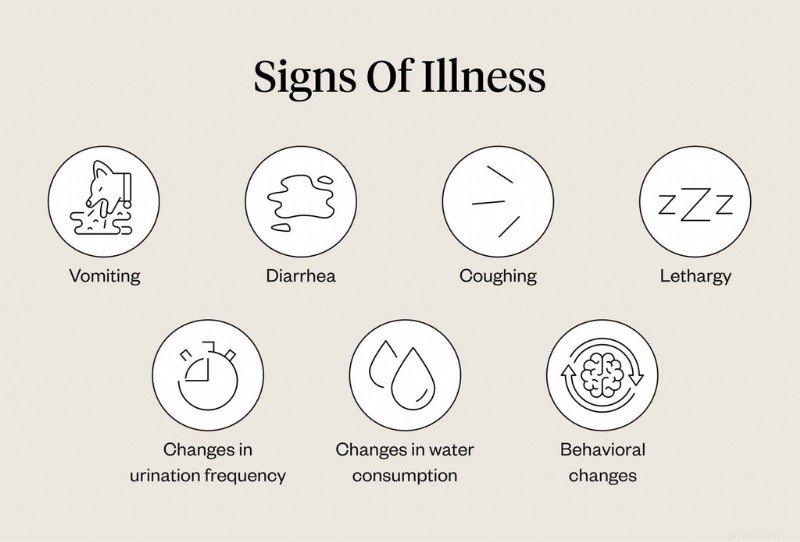
- Persistent vomiting or diarrhea.
- Continuous coughing.
- Lethargy or sudden loss of energy.
- Changes in food or water intake.
- Altered urination frequency.
- Sudden behavioral shifts.
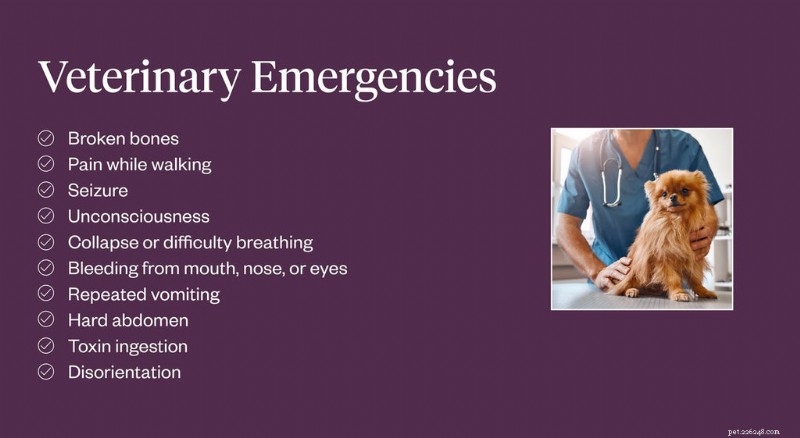
Emergency symptoms (call or go to an emergency clinic right away):
- Collapse, difficulty breathing, or unconsciousness.
- Seizures.
- Hard, distended abdomen.
- Repeated vomiting.
- Bleeding from mouth, nose, or eyes.
- Suspected broken bones or inability to bear weight.
- Known or suspected toxin ingestion.
If you’re unsure, a quick video consult can help determine whether an in‑person visit is needed.
Can You Skip a Year Without a Vet Visit?
Skipping a year is common—75 million pet parents reported delaying care due to cost or access (Dutch Vet Pet Care Gap Report). However, missing routine exams can let silent diseases progress and may leave your dog behind on vaccines or parasite prevention.
What Happens at a Routine Wellness Exam?
The vet performs a hands‑on physical exam (weight, teeth, eyes, ears, heart, lungs) and reviews any changes you’ve noticed. Depending on age and history, they may also run bloodwork, a fecal test, or a urinalysis, and administer any due vaccines. It’s an ideal time to ask about diet, exercise, or behavior.
Cost of a Vet Visit
Typical wellness exams range from $50 to $250, covering the exam and basic screenings. Vaccines, parasite preventives, and additional diagnostics add to the total. Emergency care is considerably more expensive.
Online Vet Care: A Complement, Not a Replacement
Virtual visits are great for prescription refills, symptom triage, behavioral advice, and follow‑up on chronic conditions. They cannot replace hands‑on procedures such as vaccinations, surgery, dental cleanings, imaging, or true emergencies.
Make Vet Visits Easier with Online Care
Combine in‑person exams with virtual consultations (e.g., Dutch Vet) to keep routine care on schedule and get timely answers between visits.

This article provides general information and does not replace personalized advice from your veterinarian.
- Pet Behavior
- Pet Breeds
- Pet Names
- Pet Adoption
- Pet Training
- Pet Information
- Pet Health
- Adorable Pets
- Dogs
- The Ultimate Evidence-Based Guide to Holistic Dog Health
- Do Kittens from the Same Litter Share the Same Father?
- Recognizing Pain-Related Anxiety in Dogs: 4 Key Symptoms to Watch
- Stop Your Dog’s Possessive Aggression: Proven Training Techniques
- Canine Distemper: Essential Guide for Dog Owners
- Are Bell Peppers Safe for Dogs? A Guide to Feeding Your Canine Healthy Peppers
- Avoid Using Head & Shoulders on Your Dog: Safe Alternatives for Healthy Skin